The Story
Why it exists.
The beginning
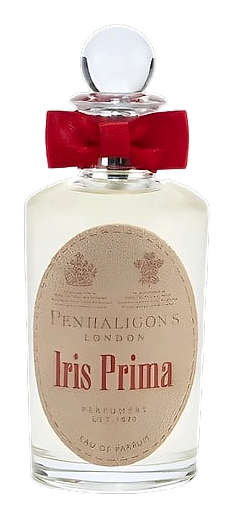
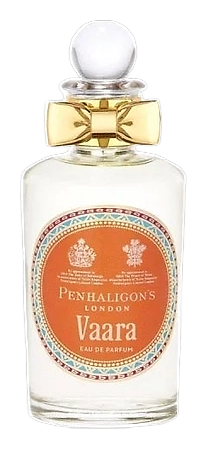
Penhaligon's, the storied London house founded in 1872, holds royal warrants and a legacy of timeless British elegance. Vaara arrived in 2013 as a creative challenge from perfumer Bertrand Duchaufour: to reimagine the house's iconic rose heritage through an unexpected fruit-spice lens.
Bertrand Duchaufour structured Vaara's opening to surprise: the quince and saffron create an unexpected tartness before the rose reveals itself. The heart relies on a careful balance of iris's powdery sophistication and magnolia's creamy freshness, preventing the rose from becoming predictable. The drydown grounds everything in woody warmth with honey and benzoin, creating a finish that feels both refined and genuinely warm.
The evolution
The fragrance begins with a tart, luminous burst of quince, its sweetness balanced by the green precision of carrot seed. Rose water adds a delicate floral dewiness while saffron introduces a subtle golden spice and coriander seed contributes a faint citrusy edge. As the opening settles, rose takes center stage supported by the powdery elegance of iris and the creamy freshness of magnolia, with peony and freesia softening the bouquet. The drydown wraps in sandalwood and cedarwood, their woody warmth cushioned by white musk and enriched by the honey-benzoin sweetness and tonka bean's faint creaminess.
Cultural impact
Since its 2013 debut, Vaara has become a favorite among fragrance enthusiasts who appreciate a sophisticated unisex rose that leans into fruit and spice, often mentioned alongside niche classics for its balanced elegance. Its launch coincided with a resurgence of interest in gender‑fluid scents, and it has been cited in several style publications as a benchmark for modern rose compositions, influencing subsequent releases from both niche and mainstream houses.