Character
The Story of Moroccan rose absolute
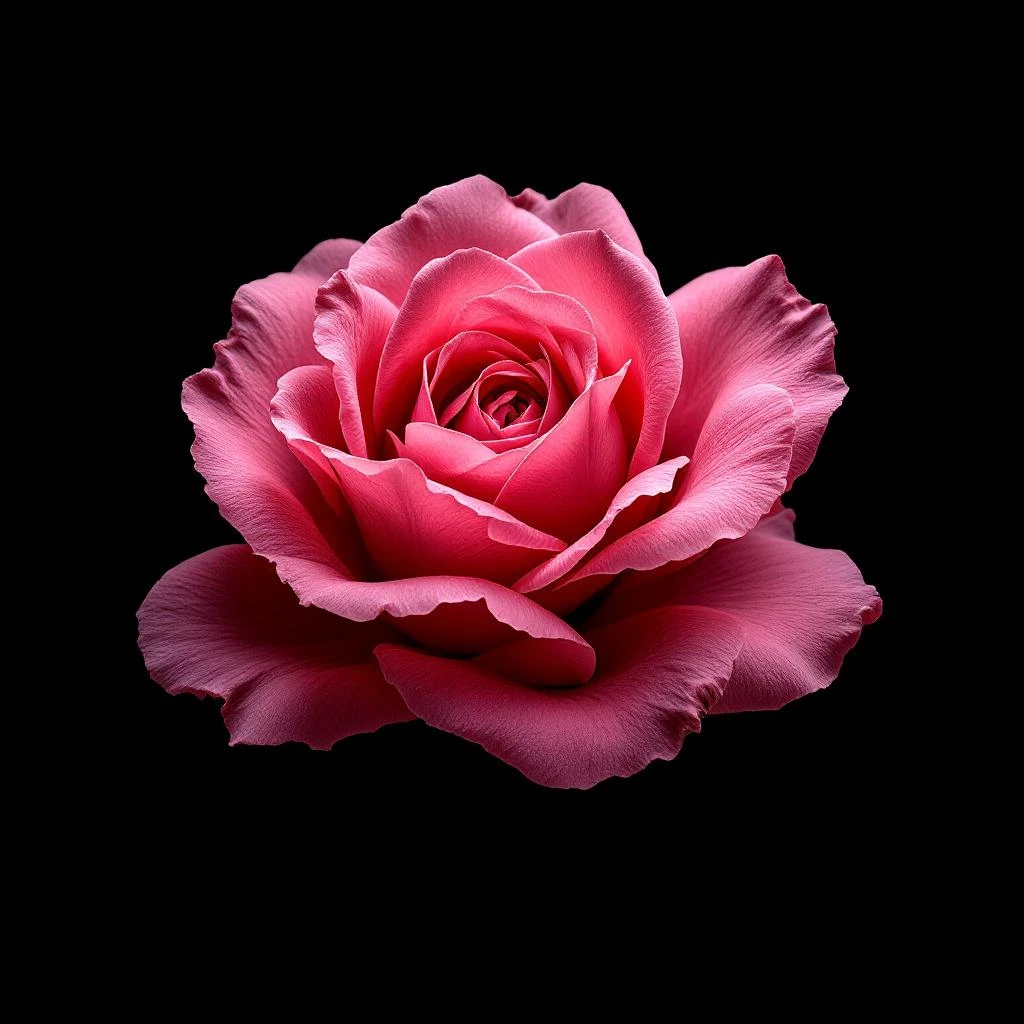
Moroccan rose absolute captures the luminous heart of Rosa centifolia, delivering a rich, velvety bloom that anchors fine perfumery with depth and elegance.
Heritage
Rose fragrance has threaded through human culture since antiquity. Ancient Persians cultivated Rosa damascena for ceremonial incense, while Egyptian tomb murals depict rose garlands as symbols of rebirth. Greeks and Romans pressed rose petals into oils for cosmetics and medicine, recording the scent’s calming effect. By the medieval period, rose gardens spread across the Mediterranean, and Moroccan growers began selecting Rosa centifolia for its abundant blooms. In the 19th century, French perfume houses sourced Moroccan roses to meet rising demand, noting the flower’s richer, more opulent profile compared with European varieties. The country’s climate, with cool nights and warm days, creates a unique balance of sugar and spice in the petals, a quality that modern perfumers still prize. Today, Moroccan rose absolute remains a cornerstone of luxury fragrance, linking modern artistry with centuries of botanical heritage.
At a Glance
4
Feature this note
Morocco
Primary source region
Ingredient Details
Solvent extraction
Flower petals
Did You Know
"Each kilogram of Moroccan rose petals yields only about 0.03 ml of absolute, making it one of the most concentrated floral extracts in the industry."