Rose Water
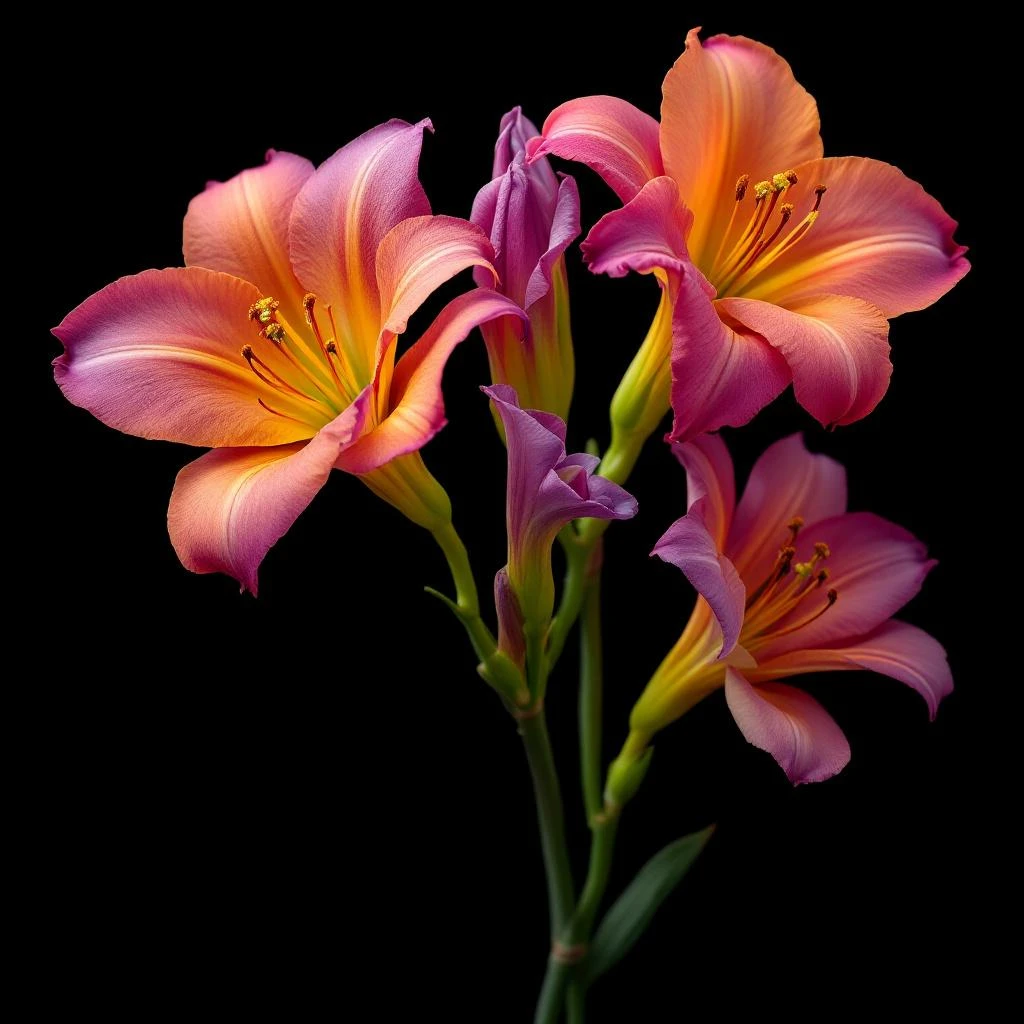
Rose water captures the ephemeral essence of rose petals through steam distillation. This fragrant hydrosol carries the rose's soul without the weight of absolutes, offering a fresh, dewy interpretation of one of perfumery's oldest and most cherished materials.

Character
How it smells
Steam-distilled rose essence in its purest, most delicate form.
It takes approximately 4,500 pounds of rose petals to produce just one pound of rose otto, but rose water flows freely from the same distillation process.







Origin
Iran (Ancient Persia)
The earliest documented use of rose water traces to ancient Persia around the 10th century, where Persian scholars and alchemists perfected distillation techniques. Ancient Egyptians had already been using rose essence for cosmetics and rituals centuries before, while Greeks and Romans scattered rose petals and infused their baths with rose-scented waters. The Indian city of Kannauj developed its own revered tradition of rose water production that continues today.
Medieval Arab physicians prescribed rose water for digestive ailments and skin conditions, and cooks throughout the Middle East began incorporating it into sweets, beverages, and savory dishes. This dual heritage as both remedy and flavoring agent has made rose water a bridge between perfumery, medicine, and cuisine for over a thousand years.
Wears it best
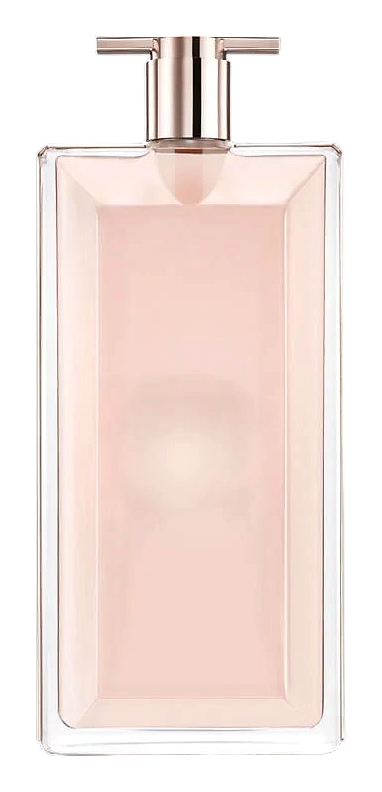
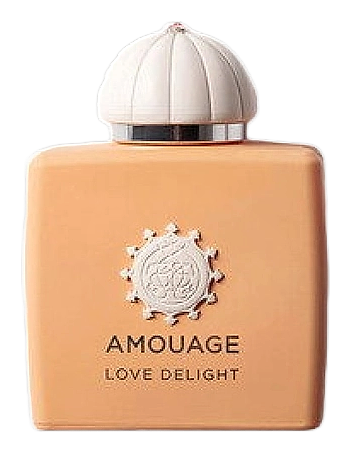
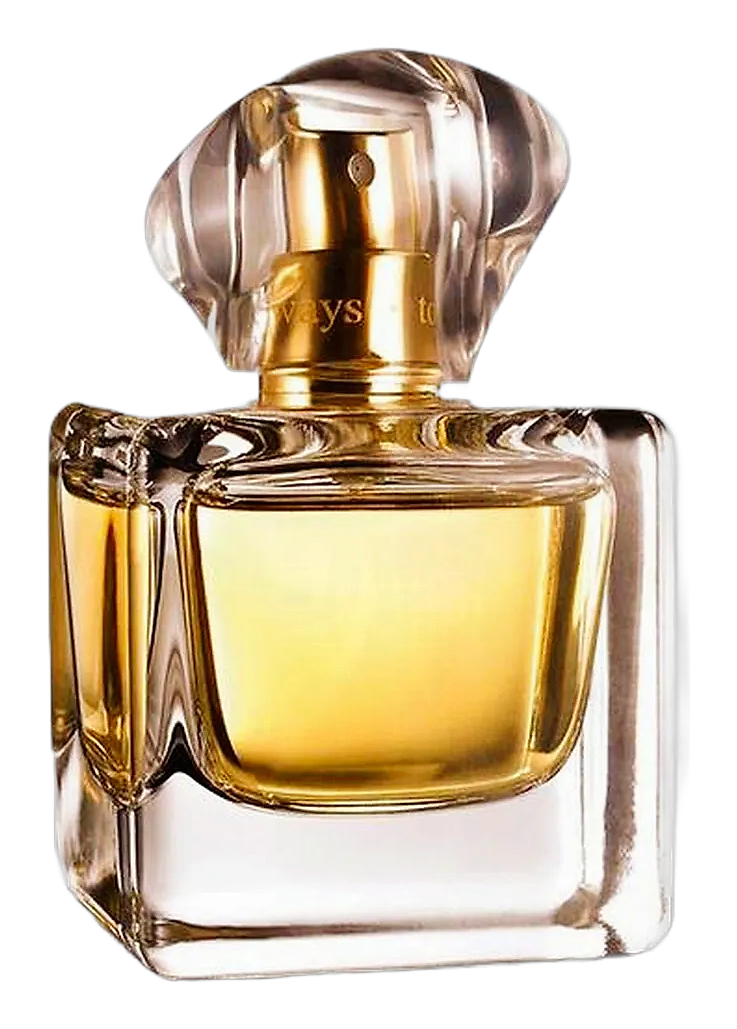
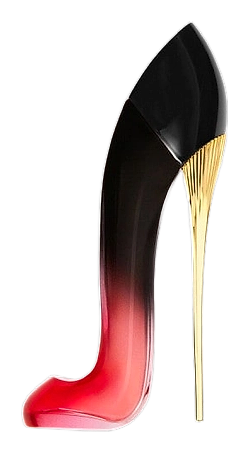
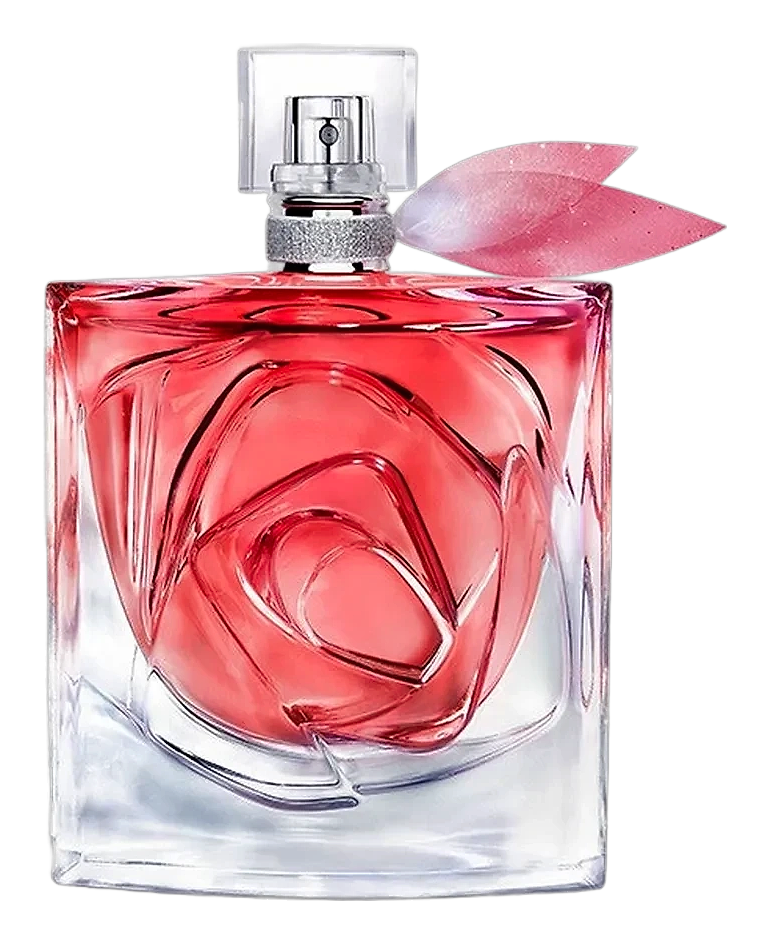
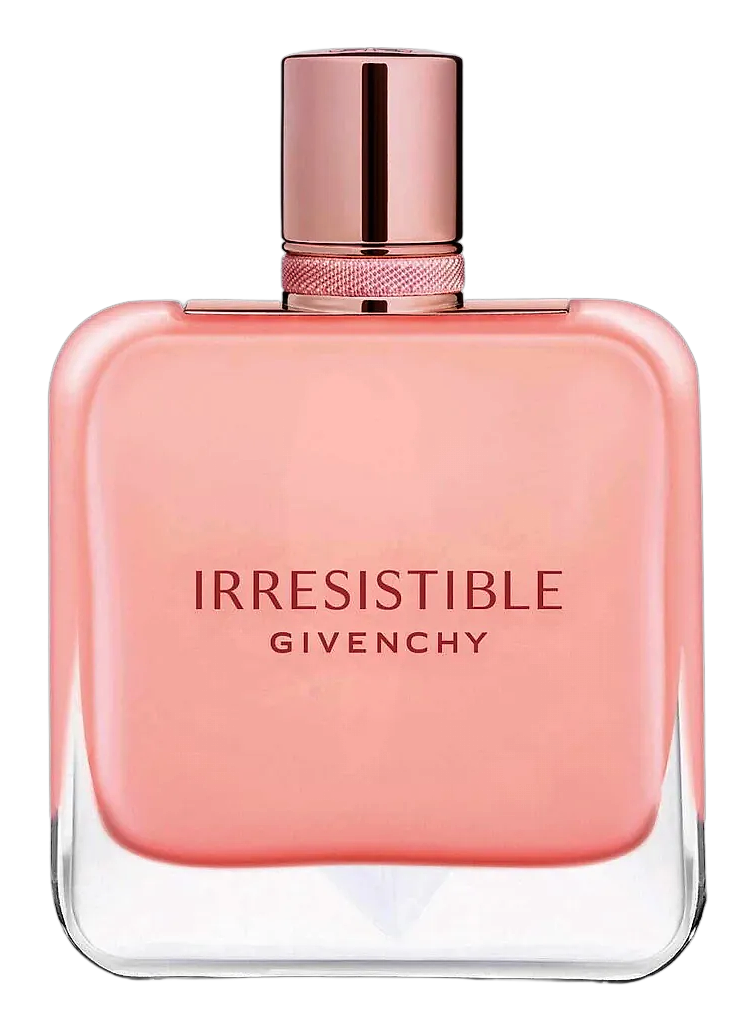
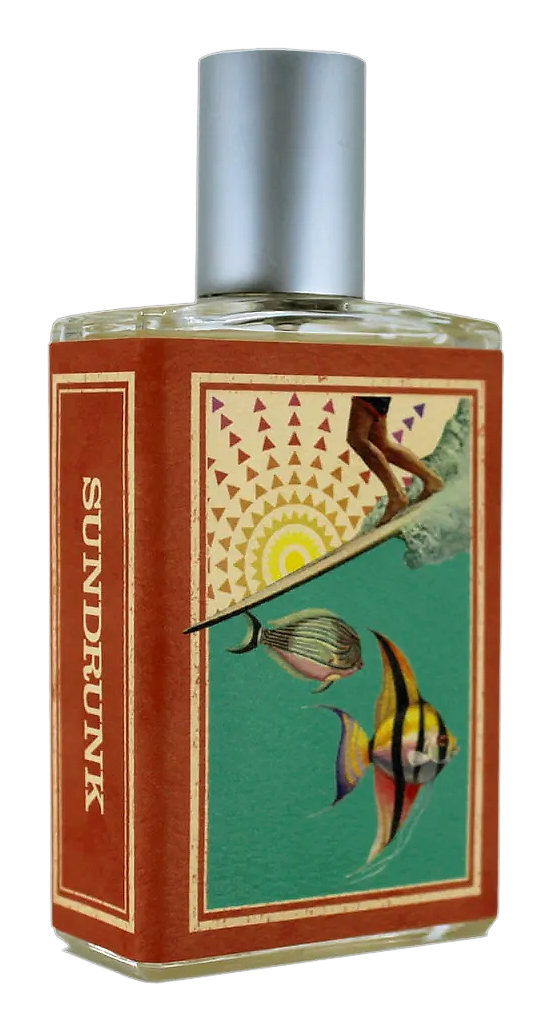
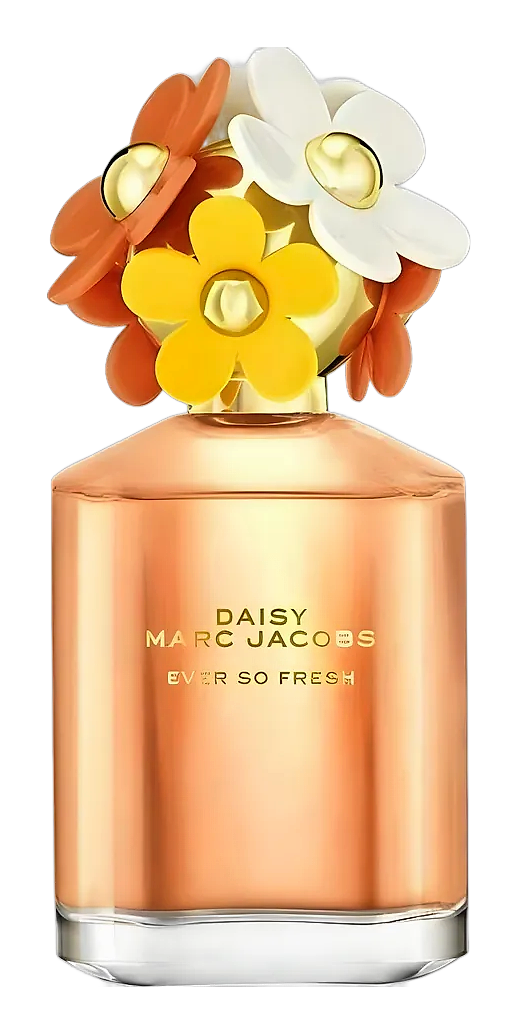
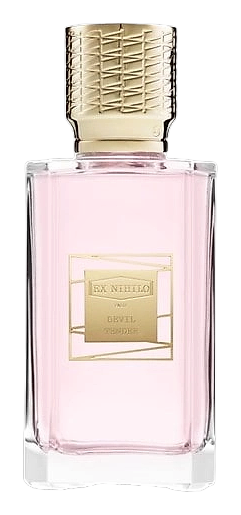
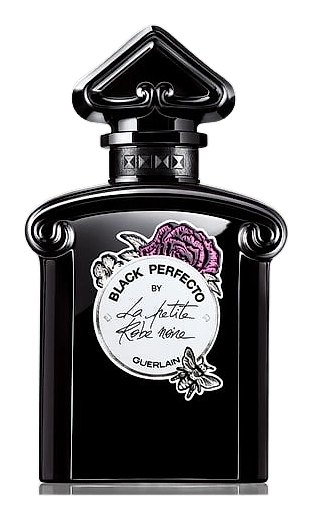
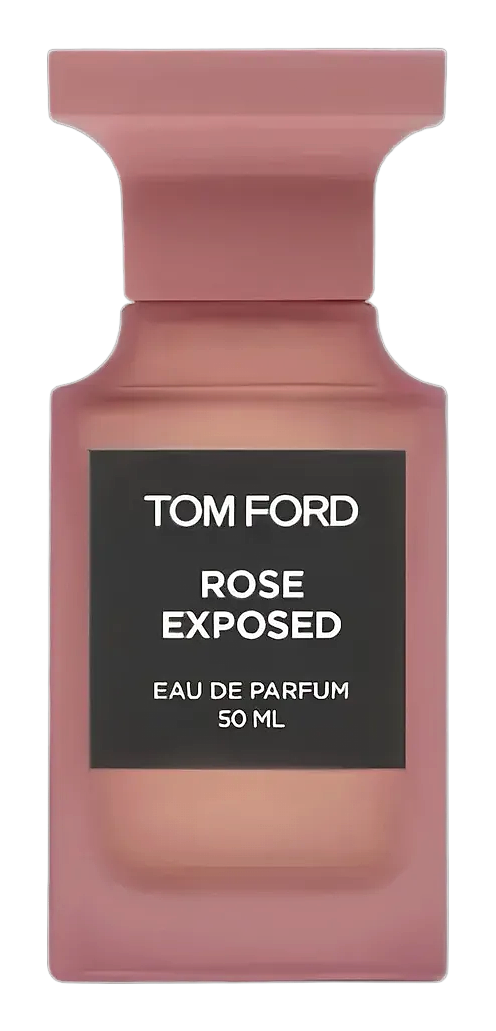
Fragrances featuring Rose Water

Brands
Brands known for Rose Water
Good to know
Questions, answered
The essentials on Rose Water in perfumery: how it smells, where it comes from, and how it behaves on skin.
What does rose water smell like compared to rose absolute?
Rose water smells fresher and more dewy than rose absolute. The distillation process captures water-soluble aromatic compounds that create a clean, slightly sweet, green floral scent without the deep, rich complexity of the essential oil. Think of the scent after rain on a rose garden rather than the petals themselves.
Where does the best rose water for perfumery come from?
Bulgaria and Turkey dominate commercial rose otto production, with the Rose Valley near Kazanlak, Bulgaria, being the most famous region. Morocco and Iran also produce respected varieties. The high-altitude roses of these regions develop more complex aromatic profiles due to cooler growing conditions.
Is rose water in perfumery natural or synthetic?
Natural rose water comes exclusively from steam distillation of Rosa damascena or Rosa centifolia petals. Some budget fragrances use synthetic aroma chemicals designed to mimic rose water's scent profile. High-quality niche fragrances specify natural rose water or hydrosol on their ingredient lists.
How long has rose water been used in perfumery?
Rose water has been used since at least the 10th century in Persia, with evidence of rose distillation dating to the Arabian Gulf region before the Common Era. Its use in European perfumery grew significantly after crusaders returned from the Middle East with rose water and attars.
What is the difference between rose water and rose hydrosol?
In perfumery contexts, these terms are essentially interchangeable. Both describe the aromatic water collected during steam distillation of roses. The term hydrosol is more technical and emphasizes the water-based nature of the product, while rose water often appears in culinary and cosmetic contexts.
Can rose water be used in cooking and perfumery simultaneously?
Food-grade and perfumery-grade rose water follow different purity standards. Food-grade versions must meet safety regulations for consumption, while perfumery versions may contain different concentrations or lack certifications for internal use. Some artisan distillers produce rose water suitable for both applications.
Does rose water contain alcohol?
Pure natural rose water contains minimal to no alcohol. The steam distillation process uses water and heat, not alcohol as a solvent. However, some commercial rose waters may have small amounts of alcohol added as a preservative. Check labels if alcohol-free is required.
What notes does rose water pair well with in fragrance composition?
Rose water harmonizes naturally with other florals like neroli and jasmine, citrus oils, light musks, and green notes. In perfumery, it works as a fresh top note or heart accord. It also bridges floral and oriental fragrance families when combined with warm woods or spices.



