The Story
Why it exists.
The beginning
Bergamote sits at the center of the Fleurs d'Ombre collection, built around a citrus trifecta: bergamot, bitter orange, and Amalfi lemon. Each brings something distinct to the composition. Bergamot contributes cool precision, its subtle floral edge lifting the blend without overwhelming it. Bitter orange supplies a tart, slightly bitter quality that keeps the opening from rounding into something soft. Amalfi lemon adds Mediterranean warmth, its sunny brightness threading through the other citrus notes. The combination doesn't aim for sweetness, it aims for clarity, a fresh and intentional opening that reads as both crisp and considered. The bergamote note itself is delicate compared to more aggressive citrus materials, offering nuance rather than punch, depth rather than volume.
What makes Bergamote interesting is its structure, the cool, bright citrus at the top doesn't fight with the warmer elements below. Instead, there's a deliberate tension. Heliotrope adds powdery softness. Clove brings warmth. Jasmine gives the heart its floral anchor while rosemary keeps everything grounded in something slightly herbal, slightly green. The base amplifies this. Oakmoss is the unexpected choice, mossy, earthy, slightly dark. Paired with patchouli and amber, it gives the fragrance something to settle into after the citrus fades. Tonka bean adds a whisper of sweetness, but it's subtle, not dominant. The real story here is the contrast: bergamot's coolness meeting oakmoss's earthiness.
The evolution
The opening is bright. Unmistakably citrus, bergamot and bitter orange arrive together with real intent, the lemon adding Mediterranean warmth without tipping into sweetness. There's an immediate clarity here that's hard to argue with. Then the unexpected moment. The clove and heliotrope begin to register, adding a warmth that doesn't quite belong to the opening. The citrus hasn't faded, but it's no longer alone. The combination creates a brief tension, cool and warm, fresh and powdery, that makes you lean in. The jasmine appears, softening everything further. Rosemary keeps it grounded, slightly herbal, preventing the heart from becoming too sweet. This is the aromatic middle, where the fragrance decides what it wants to be when it grows up. The citrus lingers alongside the warmer notes, neither fully present nor fully gone, creating a prolonged transition.
Cultural impact
Bergamote arrived in 2009 as part of the Fleurs d'Ombre collection. The fragrance occupies a particular space in the citrus conversation: bright enough to satisfy, warm enough to linger, with enough powdery depth to reward attention. It's a niche choice within a niche house, the kind of fragrance that appeals to someone who already knows where to look.
The House
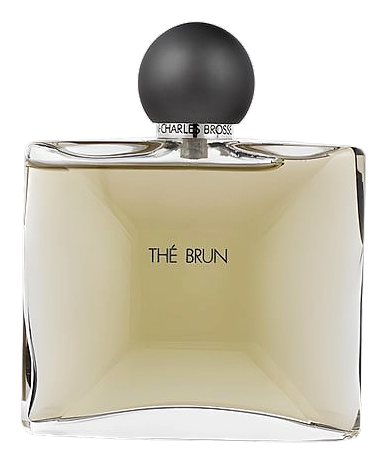
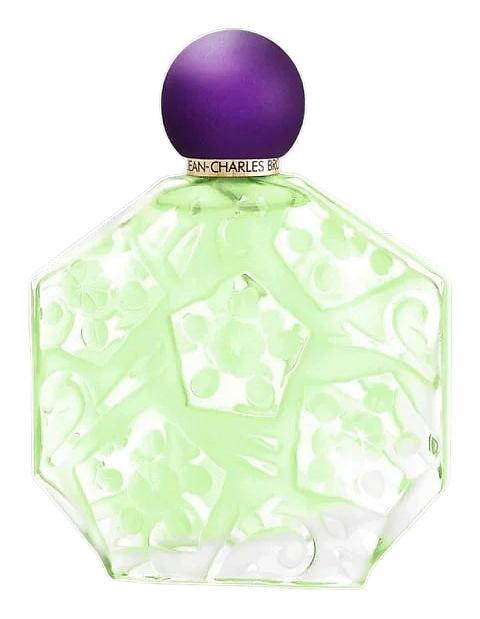
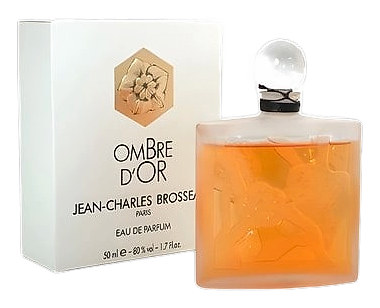
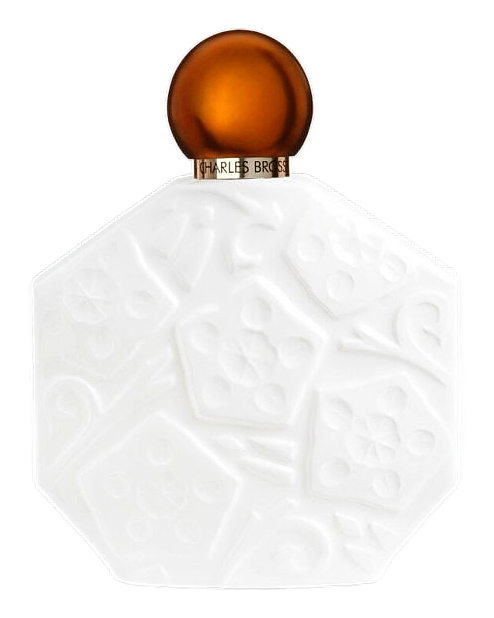
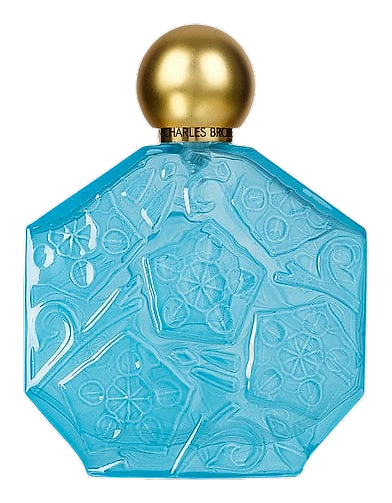
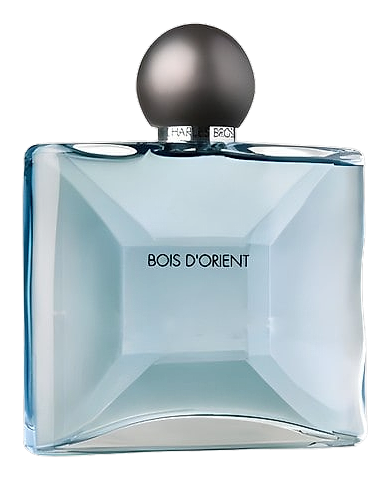
Jean Charles BrosseauJean-Charles Brosseau is a Parisian fashion house that evolved from couture into perfumery, best known for its signature fragrance Ombre Rose. The brand traces its roots to 1950s Paris Left Bank fashion, where founder Jean-Charles Brosseau built a reputation as a hat maker and designer before expanding into fragrance creation. Today, his son Benoît Brosseau continues the family legacy, maintaining the house's small-scale, artisan approach to perfume making. The brand operates with a deliberately limited portfolio, releasing fragrances sporadically rather than following industry cadence. Collections span women's lines including Fleurs d'Ombre and Ombre Rose variations, alongside the masculine Collection Homme featuring wood and tea accords.
The Creator
Christine NagelNagel occupies a distinctive space in contemporary perfumery, favoring sensual, textured compositions over the clean minimalism that dominated for decades. Her fragrances often feature unexpected contrasts: mineral and floral, salty and sweet, cool and warm.