The Story
Why it exists.
The beginning
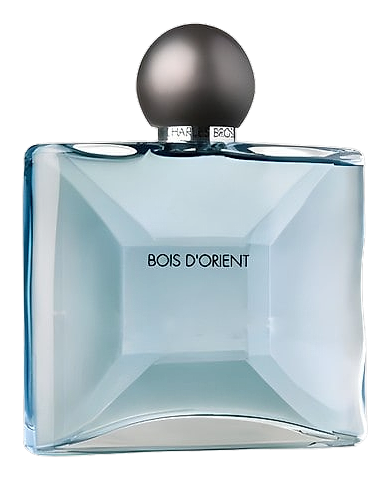
Bois d'Orient carries a name that points east without letting go of its French composition roots. The blend itself is an oriental-woody, and the fragrance handles that category without overselling its exoticism. Bois d'Orient translates as Wood of the Orient, a name that gestures toward Eastern fragrance traditions while keeping the composition grounded in French sensibilities. It's a study in balance, where the warmth of spices and resins meets a clarity in the opening that keeps things from tipping into heaviness. The juice smells like an evening that starts over a glass of something cold and ends somewhere warmer, spiced, faintly sweet.
What makes the structure worth noticing is the balance between brightness and depth. Fontaine front-loaded citrus and spearmint so the opening reads almost cologne-fresh, then pivots into a fig-plum-cinnamon heart that carries the weight without drowning in it. The praline-labdanum base nods to classic gourmand territory but stays dry, propped up by sandalwood and Virginia cedar. The interplay between the cool mint at the top and the warm resins at the bottom creates a push-pull effect that keeps the scent alive on skin for hours.
The evolution
The opening belongs to the citrus. Amalfi lemon and mandarin cut sharp, lifted by juniper and a thread of mint that cools everything down. That initial burst reads almost like a classic eau de cologne, bright and clean, with the menthol snap of spearmint threading through the zest. Then the fruit moves in. Raspberry and fig arrive soft, almost jammy, and the cinnamon underneath adds warmth without heat. The transition into the heart phase feels like watching a room shift from daylight to lamplight, same space, different mood. As the composition settles, the gourmand elements emerge. Praline shows up sweet but not sticky, riding on white musk and labdanum that give it an amber glow. The labdanum here reads resinous rather than animalic, adding a golden haze rather than a heavy one.
Cultural impact
Bois d'Orient sits in an interesting middle ground, offering presence and sweetness without committing to a full gourmand profile. It's a fragrance that rewards patience, opening crisp and closing warm, and that arc is what tends to stick in memory. The composition manages to be both approachable and distinctive, familiar enough to wear in any setting but interesting enough to notice. The sweetness from praline and fruit is tempered by the dryness of the wood base, creating something that feels indulgent without being heavy-handed.
The House
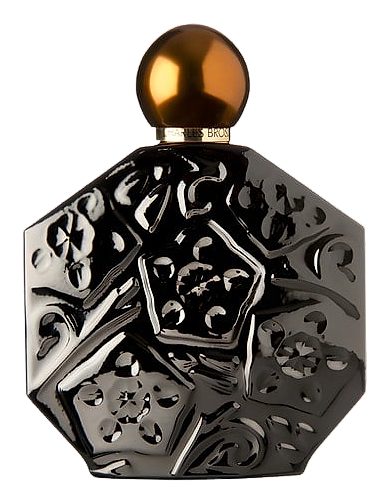
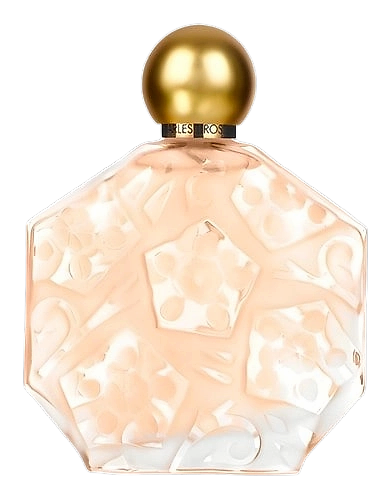
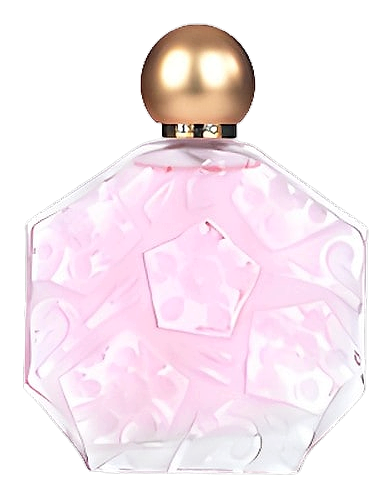
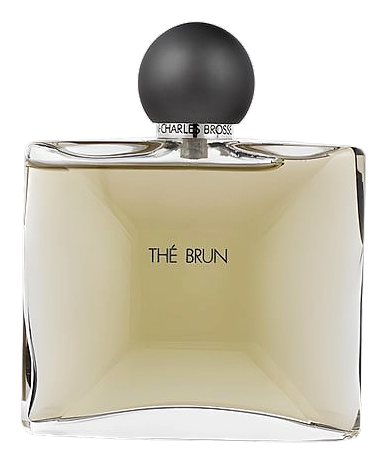
Jean Charles BrosseauJean-Charles Brosseau is a Parisian fashion house that evolved from couture into perfumery, best known for its signature fragrance Ombre Rose. The brand traces its roots to 1950s Paris Left Bank fashion, where founder Jean-Charles Brosseau built a reputation as a hat maker and designer before expanding into fragrance creation. Today, his son Benoît Brosseau continues the family legacy, maintaining the house's small-scale, artisan approach to perfume making. The brand operates with a deliberately limited portfolio, releasing fragrances sporadically rather than following industry cadence. Collections span women's lines including Fleurs d'Ombre and Ombre Rose variations, alongside the masculine Collection Homme featuring wood and tea accords.
The Creator
Thomas FontaineFontaine is drawn to natural ingredients and classical perfumery structures, favouring compositions with depth, clarity, and a sense of time embedded within them. He has demonstrated a particular skill with tuberose and rose-jasmine accords, visible across his Jean Patou work,…