The Story
Why it exists.
The beginning
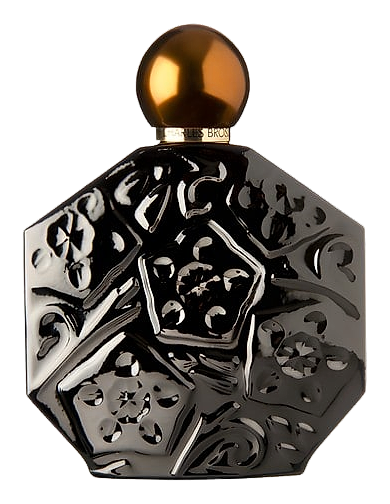
Thomas Fontaine designed Ombre Orientale in 2013 as Jean Charles Brosseau's deliberate move into unapologetic oriental territory. The house had built its reputation on Ombre Rose, soft, powdery, intimate, a fragrance that whispered. Ombre Orientale was never going to whisper. The name itself is the statement: an eastern shadow, cast westward. Fontaine worked with the material that defines oriental perfumery at its most confrontational, oud, agarwood, the dense resinous weight that makes other fragrance families seem tentative by comparison. What he brought to it was the Brosseau instinct for restraint. Not less oud. Less apology around it.
The saffron is the key to understanding this composition's structure. Persian saffron carries a metallic, almost bitter character that most perfumers soften with sweetness or cream. Fontaine let it stand. That metallic bite at the opening, the same quality that makes real saffron expensive and divisive, becomes the fragrance's most honest moment. It announces exactly what this is: a fragrance that will not perform. The pink pepper amplifies the sharpness rather than tempering it. Only as the top notes recede does the rose emerge, and it arrives quietly, almost powdery, held in check by violet's cool waxiness. The fruit in the heart, raspberry, blackcurrant, never becomes confection.
The evolution
The first thirty minutes announce themselves with authority. Saffron and pink pepper open bright and sharp, almost aggressive, with a metallic edge that some wearers describe as band-aid or medicinal. The blackcurrant arrives green and acidic, lending an unexpected coolness that keeps the spice from becoming sheer heat. Around the forty-minute mark, the character shifts. The rose opens, soft, powdery, almost shy against what came before. Orange blossom adds its bitter-floral character. The violet emerges last in the heart, cool and waxy, providing a quiet counterpoint to the warmth building beneath. By the second hour, the oud takes full command. This is where the fragrance reveals its true nature, dry, resinous, smoky wood rather than the creamy oud found in many Western interpretations. Patchouli adds its earthy depth. Amber warms without sweetening. The sandalwood arrives late and stays longest, a quiet whisper of warmth that persists for hours after the spice has fully retreated.
Cultural impact
Ombre Orientale occupies an unusual position in the modern oriental landscape: a 2013 release from a heritage house that refused to modernize its materials for Western palates. The oud reads differently than the creamy, accessible interpretations that dominate the category. Wearers who connect with it tend to describe it as the most honest oriental they've encountered, one that doesn't apologize for its references or soften its confrontational materials. It has accumulated a quiet cult following among those who appreciate oriental fragrances at their most direct, drawn to the metallic saffron opening and the dry, smoky drydown that outlasts most of its contemporaries.