The Story
Why it exists.
The beginning
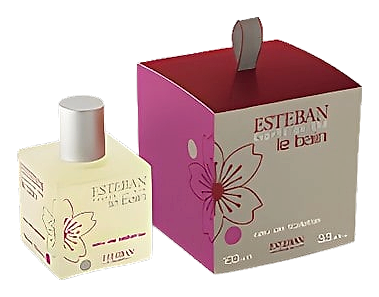
Esprit de Thé arrived in 2009 as Esteban's tribute to the Japanese bathing ritual. The collection drew on green tea and cherry blossom, ingredients valued for their calming effect. The eau de toilette launched alongside body care companions, extending the fragrance into a broader sensory context. The name itself, "Spirit of Tea," frames the fragrance less as a scent and more as an intention, a quiet gesture offered through a simple act of wearing it. On skin, the opening lifts with the cool, slightly bitter snap of steeped green tea, layered against bergamot's clean citrus brightness and a flicker of coriander's gentle spice.
What makes the composition work is restraint. Green tea and bergamot handle the lift, but it is the interplay of cherry blossom, magnolia, and jasmine in the heart that gives it dimension. Cherry blossom carries that delicate, almost almond-soft powderiness; magnolia adds a creamy warmth; jasmine threads through with its indolic edge, just enough to keep it from drifting into pure decoration. The base of guaiac wood, amber, and musk grounds the florals without weighing them down, letting the tea note linger like steam.
The evolution
On skin, the opening is immediate and clean, bergamot bright against tea's green astringency, coriander adding a faint peppery flicker. Within 20 minutes the florals arrive, cherry blossom first, soft and almond-edged, then magnolia rounding it out, jasmine arriving last and most quietly. The middle holds for roughly 3 hours, a powdery cloud that sits close rather than radiates. Around the 4-hour mark the base emerges: guaiac wood lending its smoky, slightly rubbery warmth, amber softening the edges, musk pulling everything into skin. The drydown is the longest phase, lasting another 2-3 hours, a close, woody-creamy whisper that reads as clean skin more than perfume. Moderate sillage means nobody across the room catches it, but anyone within arm's length will. By morning, a faint trace of musk and wood remains on fabric.
Cultural impact
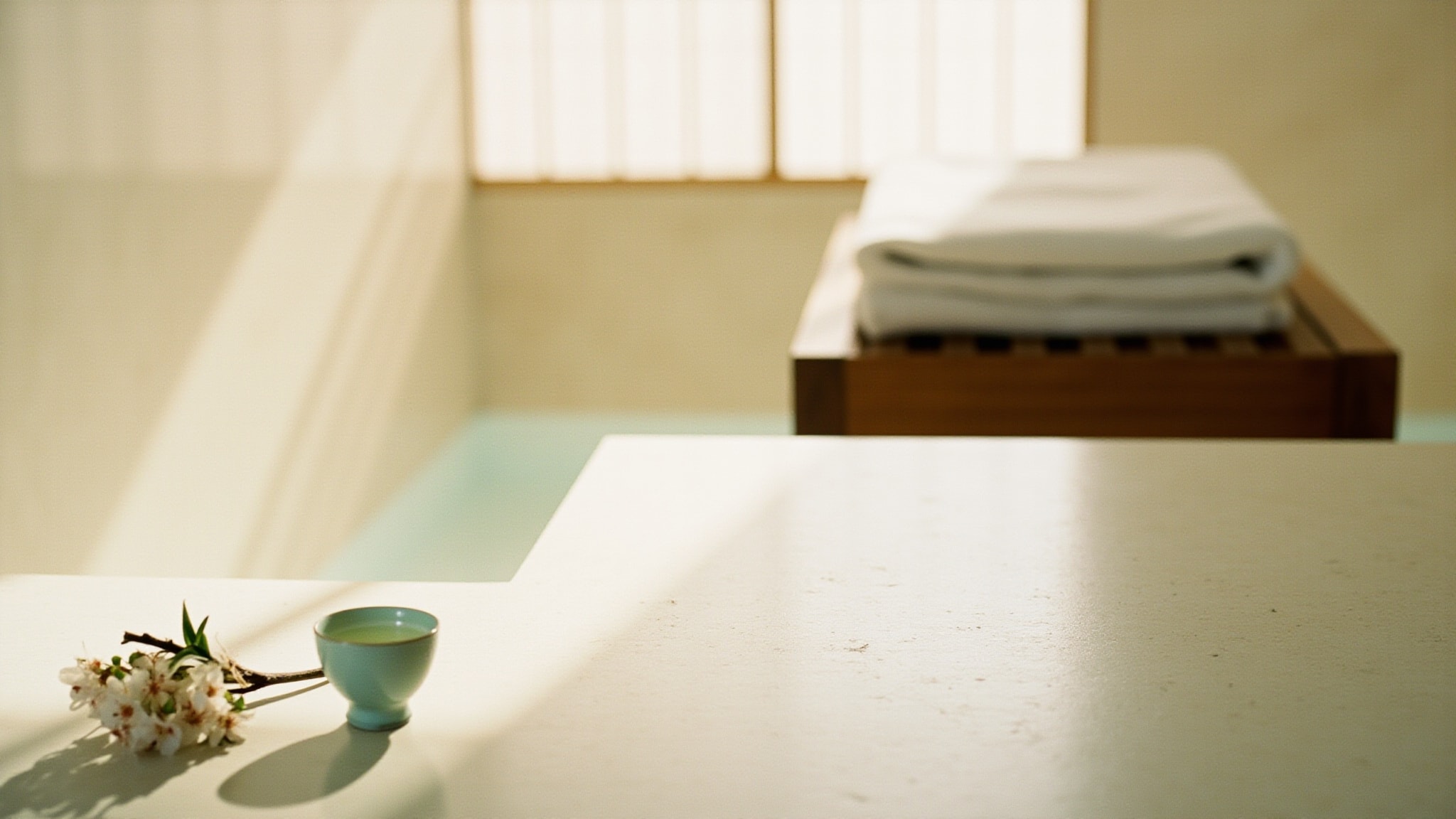
Esprit de Thé occupies a particular niche: it is a bath-inspired fragrance that reads as wearable rather than gimmicky. The tea-and-cherry-blossom pairing references the Japanese ritual of bathing, a visual and cultural reference that gives the composition its quiet, contemplative center. Wearers gravitate toward it for moments of stillness, morning routines, post-shower calm, situations where the scent functions as a soft frame rather than a statement.