The Story
Why it exists.
The beginning
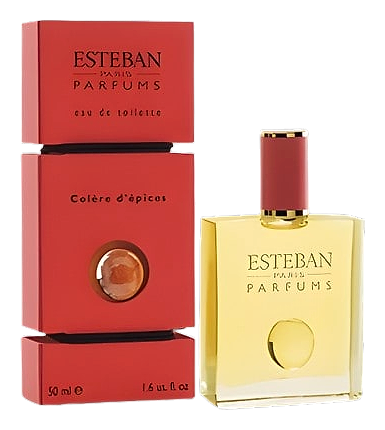
Colère d'Épices arrived in 2007, named for the controlled heat of spices rather than spice itself. The concept: what happens when aromatic materials stop performing and start simply existing? Esteban built this fragrance around that question, letting cardamom and ginger lead without overwhelming. The name implies confrontation. The result does not.
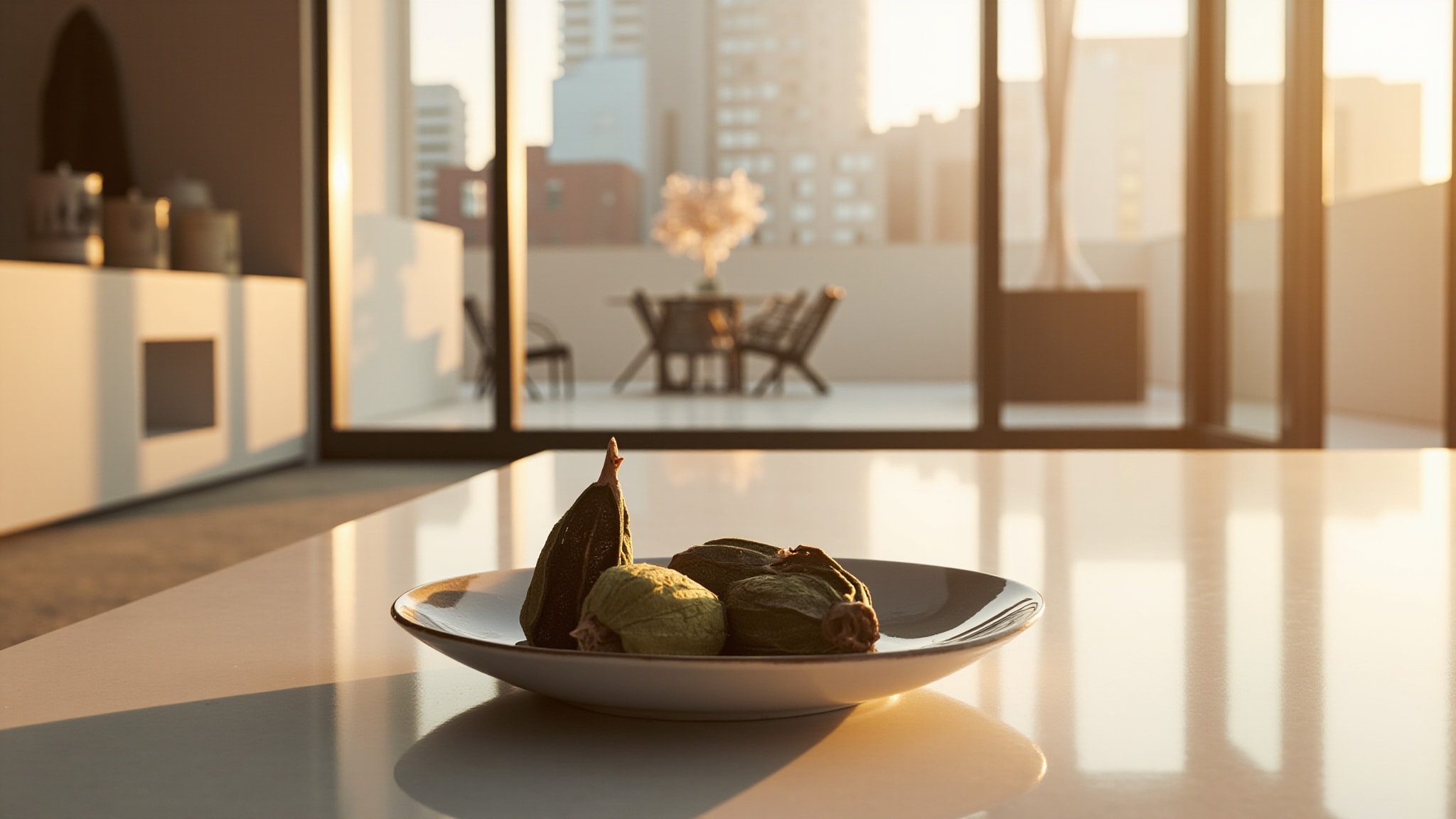
Cardamom and ginger form an unusual top pairing, neither dominates, and together they create something that reads more as atmosphere than assertion. The heart introduces heliotrope, a material often relegated to powdery florals, here given room to soften the spice into something gentler. Clove adds the faintest edge without becoming medicinal. The structure is deliberately understated: a fragrance that earns attention rather than demanding it.
The evolution
The opening arrives quietly, cardamom first, then ginger lifting it slightly. Within minutes the spice softens, heliotrope and cyclamen threading through and turning the heat into something powdery and floral. The clove emerges in the heart but stays subordinate, warming rather than sharpening. The base is where Colère d'Épices earns its name: benzoin and musk create a lingering warmth that stays close to skin for hours. The sillage never fills a room. It doesn't need to.
Cultural impact
Colère d'Épices occupies an unusual position: a 2007 release that predates the modern niche fragrance boom, yet reads as deliberately anti-trend. It doesn't perform. It doesn't project. Wearers describe it as the fragrance someone chooses for themselves, discovered rather than inherited through marketing. The warm, powdery character appeals to those who find mainstream masculine fragrances too aggressive, while the spice notes keep it from reading as feminine. In that sense, it anticipates the gender-neutral scent conversation by nearly two decades.