The Story
Why it exists.
The beginning
Modern Chypre arrived with a provocation in its name. What does a chypre mean when the word 'modern' precedes it? Fabrice Pellegrin had an answer: everything and nothing. The structure stayed, bergamot over patchouli, a floral heart bridging the two, but the character shifted entirely. Raspberry opened where bergamot once would have led, bright and tart, almost jammy in its insistence. Green mandarin added freshness without sharpness, keeping the top phase clean and lifted. It was a reinterpretation, not a replacement. The bones of the classical structure remain visible, but the flesh is different, softer, sweeter. Pellegrin understood that updating a classic doesn't mean erasing it.
The name does the work here. Modern Chypre announces itself as a statement piece, a reinterpretation of a category rather than a faithful addition to it. The praline base is the tell: it's sweet, yes, but not frivolous. It grounds the patchouli, softening the earth, binding the drydown into something cohesive and warm. Without the harshness that sometimes defines the base note in traditional chypres, this one reads as inviting rather than imposing. The result is a chypre that leans warm instead of bitter, approachable instead of austere. Still structured. Still recognizable.
The evolution
The opening announces itself quickly. Raspberry arrives without ceremony, bright, tart, almost jammy, while bergamot and green mandarin keep it clean. There's a brief citrus-green phase that feels almost herbal before the heart takes over, a transitional moment where the composition gathers itself. The white rose and lily of the valley arrive soft, creamier than expected, their edges blurred by the sweetness building beneath. Then the base: patchouli grows louder as the florals recede, but here it's warm, almost honeyed. No sharp metallic edge. No bitterness. The praline amplifies the sweet, and patchouli becomes plush rather than austere. The drydown stays close to skin, intimate sillage, moderate projection that doesn't announce itself across a room. A faint praline warmth lingers on fabric, like a ghost of the opening brought back around.
Cultural impact
The name alone makes a claim. Modern Chypre places itself in conversation with a category that has history, asking what that category can become when its conventions are relaxed. One reviewer called it 'a delicious version of a legendary perfume,' which captures the intent neatly, taking something canonical and making it sweeter, warmer, more wearable. The debate over whether it earns the 'chypre' label is, itself, part of its function. It exists to be argued about, to invite discussion about what categories mean and whether staying faithful to a tradition is the only way to honor it.
The House
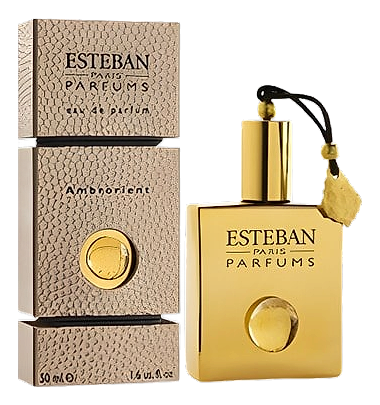
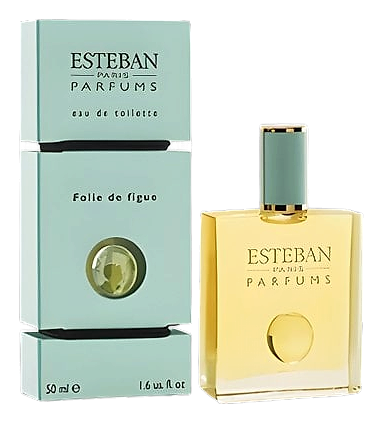
EstebanEsteban is a French fragrance house rooted in Southern France, founded in 1979 by Jean-Max Esteban. The brand began as a story of personal discovery, inspired by an encounter between an aviation enthusiast and a young artist passionate about perfume. Over four decades, Esteban has developed collections spanning personal fragrances, bath products, and home scents. The house maintains a distinctive position as a smaller, independent perfume house operating between Paris and Montpellier, with a particular strength in atmospheric home fragrances. Notable releases include Secrete Afrique, Cedre, and the 2005 Fraicheur Andalouse, alongside a range of scented candles and home diffusors. The brand established an early international presence through its Japanese distribution beginning in 1985, working in partnership with Nippon Kodo since 1990.
The Creator
Fabrice PellegrinPellegrin's style often leans towards a bright, fresh feel, frequently incorporating citrus notes and clean musks. He's known for his skill in creating light and airy fragrances, yet with surprising depth and longevity.