
The Story
Why it exists.
The beginning
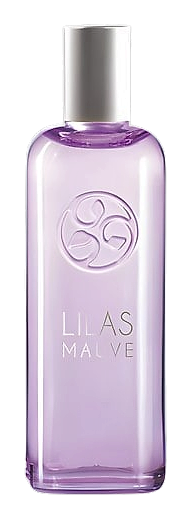
Lilas Mauve arrived in 2012 as part of the Un Matin au Jardin collection, Yves Rocher's tribute to spring gardens at their most fleeting. Annick Ménardo crafted this one specifically around the lilac: not lilac as an afterthought or supporting note, but lilac as the entire conversation. Ménardo delivered a fragrance that commits fully to its obsession. It smells like the moment you lean close to a lilac hedge and the whole world softens for a second. The green stems arrive first, crisp and living, before the blooms emerge in their powdery delicacy. There's a subtle resinous warmth underneath that gives the lilac something to rest against, preventing it from fading too quickly.
What makes Lilas Mauve interesting is what Ménardo did with a flower that's notoriously difficult to render convincingly in fragrance. Lilac requires a particular approach, and Ménardo took a different path, using green and powdery accords to evoke the lilac experience rather than reconstruct it. The result has a slightly abstract quality: recognizably lilac, but viewed through Ménardo's particular lens. It's not a realistic bouquet. It's the emotional truth of lilac in a garden at dawn.
The evolution
The opening is green stems. Living, crisp, the smell of something just picked. Within minutes, the lilac emerges, powdery and delicate, but with unexpected presence. The heart doesn't stay fragile for long. A subtle resinous warmth starts building underneath, giving the lilac something to rest against. It's a smart move. Without that base, the lilac would fade quickly. Instead, the lilac settles into a gentle drydown that extends the experience, though it stays close to the skin throughout. Moderate sillage, intimate projection. The kind of fragrance that someone standing beside you will notice before someone across the room. The green notes eventually recede, leaving the powdery floral at the forefront as the resinous undercurrent continues to provide depth and longevity.
Cultural impact
Lilas Mauve occupies a particular corner of fragrance culture: the lilac-focused floral. Fragrances built around a single flower type can be polarizing, some find them remarkable, others find them thin. Ménardo's interpretation splits the difference by committing fully to lilac's powdery, ephemeral character while adding enough green and resinous depth to keep it interesting on skin. The result feels both delicate and grounded, a balance that's harder to achieve than it sounds. It's the kind of fragrance that rewards attention, revealing new facets as it develops over the first hour.