The Story
Why it exists.
The beginning
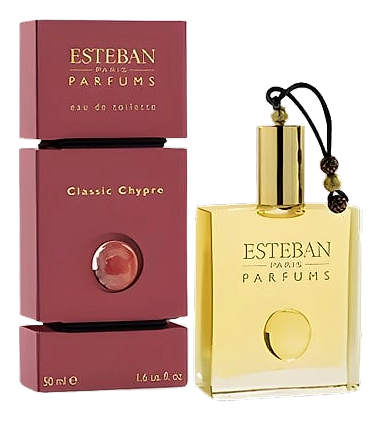
Norbert Bijaoui launched Classic Chypre in 2007. The fragrance draws on the classic chypre structure, built around citrus, patchouli, and oakmoss. These materials combine to create something that feels rooted in tradition without becoming a static exercise. The top notes of citrus provide an immediate brightness that opens the composition. The heart relies on the interplay between floral and green elements, while the oakmoss anchors the base with its characteristic depth and earthiness. The result is a fragrance that wears its references with quiet confidence rather than loud pedigree. For an independent house like Esteban, the work represents a commitment to the traditional form.
The opening is bergamot and basil, a combination that reads as green without being sharp. The citrus gives brightness; the basil gives herbaceous depth, like crushed leaves on a warm afternoon. Together they set up the heart without announcing it. The heart is where the chypre structure earns its name: rose and jasmine in tension, the rose's velvety warmth checked by jasmine's indolic richness. The spice accord adds warmth without heat, a subtle elevation that keeps the florals from getting too sweet. But the real character lives in the base.
The evolution
Classic Chypre opens with clean certainty. Bergamot and basil arrive together, citrus brightness lifted by something leafier beneath. The basil adds a green quality that keeps the opening from reading as sweet. This phase lasts maybe an hour before the handoff begins. The heart is where rose and jasmine take over. The jasmine brings its characteristic warm, almost animalic richness. The rose keeps it grounded. The spice accord threads through without dominating. This is the longest phase, several hours of quiet florality that gradually softens and turns powdery. The drydown is the oakmoss, green and bitter and deep. Vetiver joins it, dry and woody. Vanilla appears at the edges, a soft warmth that prevents the base from becoming austere. The drydown lasts another few hours on most skin, intimate and close.
Cultural impact
Classic Chypre arrived in 2007, a period when true chypres had become uncommon. The structure itself demonstrates how a chypre is built: citrus at the top, florals in the heart, and oakmoss providing the characteristic depth at the base. Oakmoss remains the element that defines the form, the material that makes a chypre a chypre. Without it, the architecture changes entirely. The fragrance honors the original form, maintaining the balance of materials that gives the category its name. Each stage unfolds with deliberate progression: the initial citrus brightness, the floral heart, and the deep mossy base that extends the wear for hours.