The Story
Why it exists.
The beginning
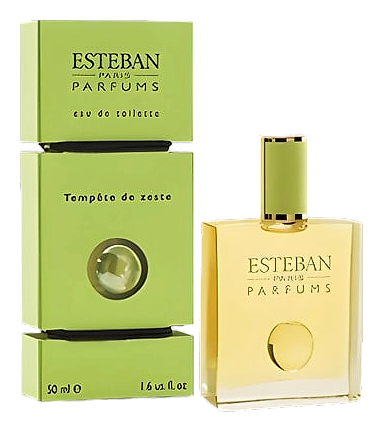
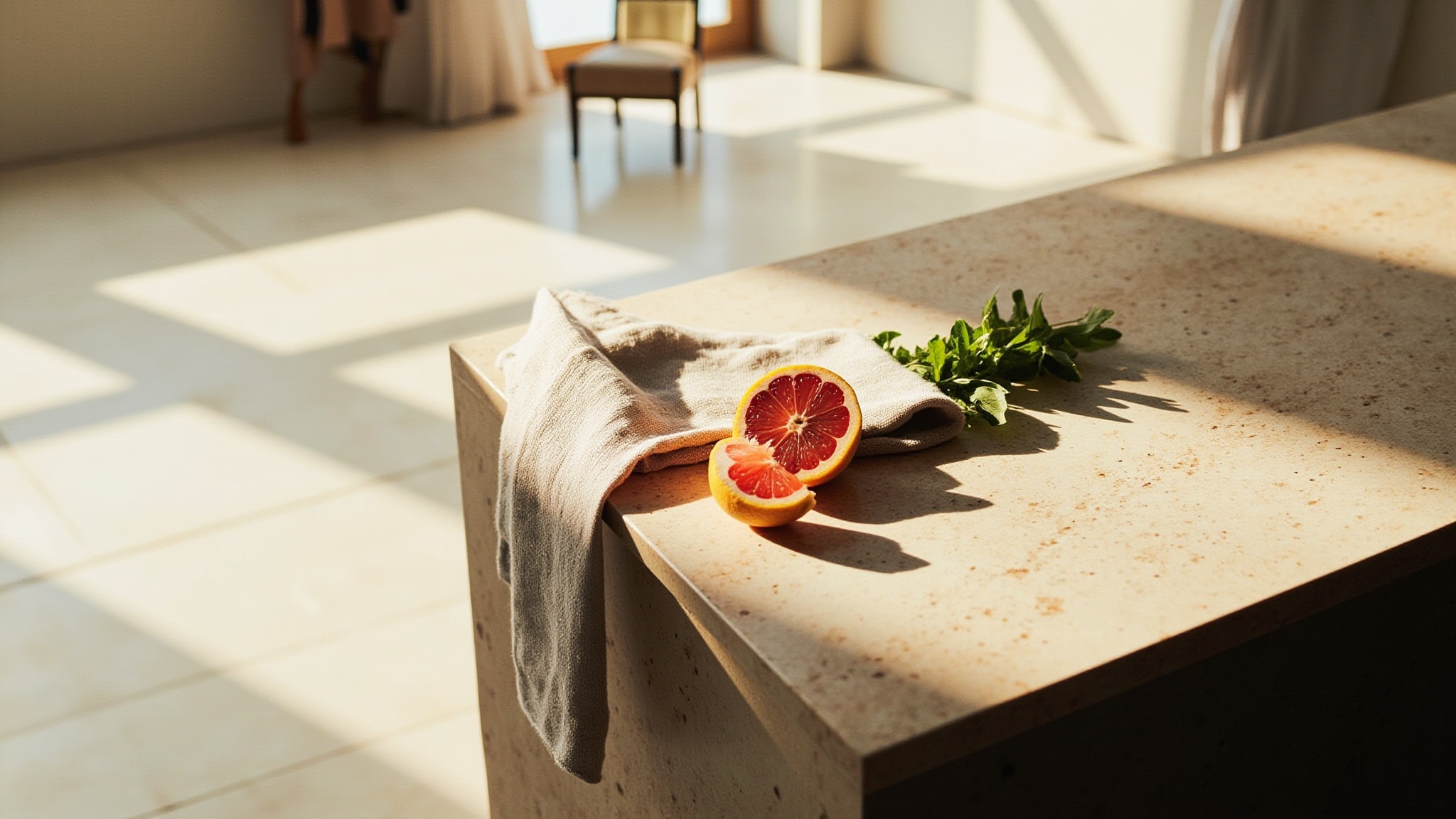
Tempete de Zeste was Esteban distilling an idea into a fragrance: the moment you tear the zest from citrus fruit. Not the juice. The peel. The bright, volatile oils that spray when you twist hard enough. The name captures that burst of energy, a storm of citrus that reads as green and herbaceous first, aquatic second. The composition mirrors the name's duality: explosive opening, then a deliberate settling into something more composed. Zeste, in French, means both the peel and a kind of energetic verve. Both senses live in this bottle. The fragrance opens with a sharp, almost aggressive citrus burst that feels like standing in a sun-drenched orchard, the air alive with the scent of broken peel. There's an immediacy to it, a brightness that doesn't apologize for its intensity.
What makes the structure interesting is the hand-off between phases. The citrus opening doesn't just fade, it gets replaced. The green notes (basil, blackcurrant) don't merely support the grapefruit; they actively push it aside as the fragrance develops. The heart introduces water iris, a material that smells cool and slightly powdery, almost like the air above a lake. This creates an unexpected middle passage: not quite aquatic, not quite floral, but occupying the space between. The woody base of sandalwood and patchouli arrives late and stays quiet, close to skin, warm without being heavy, present but not intrusive. It's a structure built for people who find most citrus fragrances disappear too quickly.
The evolution
The opening arrives like a sudden gust, grapefruit, mandarin, and basil hitting simultaneously with real force. The citrus dominates, bright and tart and almost aggressive, filling the space around you with immediate energy. Then the blackcurrant emerges, adding a green, slightly tart dimension that makes the citrus feel less straightforward. The heart announces itself with water iris and freesia, creating a cool, slightly powdery floral layer that doesn't compete with the opening so much as it replaces it. The citrus doesn't vanish, it retreats, becoming a background warmth. Eventually the base takes over. Sandalwood and patchouli arrive together, woody and slightly earthy, grounding everything that came before. This is the longest phase, the one that stays on skin for hours. The drydown reads as quiet confidence, you can smell it if you're close, but it's not announcing itself.
Cultural impact
Tempete de Zeste arrived as a counterpoint to the marine and aquatic fragrances that dominated the market. Rather than another entry in the aquatic category, this fragrance offered a different path: a green-citrus-woody structure that appealed to those seeking something outside the marine box. The house, with its focus on emotional scent experiences, used this launch to demonstrate its range in personal fragrance. The timing of the release positioned it as an alternative for wearers who wanted freshness without the predictable marine route, offering a more herbal, zesty interpretation that felt both modern and grounded.