The Story
Why it exists.
The beginning
Cedre emerged in 2007 from perfumer Norbert Bijaoui's vision. The fragrance centers on cedar and leather, with labdanum adding an almost animalic warmth. The official description calls it an escape to wild and majestic nature, and the scent itself seems to bear that out. The cedar carries a natural rawness, the kind of texture and presence you associate with the material itself rather than a simplified interpretation. Cedar essential oil has a depth that goes beyond the wood note alone, and here it forms a core that feels genuinely grounded. Leather anchors the composition from below, while labdanum provides the sticky-balsamic element that rounds everything into something cohesive and alive.
The spiced rose and cinnamon in the heart give Cedre an unexpected warmth, rose often reads masculine in this context, cinnamon adds a quiet heat that builds slowly. But it's the labdanum that makes this interesting. That sticky, balsamic resin brings an almost animalic quality that most cedar fragrances either strip out or bury. Here, it's part of the architecture. The result is a cedar that feels inhabited, not pristine, woody in the way old libraries smell, leather in the way well-worn objects do.
The evolution
The opening announces citrus and lemon with quiet confidence, a clean, bright note that cuts through before anything else arrives. Within minutes, the spiced rose and cinnamon push forward, warming the composition before cedar takes its seat. The hand-off is smooth but noticeable: fresh gives way to warm, bright gives way to deep. By the drydown, cedar and leather dominate. The labdanum reveals itself slowly, that balsamic animalic quality that adds weight without aggression. The sillage is moderate, intimate rather than announced. What lingers is warm and close to the skin, the kind of presence someone notices only when they're already beside you. Over time, the cedar and leather grow more textured as the fragrance settles, with the labdanum integrating deeper into the base to become part of what holds everything together.
Cultural impact
Cedre occupies a particular space: discontinued, independent, and honest about what it is. The cedar note has a rawness that goes beyond a clean, idealized interpretation. There's a bark-and-resin quality to it that feels immediate, paired with leather and labdanum that give the fragrance a warm, inhabited character. The opening citrus and lemon are crisp and confident, but the heart shifts into spiced rose and cinnamon before settling into a cedar-leather base that lingers close to the skin.
The House
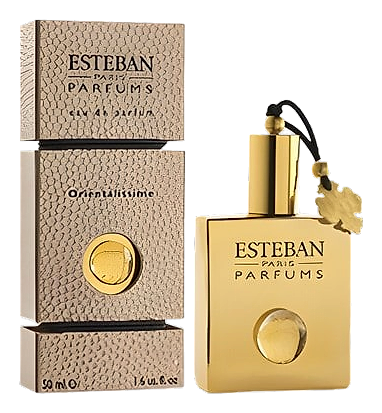
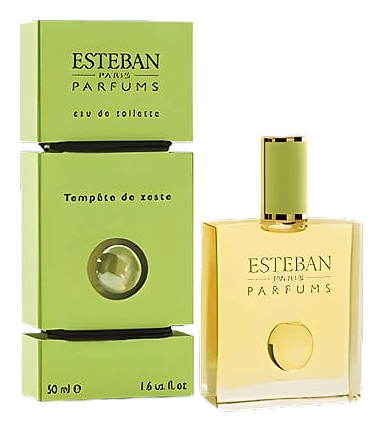
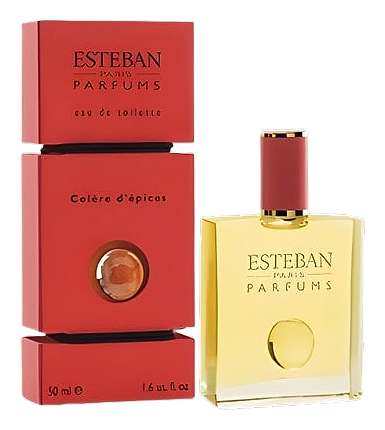
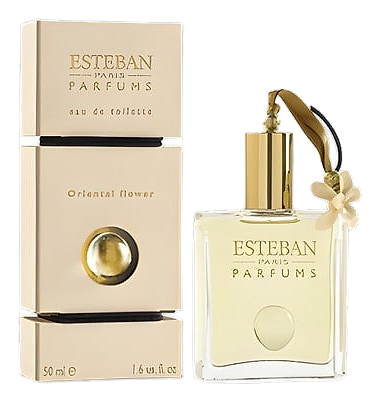
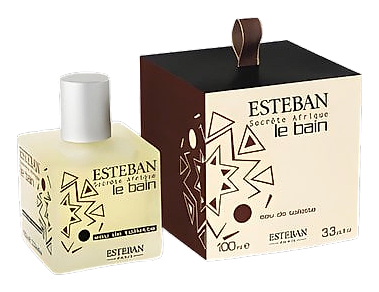
EstebanEsteban is a French fragrance house rooted in Southern France, founded in 1979 by Jean-Max Esteban. The brand began as a story of personal discovery, inspired by an encounter between an aviation enthusiast and a young artist passionate about perfume. Over four decades, Esteban has developed collections spanning personal fragrances, bath products, and home scents. The house maintains a distinctive position as a smaller, independent perfume house operating between Paris and Montpellier, with a particular strength in atmospheric home fragrances. Notable releases include Secrete Afrique, Cedre, and the 2005 Fraicheur Andalouse, alongside a range of scented candles and home diffusors. The brand established an early international presence through its Japanese distribution beginning in 1985, working in partnership with Nippon Kodo since 1990.
The Creator
Norbert BijaouiBijaoui favors architectural clarity. His compositions tend to unfold with precision, each layer doing its work before the next arrives.