The Story
Why it exists.
The beginning
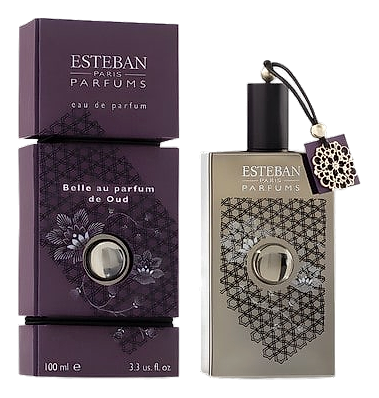
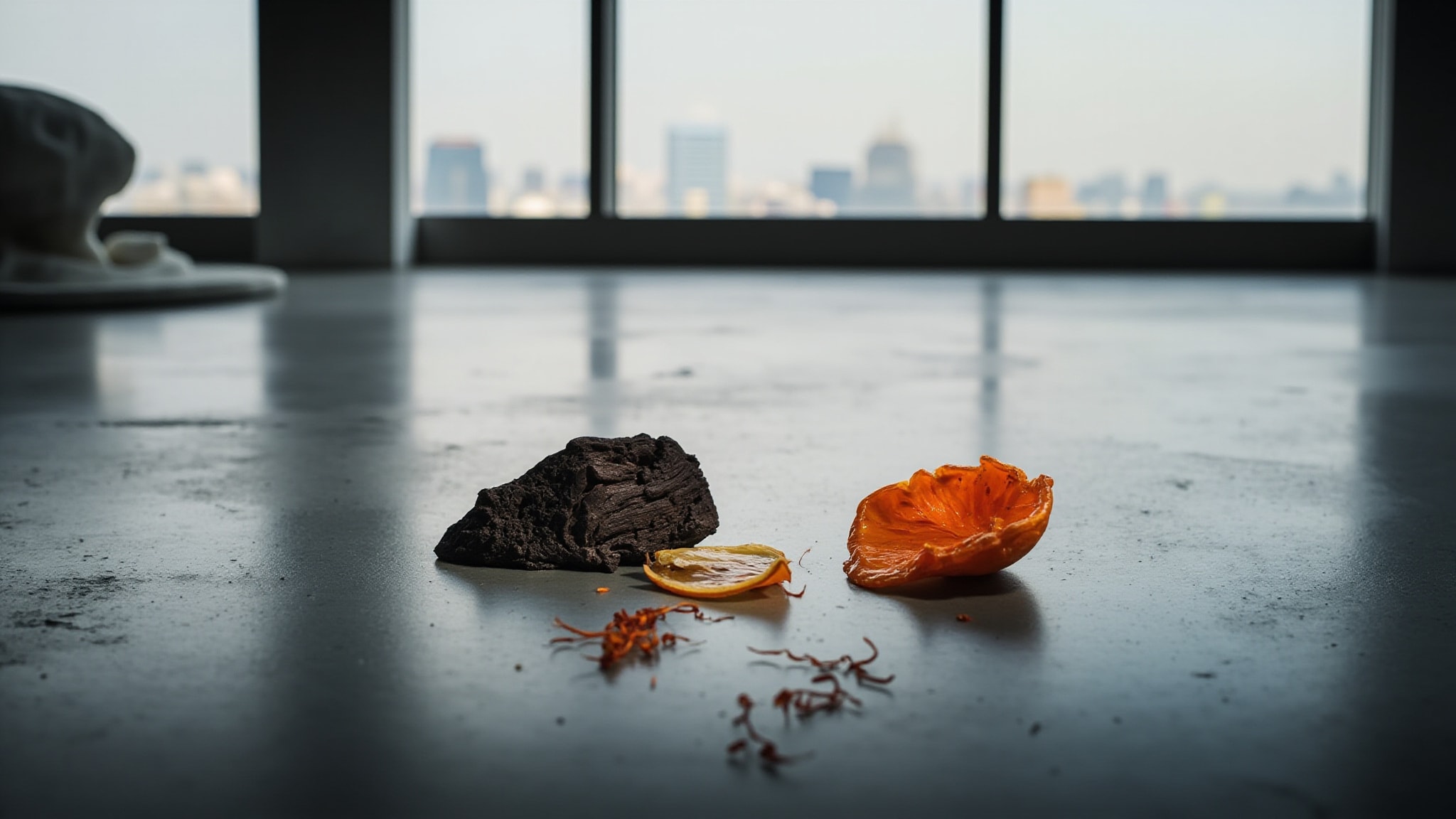
Esteban's Belle au Parfum de Oud emerged in 2012 under perfumer Emilie Bouge's direction. Bouge reached for labdanum, saffron, and mandarin to build an opening that felt both luminous and grounded, then layered ylang-ylang and lily against nagarmotha's earthiness. The oud came last, anchoring everything in resinous warmth. The mandarin brings a bright, almost juicy quality that cuts through the heavier elements, while the saffron adds a subtle spice that prickles at the edges of the nose. Labdanum provides that characteristic balsamic depth, a resinous sweetness that feels both ancient and refined. As the top notes begin to soften, the ylang-ylang emerges with its creamy, almost tropical sweetness, tempered by the quiet dignity of the lilies in the heart.
What makes this pyramid interesting is the repetition of labdanum across all three phases. It appears as a top note, a base note, and everywhere in between. The resin works as both opening brightness and closing warmth, creating a thread that runs through the entire experience rather than a series of distinct chapters. Nagarmotha adds an earthy, slightly smoky quality that prevents the ylang-ylang from becoming too tropical. Combined with lilies, it keeps the floral heart grounded in something cooler than expected.
The evolution
The opening announces itself quickly: mandarin's juice cuts sharp against labdanum's balsamic warmth, with saffron adding a slight tartness that prickles the senses. The florals arrive to soften the edges. Ylang-ylang's creamy sweetness and lily's quiet presence balance the initial brightness, but nagarmotha's earthiness keeps things from floating away entirely. The oud emerges, not aggressive but present, weaving through patchouli's chocolate-rich depths. Labdanum reappears here, binding the woods to the skin. As the fragrance develops, the initial citrus brightness gradually gives way to a warmer, more resinous character. The ylang-ylang and lilies create a floral heart that feels lush without being overpowering, while the nagarmotha and patchouli provide an earthy foundation that grounds the composition.
Cultural impact
Belle au Parfum de Oud positioned oud as a supporting note within a resinous-floral framework rather than a confrontational centerpiece. The fragrance arrived as part of a broader interest in warm, exotic ingredients within the Western perfume market. Esteban's interpretation kept the oud integrated within a composition that emphasized balance and elegance, presenting the material in a way that felt refined rather than overwhelming. The approach reflected a preference for nuanced, layered compositions where individual ingredients support the overall structure rather than dominating it.