The Story
Why it exists.
The beginning
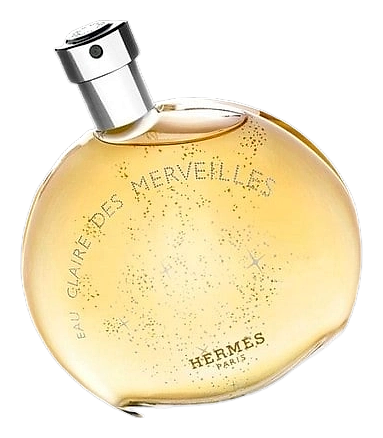
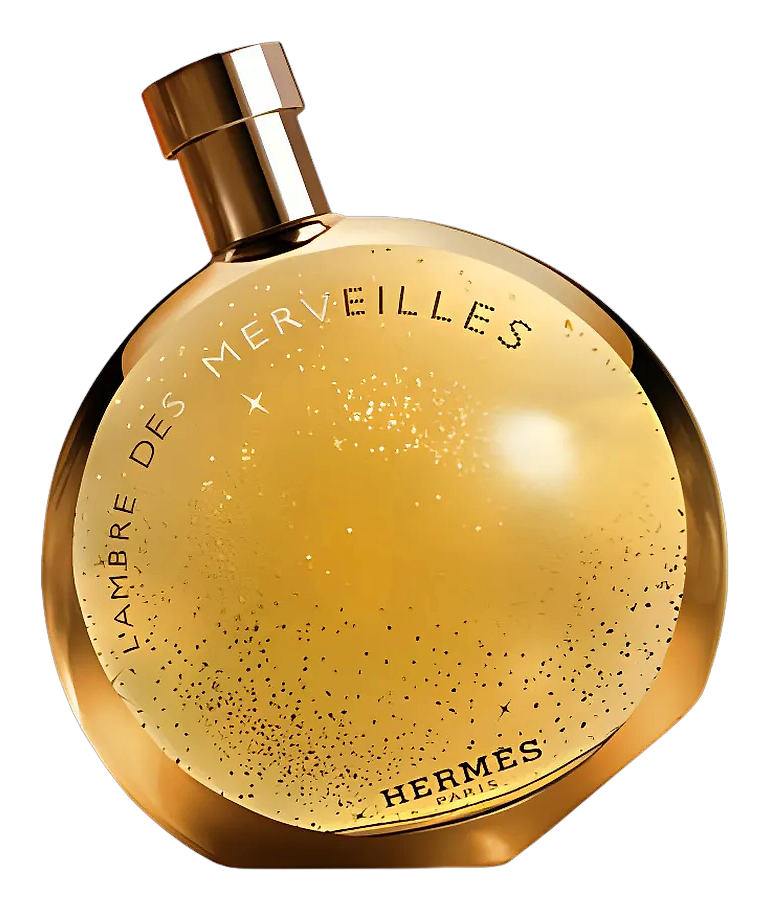
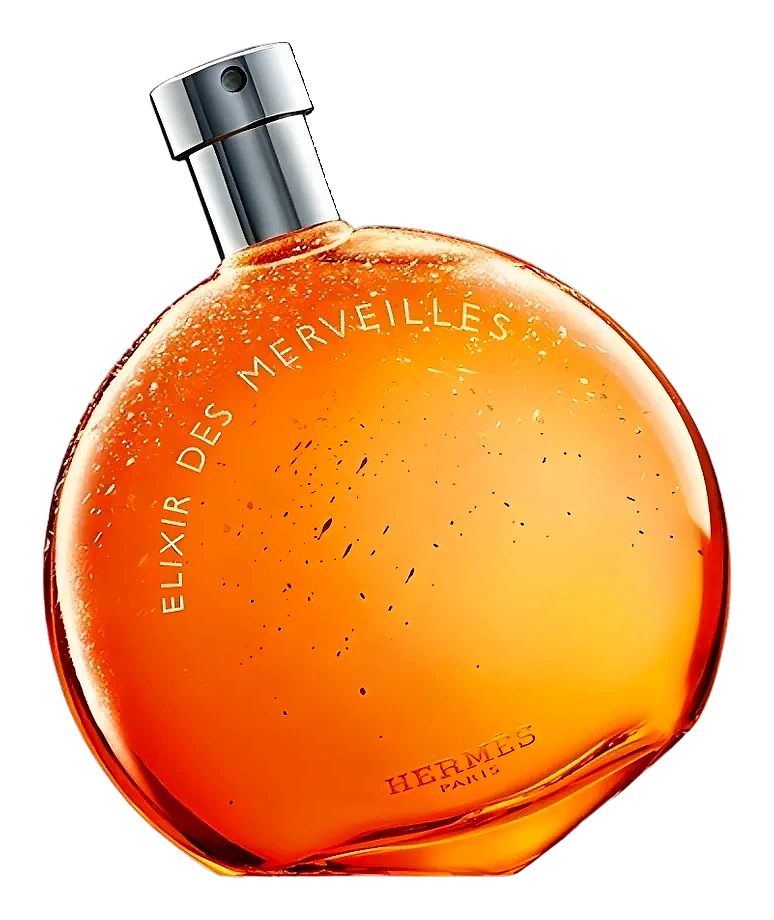
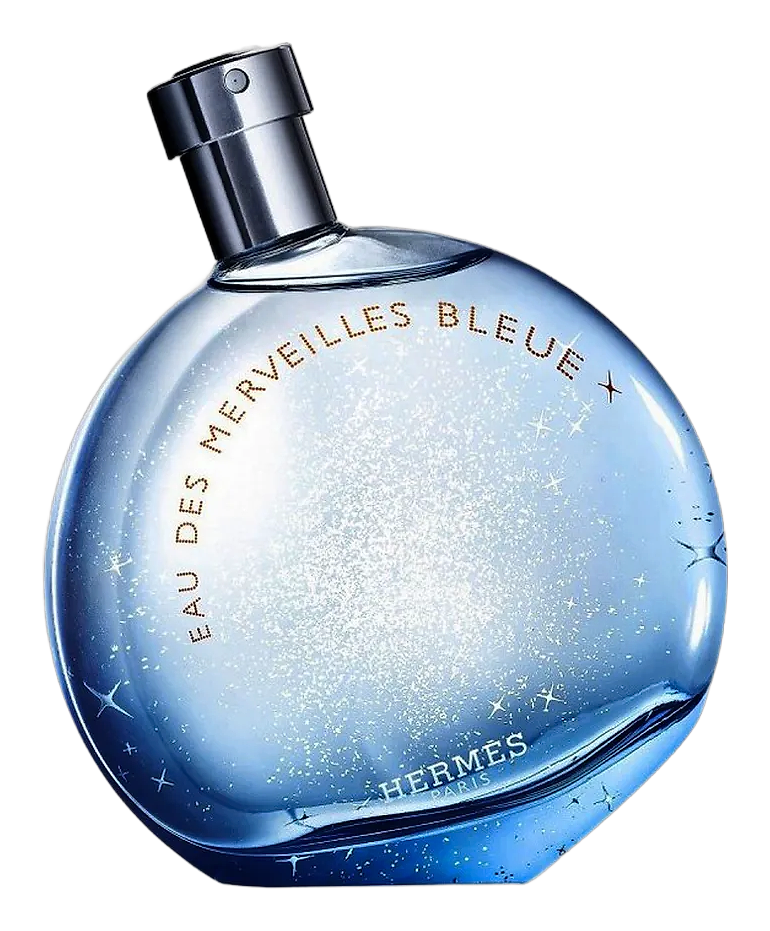
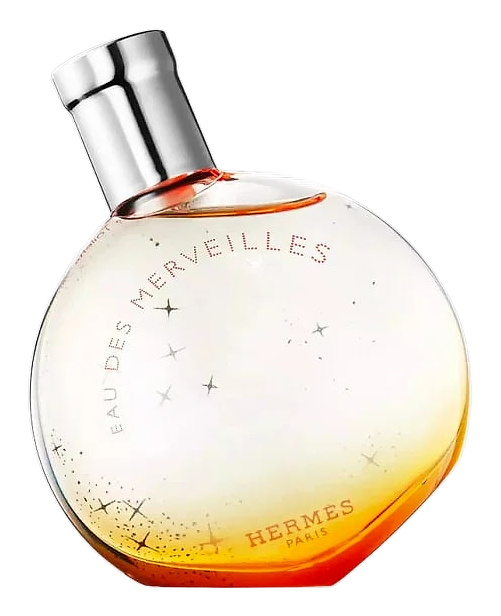
Eau des Merveilles arrived in 2004 as an idea turned inside out. Hermès asked Ralf Schwieger and Nathalie Feisthauer to build something from what was left when the obvious notes left the room: resin, salt-tinged ambergris, warm wood, the peppery spice of elemi. The name means "water of wonders," and the bottle was designed by Serge Mansau. It was a composition built on texture rather than ornament, on the dry crackle of elemi resin and the mineral warmth of ambergris that reads more like sea air on heated stone than anything traditionally floral. The woods underneath don't announce themselves as cedar or sandalwood; they arrive as a generalized warmth, a polished surface that holds everything else together.
What sets the composition apart is its honesty about texture. Schwieger didn't hide the elemi's peppery bite; he let it open the door. The ambergris isn't a whisper; it's a salt-warm mineral note that recalls sea air on heated stone rather than anything traditionally feminine. Benzoin arrives not as sweet resin but as a vanillic haze, a smudge of warmth rather than a gourmand dessert. Together they create something that feels composed rather than constructed.
The evolution
The first ten minutes are a sharp handshake. Bitter orange and elemi crackle together with a green-pepper warmth that almost reads as cologne. Within half an hour the citrus softens, and the elemi stretches out into something drier, spicier, more like smoldering frankincense than any tree. Around the two-hour mark the ambergris rises. Salt, skin, warmth. It settles into a clean woody base where benzoin lingers like the last sip of something warm. Six to eight hours later, on the inside of a wrist or the collar of a sweater, what remains is a close, soft, vanillic wood that smells faintly of someone who just left the room. It's not loud, but it absolutely stays.
Cultural impact
Eau des Merveilles arrived in 2004 as a deliberately unisex, salty-woody creation from perfumer Ralf Schwieger, and it marked a clear shift in how Hermès approached scent. The round bottle, designed by Serge Mansau, became one of the maison's most recognizable objects, its shape so distinctive that it could be identified by silhouette alone on a crowded vanity. The fragrance itself reads as an exploration of mineral and resinous materials rather than florals, and that choice gave it a particular kind of staying power in a market saturated with rose and jasmine.