
The Story
Why it exists.
The beginning
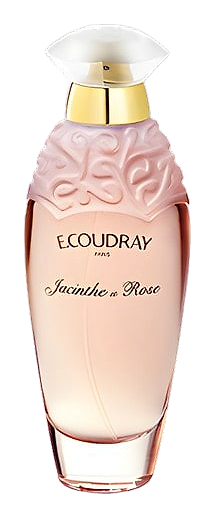
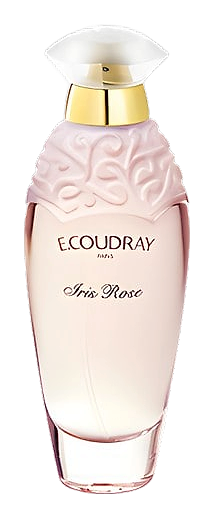
There are marriages that shouldn't work. Iris, the most reserved of flowers, paired with rose, the most obvious. E. Coudray has built a reputation on unlikely pairings, and Iris Rose, composed by Randa Hammami and released in 2012, reads like the house's quiet thesis: take two flowers everyone thinks they know, and let them embarrass themselves. Hammami built the composition around orris butter, the most expensive iris material in the perfumer's palette, and Bulgarian rose absolute. The house calls it a powdery floral. That's the polite version. What it actually means is restraint. Nothing announces itself. The iris and rose sit together like guests at a dinner party who already know each other's worst stories, so there's no posturing, no grand entrance.
Orris butter deserves a moment of attention. It's the root of the iris plant transformed into a dense, fatty solid that carries a powdery, violet-stained character somewhere between cold lipstick and suede. Pairing it with Bulgarian rose absolute creates a hush. Nothing screams. Both ingredients carry their own powdery weight, so instead of competing they stack, layer upon layer, like cold cream over face powder. Heliotrope joins the conversation, sweet and faintly marzipan-edged, working against any soapy tendency the iris might drift toward.
The evolution
The opening feels like stepping into a cold room full of face powder. Violet leaf cuts through, green and slightly impatient, and the iris reads as mineral, almost metallic. Then the rose arrives, Bulgarian and full-bodied, and the composition warms by a single degree. The heart stage is where this fragrance earns its name. Orris butter and heliotrope blur together into something that smells like expensive tissue paper pressed against warm skin. Not sweet. Not floral in any obvious way. Closer to the inside of a vanity case. By hour two, the powder has settled into a soft musk-vanilla blanket. The labdanum shows up quietly, lending a faint resinous shadow that keeps the sweetness from going cloying. Patchouli is barely there, a grounding wire under everything.
Cultural impact
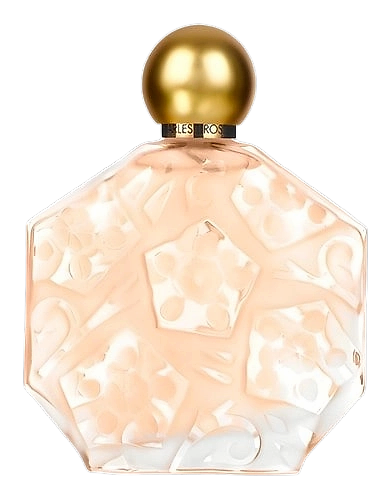
Wears like private property. The kind of iris that draws the right kind of attention: never loud, never anonymous. Fans of Ombre Rose by Brosseau or Juliette Has a Gun's Romantina will recognize the powdery-rose lineage. The fragrance exists for people who want their iris without the current crop of minimalist marketing campaigns attached. Iris Rose reads as a piece written for the wearer, not the room. It's the difference between a vintage silk scarf and a new one printed to look vintage. Anyone who has worn powdery florals through decades of shifting tastes will recognize the grammar.
The House
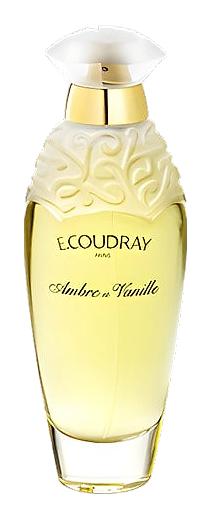
E. CoudrayE. Coudray is a Parisian perfume house that has been creating refined fragrances for nearly two centuries. Founded in the early 1820s, the brand blends the scientific rigor of its founder, Edmond Coudray, with the artistic sensibilities of French court perfume traditions. Its portfolio includes historic classics such as Ambre et Vanille (1935) and contemporary releases like Iris Rose (2012). The house remains family‑run, emphasizing discreet elegance over flash, and it supplies its scents to a niche of connoisseurs who value subtlety and heritage.
The Creator
Randa HammamiHammami favors rich floral compositions, with rose, iris, and orchid appearing prominently in her work. She pairs these with warm oriental bases, often incorporating incense and vanilla for depth.