The Story
Why it exists.
The beginning
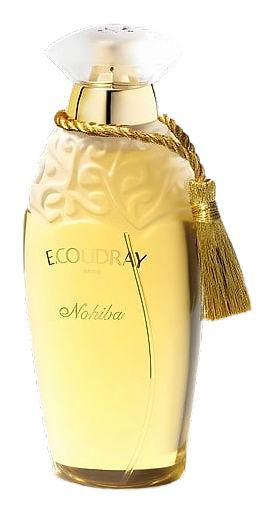
Musc et Freesia arrived in 2002, composed by Christophe Raynaud. The name points to two ideas the perfumer wanted to braid together: the soft, almost-skin intimacy of musk, and the dewy, green-edged clarity of freesia, a flower notoriously difficult to render in scent. Rather than chase the freesia note head-on, Raynaud reached for raspberry leaf at the opening, a green, almost botanical pivot that frames the floral heart with something cooler and less sweet. The musk underneath the whole construction gives the composition its quiet gravity, a low humming note that anchors the airier materials without ever making itself obvious.
What makes the structure interesting is what it refuses to do. The aldehydes are present but never brassy. The raspberry leaf brings a green, slightly fizzy edge that one reviewer compared to something between sparkling water and crushed stems, unusual territory for a fragrance built around such traditional florals. And the musk in the base is the white, soapy, almost-clean kind, chosen for its ability to powder the composition down rather than warm it up. There's no vanilla anchor, no heavy resin, no obvious sweetness to lean on. Every element pulls toward clarity, which means the fragrance has to earn its softness through balance alone.
The evolution
The first twenty minutes are the cool, almost fizzy part. Aldehydes lift the opening into something that reads like cold air moving across clean fabric, and the raspberry leaf underneath keeps it green, a little vegetal, never sugary. There's a crispness to the opening that feels deliberate, a kind of editorial restraint where the aldehydes do their bright work without ever tipping into the soapy or the harsh. By the thirty-minute mark the aldehydes have settled and the florals take over: freesia, lily, peony, cyclamen, all soft and slightly translucent, like white petals held up to a window. The composition doesn't bloom so much as breathe. The freesia carries its usual cool-water clarity, but the lily adds a creamy undertone that rounds out the sharpness, and the peony softens everything further with its gentle, almost-fruity hush.
Cultural impact
Musc et Freesia sits comfortably in the lineage of floral-musks that prioritize intimacy over projection. It's not a statement fragrance and doesn't try to be one. The kind of composition that earns its place in a rotation through understatement rather than spectacle. Floral-musks of this register tend to appeal to wearers who already have a sense of what they want from a fragrance and aren't looking to be surprised by volume or unusual accords. Musc et Freesia speaks to that sensibility: a scent that works best when you forget you're wearing it and only remember when someone close leans in and asks.
The House
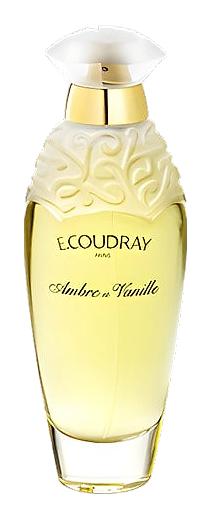
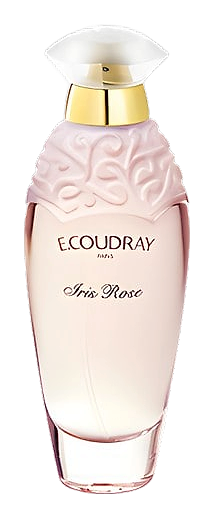
E. CoudrayE. Coudray is a Parisian perfume house that has been creating refined fragrances for nearly two centuries. Founded in the early 1820s, the brand blends the scientific rigor of its founder, Edmond Coudray, with the artistic sensibilities of French court perfume traditions. Its portfolio includes historic classics such as Ambre et Vanille (1935) and contemporary releases like Iris Rose (2012). The house remains family‑run, emphasizing discreet elegance over flash, and it supplies its scents to a niche of connoisseurs who value subtlety and heritage.
The Creator
Christophe RaynaudWhile it's difficult to pinpoint a single defining characteristic across all of Raynaud's creations, there's often a sense of balance and sophistication. He's not necessarily known for overly avant-garde or challenging compositions; instead, he seems to favor well-structured f…