The Story
Why it exists.
The beginning
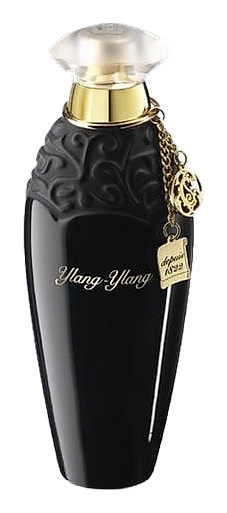
Ylang-Ylang arrived in 2016 as a declaration within the E. Coudray house vocabulary. While other houses had explored ylang-ylang as a tropical accent or a brief sparkling top note, Coudray's version made it the centerpiece, a slow-blooming heart wrapped in iris powder and a quietly woody base. The timing felt deliberate: a house that had spent nearly two centuries perfecting restraint, placing something opulent and heady at the center of its composition. The choice of ylang-ylang wasn't subtle, but the treatment was.
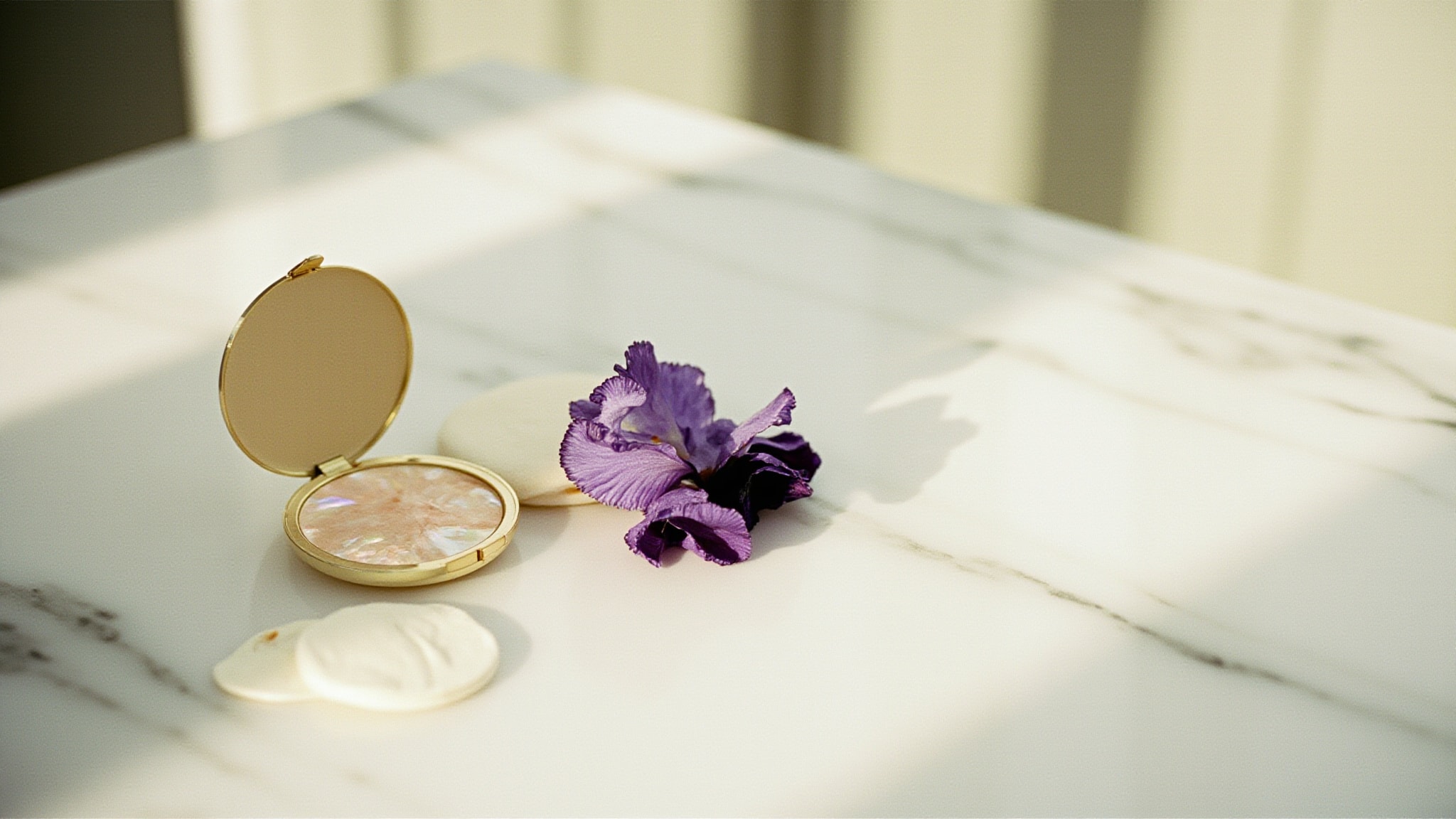
What makes this composition interesting is the tension between ylang-ylang's natural exuberance and the corrective forces around it. Iris doesn't just add powder, it reframes the ylang-ylang, giving it a cool, slightly metallic edge that prevents it from becoming cloying. The spices in the opening aren't aggressive; they're atmospheric, the way a warm room smells when someone has been cooking nearby. By the time the sandalwood and vetiver arrive in the base, the fragrance has traveled from tropical exuberance to something more private, more worn-in.
The evolution
The opening arrives softly. Spices unfurl without sharpness, cardamom, perhaps a hint of something warmer, and the ylang-ylang is already present, a creamy floral note that doesn't announce itself. Within twenty minutes, the iris begins to assert itself. The rose emerges quietly, lending structure without sweetness. This is the heart of the fragrance: powdery, floral, and somewhat aloof. It holds for hours. By the time the drydown arrives, the ylang-ylang has receded into the background, leaving behind vetiver, sandalwood, and a faint trace of powder. On fabric, the base notes linger into the next day, a quiet reminder rather than a statement.
Cultural impact
Ylang-Ylang fills a particular niche in the floral landscape: it offers the tropical warmth of its namesake flower but filtered through a French sensibility that prizes powdery restraint. Wearers describe it as a sophisticated alternative to sweeter ylang-ylang fragrances, closer in spirit to vintage iris compositions than to modern tropical florals. It attracts those who appreciate the house's understated approach, people who want to smell like they know something rather than smell like they're trying to.