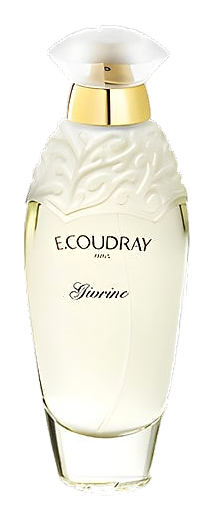
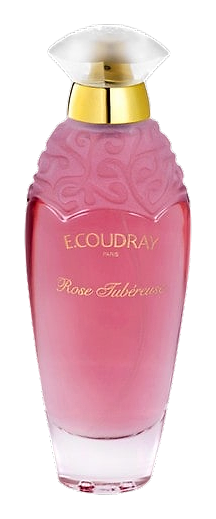

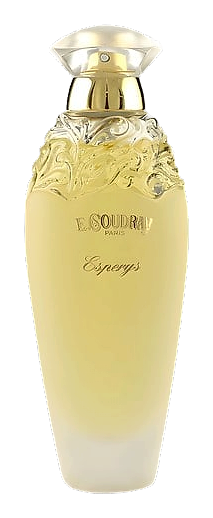
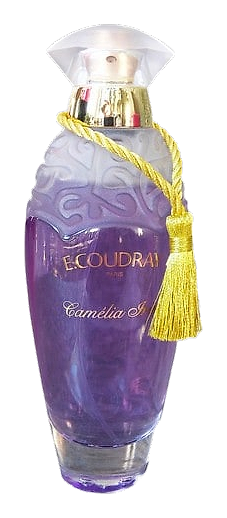
The Heritage
The Story of E. Coudray
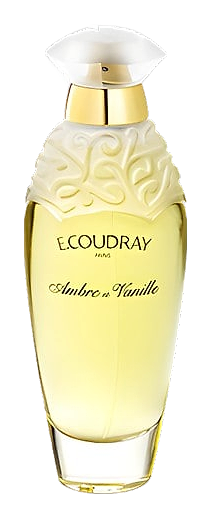
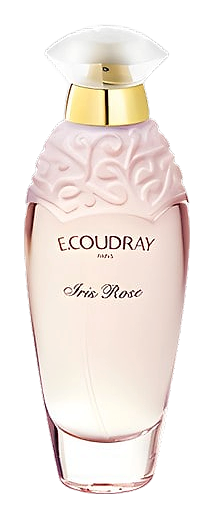
E. Coudray is a Parisian perfume house that has been creating refined fragrances for nearly two centuries. Founded in the early 1820s, the brand blends the scientific rigor of its founder, Edmond Coudray, with the artistic sensibilities of French court perfume traditions. Its portfolio includes historic classics such as Ambre et Vanille (1935) and contemporary releases like Iris Rose (2012). The house remains family‑run, emphasizing discreet elegance over flash, and it supplies its scents to a niche of connoisseurs who value subtlety and heritage.
Heritage
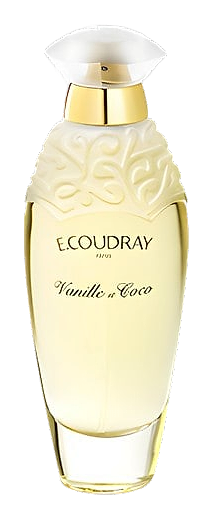
The story of E. Coudray begins with a modest shop called M. Maugenet & E. Coudray, which opened in Paris around 1810. Edmond Coudray, a doctor‑chemist, used his training to experiment with aromatic extracts while traveling abroad, bringing back raw materials from the Mediterranean and the Indies. In 1822, during the reign of Louis XVIII, the partnership formalized a dedicated perfume house under the Coudray name. Contemporary accounts note that the new workshop supplied scented waters to several members of the French aristocracy, a practice that cemented the brand’s reputation for courtly refinement. Throughout the 19th century, E. Coudray expanded its catalogue, introducing floral compositions that echoed the Romantic era’s fascination with nature. By the 1880s the house had opened a boutique on Rue de la Paix, a street known for luxury trades, and it began exporting small batches to the United Kingdom and the United States. The early 20th century saw the launch of Ambre et Vanille (1935), a warm, resinous fragrance that survived the upheavals of World War II and became a reference point for later generations. During the German occupation of Paris, the workshop continued to operate on a reduced scale, preserving its original formulas and protecting its stock of rare essential oils. After the war, the company returned to full production, adding modern touches while respecting the original methods. The 1970s and 1980s marked a period of renewal; the house revived forgotten scents such as Givrine (1950) and introduced new creations like Vanille et Coco (1989). In 2012, E. Coudray released Iris Rose, a contemporary take that combined classic iris with a fresh rose accord, demonstrating the brand’s ability to speak to modern tastes without abandoning its heritage. In recent years the house has embraced digital platforms to reach a global audience, yet it continues to manufacture its perfumes in a small atelier in the 9th arrondissement. The continuity of location, technique, and family stewardship links the present day to the original laboratory where Edmond Coudray first blended aromatic compounds more than two hundred years ago.
Craftsmanship
Every E. Coudray perfume originates in a small Parisian atelier where a handful of artisans blend the oils by hand. The process begins with the selection of raw materials, many of which arrive from long‑standing partnerships in Grasse, Madagascar, and the Middle East. The house favors natural extracts, using steam distillation for citrus and enfleurage for delicate florals when the ingredient permits. Synthetic aroma chemicals are employed sparingly, only when they can faithfully reproduce a note that would otherwise be unavailable or unsustainable. Once the raw ingredients are gathered, the master perfumer creates a trial formula on blotter paper, adjusting ratios over several days. The formulation is then transferred to glass vessels for maceration, a period that can last from a few weeks to several months depending on the composition. During maceration the mixture rests in a temperature‑controlled cellar, allowing the volatile and base notes to integrate fully. After this resting phase, the perfume is filtered through fine muslin and transferred into the final bottle. Quality control is rigorous. Each batch undergoes organoleptic testing by a panel of senior perfumers who verify that the scent matches the original brief. The house also conducts stability tests, exposing samples to light and heat to ensure that the fragrance retains its character over time. Bottles are hand‑filled using stainless‑steel pumps to avoid contamination, and each cap is sealed with a waxed cork that bears the house’s monogram. The final product is boxed in a simple, matte paper wrap that protects the bottle while reflecting the brand’s understated aesthetic. This combination of artisanal skill, scientific oversight, and respect for ingredient provenance defines the house’s commitment to consistent, high‑quality perfume.
Design Language
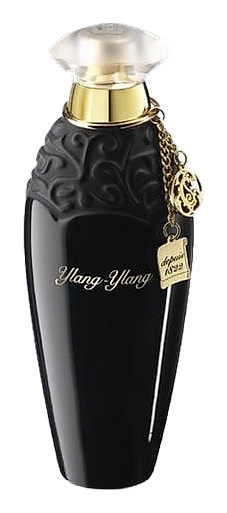
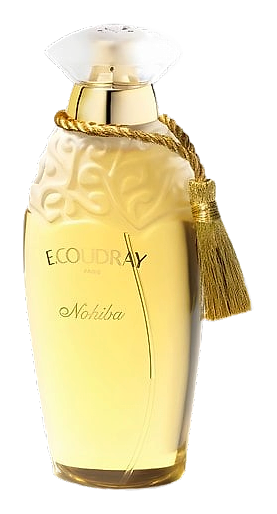
The visual language of E. Coudray mirrors its olfactory restraint. Bottles are typically cut from clear or lightly frosted glass, allowing the natural hue of the perfume to show. The silhouette is straight‑lined, often with a slender neck that suggests a classic laboratory flask. Caps are made of brushed metal or natural cork, each stamped with the house’s initials in a modest serif font. Labels are printed on heavyweight paper, using black type on a cream background; no excessive ornamentation appears, reinforcing the brand’s focus on substance over spectacle. Packaging colors draw from the fragrance itself: amber‑toned bottles for warm, resinous scents; soft pinks for floral compositions; and deep greens for woody or aromatic releases. The brand’s promotional imagery favors muted interiors, such as a wooden dressing table or a vintage vanity mirror, rather than glossy studio sets. Photographs often show the perfume beside a single rose, a sprig of lavender, or a candle, emphasizing the intimate setting in which the scent is meant to be experienced. This aesthetic consistency extends to the brand’s website, where clean typography and generous white space let the product images breathe. The overall visual identity conveys a sense of quiet refinement, inviting the consumer to view the perfume as a personal artifact rather than a mass‑market commodity.
Philosophy
E. Coudray approaches perfumery as a quiet dialogue between scent and memory. The brand believes that a fragrance should act as a personal ritual rather than a public statement. This perspective drives a focus on balance, restraint, and the subtle interplay of ingredients. The house values scientific precision, a legacy of Edmond Coudray’s chemistry background, and pairs it with an artistic respect for the natural character of each raw material. Rather than chasing trends, the creators listen to the olfactory language of the ingredients themselves, allowing a rose to reveal its own shade or an amber to unfold at its own pace. Sustainability enters the conversation through careful sourcing; the house prefers suppliers who can provide traceable, ethically harvested botanicals. Transparency about formulation is also part of the ethos, with many bottles carrying a brief note on the primary accords. Ultimately, E. Coudray seeks to craft scents that feel timeless, inviting wearers to pause, reflect, and experience a moment of quiet luxury.
Key Milestones
1810
Edmond Coudray and M. Maugenet open a small perfume shop in Paris, introducing scientific methods to fragrance creation.
1822
The partnership formalizes the E. Coudray house during the reign of Louis XVIII, establishing a dedicated workshop for perfume production.
1935
Launch of Ambre et Vanille, a warm resinous fragrance that becomes a reference point for the brand’s mid‑century line.
1978
Re‑issue of the classic Nohiba, originally created in the 19th century, demonstrating the house’s commitment to preserving historic formulas.
2012
Introduction of Iris Rose, a modern composition that blends classic iris with fresh rose, marking the brand’s contemporary renewal.
At a Glance
Brand profile snapshot
Origin
France
Founded
1822
Heritage
204
Years active
Collection
1
Fragrances released
Avg Rating
4.0
Community sentiment
Release Rhythm


