The Story
Why it exists.
The beginning
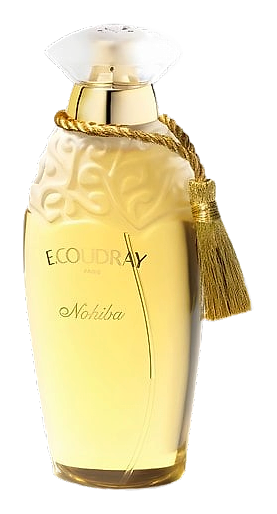
Nohiba first arrived in 1978, when the perfume world was still learning to reconcile opulence with restraint. The name itself carries a certain mystery, hinting at layers without quite revealing them. The fragrance from E. Coudray created something that didn't quite fit the mold of its era. Warm, resinous top notes give way to a heart where florals bloom quietly, never overwhelming, while the dry down settles into a soft, enveloping base. The 2016 relaunch brought it back in limited quantities, only 2000 bottles, preserving what the original understood: that a fragrance can hold contradictions without breaking a sweat. On skin, the opening offers a brief citrus brightness before the composition deepens, revealing itself slowly over hours rather than minutes.
What makes Nohiba's architecture worth studying is the way the heart note doesn't arrive, it unfolds. The jasmine and ylang-ylang don't announce themselves so much as they expand, filling the space the citrus opened. Cloves anchor the middle with a spiced warmth that pushes against the florals, creating tension that the woody base eventually resolves into something seamless. It's a composition that trusts patience, that believes the wearer will wait for the payoff.
The evolution
The first thirty minutes belong to the citrus, bergamot and lemon cutting bright and cool against the skin. Then the pink pepper arrives, not as heat but as texture, a slight prickle that announces the transition. The heart takes its time. Jasmine rises first, then ylang-ylang joins like a second voice learning the melody. Rose appears late, almost as an afterthought, and that afterthought is everything, it softens the clove without diluting it. By hour three, the base notes have settled into something warm and certain: patchouli's earth, sandalwood's cream, cedar's quiet authority. White musk threads through everything, keeping the drydown close to the skin rather than projecting it outward. Eight hours later, the sandalwood is all that remains, faint, intimate, like a room someone left an hour ago.
Cultural impact
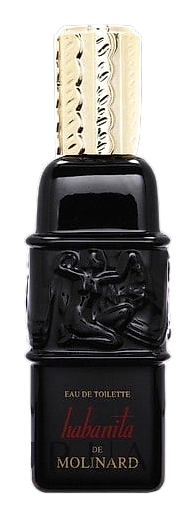
Nohiba occupies an unusual position: born in 1978, it carries that era's confidence in bold perfumery without succumbing to excess. The fragrance manages to feel both timeless and specific, a quality that makes it stand apart from many of its contemporaries. Comparisons to Opium and Habanita place it in the company of perfumes that defined a certain aesthetic, though Nohiba's character sets it on a different path entirely. The 2016 relaunch brought renewed attention to a scent that had remained available throughout the intervening decades, offering both longtime fans and newcomers a chance to experience its particular balance.