The Story
Why it exists.
The beginning
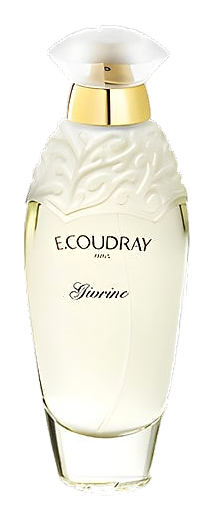
Givrine arrived in 1950, crafted by perfumer Evelyne Boulanger for the house of E. Coudray. At a moment when French perfumery was expanding into new territory, aldehydes, chypres, the grand theatrical fragrances, Boulanger took a different direction. She built a floral around white flowers and powder, anchored by something quieter than spectacle. The name itself suggests a French clarity: crisp air, morning light, something already in order. Givrine was never meant to overwhelm a room. It was meant to arrive.
The combination of lily-of-the-valley and gardenia is where Givrine earns its reputation. Lily-of-the-valley is notoriously difficult to capture, its scent is fleeting, almost translucent. Gardenia brings the creaminess that keeps it from disappearing. Together they create a powdery bloom that doesn't announce itself but lingers like memory. Violet adds a quiet sweetness. Peony, its petals heavy with something almost romantic. The heart of Givrine is that rare thing: a white floral that feels refined rather than loud.
The evolution
The opening is the most citrus-forward moment: bergamot and kumquat cutting sharp and clean, with watermelon lending a dewy softness to the citrus. It doesn't linger, within twenty minutes the florals begin their slow take-over. Lily-of-the-valley arrives first, softening everything, then gardenia bringing something richer. The heart is powdery: violet dust catching light, peony's petals heavy with their own quiet weight. The drydown pulls back to skin itself. Musk and cedar, sandalwood's cream, patchouli's depth. Six hours of that intimate whisper. Spray a scarf and you'll find it again the next morning, white florals dissolving into the warmth of fabric, wood and musk holding on longest.
Cultural impact
Givrine sits comfortably in the lineage of classic French florals, quieter than Guerlain, less theatrical than Dior, but sharing that same restraint. It's the kind of fragrance worn by someone who doesn't need to be noticed. The powdery-floral structure puts it in conversation with contemporaries from other heritage houses, but its lightness sets it apart. Where others leaned into richness, Givrine kept it airy. The citrus-floral-woody arc is recognizable to fans of refined European perfumery, but the execution is distinctly its own: spring morning clarity, not summer evening weight.