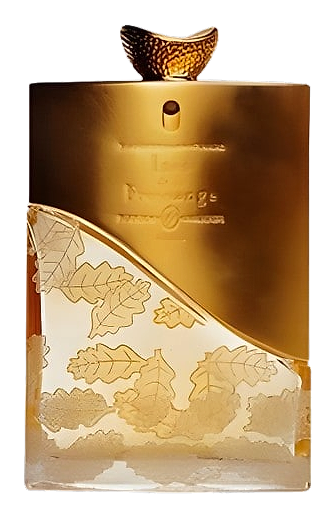

The Story
Why it exists.
The beginning
Alberto Morillas crafted this fragrance in 2004, a time when floral-fruity compositions were flooding the market. The result is a composition built on clarity, citrus that opens clean, florals that never overwhelm, a base that settles rather than lingers loudly. The citrus opening arrives crisp and immediate, brightening the senses without sharpness. The florals that follow feel translucent, layered with a delicacy that lets each element breathe. There is a quality of transparency throughout that keeps the composition feeling airy and refined. The base notes ground the fragrance with quiet warmth, soft woods and subtle musk creating a gentle foundation that complements rather than competes with the opening.
What makes the structure interesting is how Morillas handles the transition from bright opening to soft heart. Blackcurrant and bergamot create an initial clarity, but the peony and lily of the valley don't arrive as a dramatic shift, they emerge gradually, almost simultaneously, as if the fragrance were always this way. The white musk and benzoin base doesn't slam the composition closed; it simply recasts the florals in a warmer register, keeping the overall effect close and intimate rather than projecting outward.
The evolution
The opening hits clean, blackcurrant and neroli arriving together in a bright, almost dewy register. Mandarin orange adds a soft acidic edge, but it is the bergamot that ties it all together, preventing the fruit from becoming candy. As the citrus begins to recede, the peony comes forward, soft and powdery rather than blowsy. The lily of the valley appears as a supporting character, not a star, green and quiet. The white rose follows, lending a quiet romanticism to the composition. By the time the florals have settled, the white musk emerges, warm and powdery without becoming heavy. The vetiver and patchouli arrive last, barely perceptible, adding just enough earth to keep the sweetness honest. The drydown becomes intimate and skin-close, a scent that someone leaning in would catch, not one that preceded you into the room.
Cultural impact
Ines de la Fressange 2004 occupies a particular corner of French perfumery, the quietly confident fragrance that does not compete for attention. Its moderate sillage and intimate drydown make it the kind of scent someone notices only when they are close enough to lean in. The fragrance appeals to wearers who want elegance without announcement, a quality that sets it apart from more assertive compositions. It remains the kind of fragrance that reads as personal rather than performative, a quality that keeps people returning to it years after its debut.