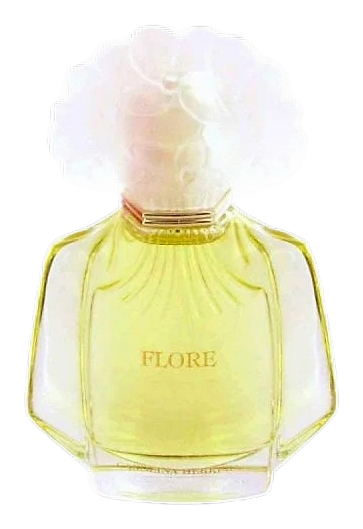

The Story
Why it exists.
The beginning
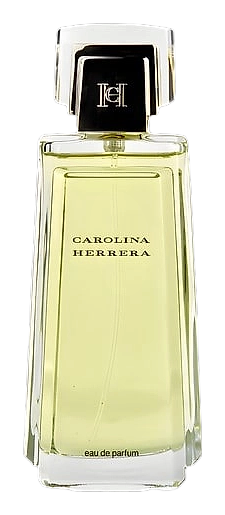
Flore arrived in 1994, created by Rosendo Mateu and Carlos Benaïm for Carolina Herrera. The name means flower, and that's precisely the point. This was a study in white florals taken seriously: not a bouquet of safe choices, but a composition built around lilac, lily of the valley, jasmine, and rose, all structured by the kind of aldehydic backbone that separates a classic from a crowd-pleaser. The Herrera house had already established itself as a purveyor of downtown New York glamour, bold, feminine, unapologetic. Flore was the fragrance that carried that energy into the garden.
The aldehydes do something unusual here. They don't just open the fragrance, they transform it. That initial brightness softens into something creamier as the lilac blooms, creating a hand-off between phases that feels intentional rather than accidental. Lilac itself is notoriously difficult to capture in perfumery; it tends to disappear on skin. Using it as a structural element, as Mateu and Benaïm did here, required confidence. The powdery iris that follows gives the florals something to lean against, a cool, elegant counterweight that keeps the composition from becoming too sweet. It's a slow reveal. The kind that asks you to be patient and then makes you glad you were.
The evolution
The opening is aldehydes first, that signature effervescence that lifts everything behind it. Bergamot and green notes follow, adding a crispness that feels garden-fresh rather than synthetic. Fruity notes appear briefly, there and gone, like a flash of color at the edge of a bloom. The heart is where Flore earns its name. Lilac leads, but lily of the valley, jasmine, and rose layer underneath in a way that keeps expanding. Iris appears twice, once in the heart for its powdery softness, once in the base for its lingering finish. By the time sandalwood and musk arrive, the florals have settled into something warm and close. The drydown isn't loud. It's the kind that stays near the skin for hours, then reappears when you least expect it.
Cultural impact
Flore has quietly endured as a signature for those who appreciate classic perfumery with modern sensibilities. It appears on best-of lists not because it's trendy, but because it represents an idea executed well, white florals treated with aldehydic structure, green freshness, and powdery elegance in a way that feels distinctly of its era yet enduring. For many, Flore fills a gap: the classic, powdery floral that existed before the niche boom changed everything.