





Heritage
A house, in its own words
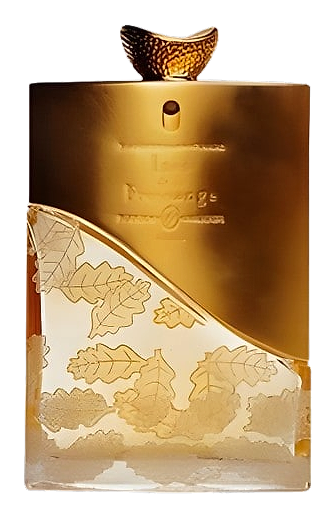
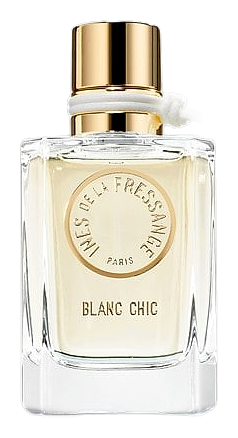
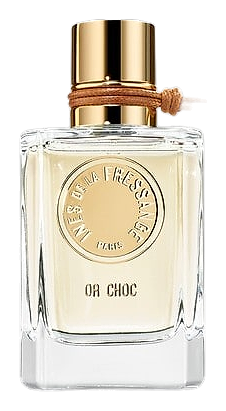
Ines de la Fressange began her modeling career in the late 1970s, quickly becoming one of the most recognizable faces in French fashion. She notably served as the face of Chanel during the 1980s, developing a close working relationship with Karl Lagerfeld. Her status as a style icon was cemented not just through modeling but through her ability to articulate an approach to dressing that felt both aspirational and attainable. In 2013, she re-established her eponymous brand, Ines de la Fressange Paris, building on her earlier work in fashion design. The fragrance arm of her business developed later, with the first scents appearing in 1999 and a significant expansion in 2019 when multiple new fragrances launched simultaneously. The brand positions itself around the idea of a complete wardrobe, where fragrance functions alongside clothing as part of a personal expression. Ines has spoken openly about her approach to scent as a collector and enthusiast, drawing inspiration from places she has traveled and colors she associates with specific memories. The Ines de la Fressange approach to fragrance centers on versatility and personal choice. Rather than promoting a single signature scent, the brand offers what it calls an olfactory wardrobe, a collection of perfumes designed to match different moments, moods, and seasons. This philosophy mirrors Ines's broader approach to fashion, which emphasizes practical elegance over trend-driven novelty. She has described wanting to help women find solutions that feel honest in terms of style, quality, and value. Her public commentary on fragrance often focuses on personal connection rather than technical achievement, positioning scent as an intimate part of daily life rather than a luxury statement. The brand's messaging consistently returns to the idea of confidence and ease, suggesting that good style should not require constant effort or expensive investment. Ines has identified several perfume houses she admires in Paris, including Les Salons du Palais Royal and Serge Lutens, indicating an appreciation for perfumery that leans toward narrative complexity and artistic intent.