The Story
Why it exists.
The beginning
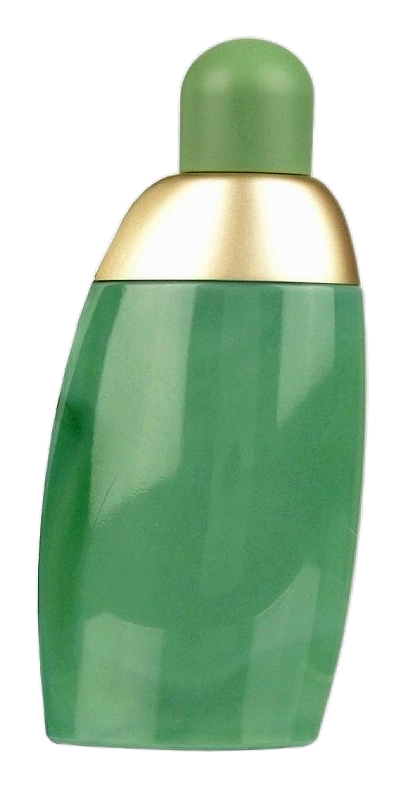
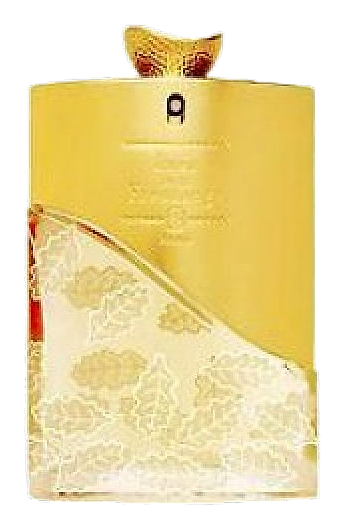
Calice Becker created this fragrance in 1999, at a time when the market was saturated with syrupy sweet florals and heavy orientals. The brief was simple: something different. Something that felt composed rather than performative. Ines de la Fressange herself has always stood apart from trend-driven fashion, favoring instead a kind of wardrobe thinking that prioritizes personal choice over novelty. This fragrance reflects that ethos exactly. Not loud. Not trying. Just quietly, undeniably elegant.
What makes this composition unusual is its refusal to behave like its era. The aldehydes arrive with lift and sparkle, but the heart never expands into something expansive or overwhelming. Carnation brings a hint of spice, ylang-ylang adds warmth, yet the dominant impression is powdery and refined. Iris and lily of the valley hold the composition together with an almost whispered elegance. There's no dramatic reveal, no theatrical drydown. The sandalwood and tonka bean simply appear, as if they've always been there. Benzoin lingers into the next day, a soft trace on warm skin.
The evolution
The opening announces itself with aldehydes, bright, effervescent, a lift that cuts through everything. Bergamot and Brazilian rosewood arrive together, warm and woody beneath the sparkle. Peach softens the edges. This phase lasts about thirty minutes before the aldehydes settle and the florals take over. The heart unfolds gradually. Carnation adds a spicy undertone, ylang-ylang brings warmth, but the dominant notes are iris and lily of the valley, powdery, clean, refined. Rose and jasmine provide classic floralcy without sweetness. The drydown takes its time. Sandalwood and tonka bean arrive softly, creating a creamy, slightly sweet warmth. Benzoin wraps everything in a soft balsamic finish that stays close to the skin for four to six hours. Moderate sillage throughout. Intimate, not broadcast. Someone has to get close to smell it. That's the point.
Cultural impact
The fragrance found its audience among those seeking something different from typical 1999 releases. Its powdery, aldehydic character offered warmth without sweetness, intimacy without projection. Discontinued but still sought after, it maintains a quiet following precisely because it occupies its own space, a floral-fruity that refuses to be gooey, expansive, or syrupy. That restraint is what makes it memorable.