
The Story
Why it exists.
The beginning
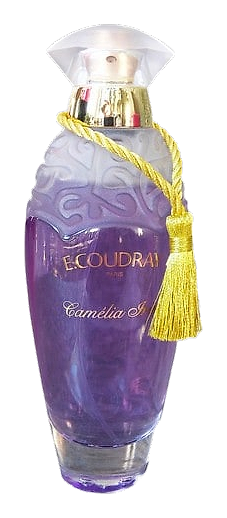
In 2015, E. Coudray returned to one of perfumery's most curious absences: the camellia. This bloom fills gardens and appears in poetry and art, yet carries no scent at all, a deliberate blank at the center of a beautiful flower. Rather than work around this gap, the house built Camelia Iris around it, constructing what nature withheld. The fragrance opens with cool iris powder and green freshness, layers in rose and violet for softness, and warms the base with carnation and ylang-ylang. It's a house philosophy in miniature: perfume as conversation, not declaration. Something imagined, made real.
The camellia's scentlessness becomes the creative challenge. E. Coudray constructs an olfactory presence from absolute nothing, pure imagination translated into powdery iris, dewy green notes, and the quiet warmth of rose and carnation. What does a flower smell like when it doesn't exist? The question is the point. The answer is Camelia Iris.
The evolution
The opening arrives crisp and dewy, lily of the valley cutting through with green freshness. It doesn't linger. Within the first hour, the iris asserts itself, cool and powdery, violet lending its velvety sweetness beneath. Rose and lavender arrive quietly, the heart settling into a soft, romantic floral that holds for a few hours. Then the drydown: carnation's subtle spice, ylang-ylang's tropical cream, the iris powder that refuses to leave. The trail stays close. Intimate. You'll catch it on your wrist the next morning.
Cultural impact
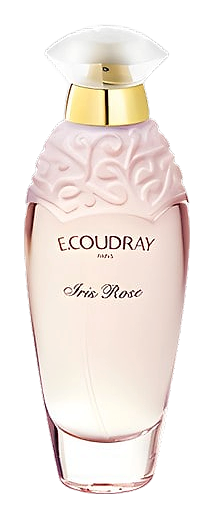
Camelia Iris arrived in 2015 as a modern companion to E. Coudray's 1946 Camelia fragrance, which has since been discontinued. The camellia's scentless nature, the flower exists visually but withholds its scent, makes it a provocatively abstract perfumery concept. The 2015 version leans into the house's powdery iris tradition, echoing Iris Rose from 2012. Community reception centers on its refined elegance and quiet character. The sillage is intimate by design, moderate projection that stays close to the skin rather than filling a room.