The Story
Why it exists.
The beginning
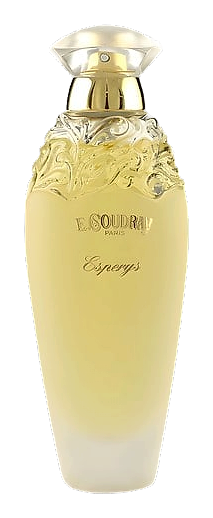
Gerard Anthony created Esperys for E. Coudray in 2007, working within a house that had spent nearly two centuries perfecting the art of restraint. The brief seems simple: a rose, a caramel warmth, something to last. But Anthony understood what makes E. Coudray different, that a strong idea doesn't need to announce itself. The name itself resists easy interpretation. Not quite French, not quite English. A word that belongs to no specific place, which means it can belong anywhere. That's the fragrance's true ambition, to find the universal in something deeply personal.
The rose-and-caramel combination carries real risk. Too much sweetness and you've made a dessert. Too little rose and the caramel floats without direction. The genius here is the patchouli and the woody notes in the base, they don't fight the sweetness, they argue with it, hold it accountable. Freesia brings a powdery softness that keeps the whole thing from feeling heavy-handed. It's a composition that trusts you to notice the restraint, not just the sweetness. Anthony built a rose that doesn't apologize for what it is, but also doesn't need to prove anything.
The evolution
The opening hits with green brightness and a quick pink pepper spark, bergamot from Calabrian groves doing what it always does, making everything that follows feel cleaner than it should. Thirty minutes in, the green recedes. The rose and caramel take over, but the freesia keeps things soft, almost powdery. The patchouli builds slowly, creeping into the heart like a bass note you didn't notice until it became essential. By hour three, you're in the drydown and it becomes clear why this lasts: vanilla and tonka bean create warmth, white musk keeps it intimate, and those woody notes make sure the sweetness never becomes cloying. On fabric, expect the vanilla to linger for a full day. On skin, plan for 8-10 hours before it becomes a memory you have to lean close to catch.
Cultural impact
Esperys occupied a specific niche: sweet enough for those who want warmth, grounded enough for those who want sophistication without excess. It was discontinued in 2018, then quietly revived as Caramel Blanc, a testament to the original formula's devoted following. The fragrance appeals to the wearer who's done with obvious choices but hasn't abandoned their love of classic florals entirely.