
The Story
Why it exists.
The beginning
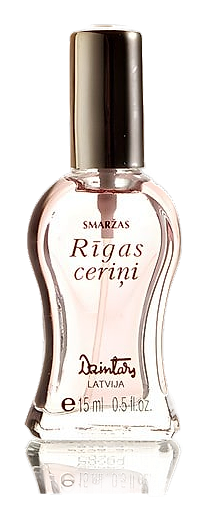
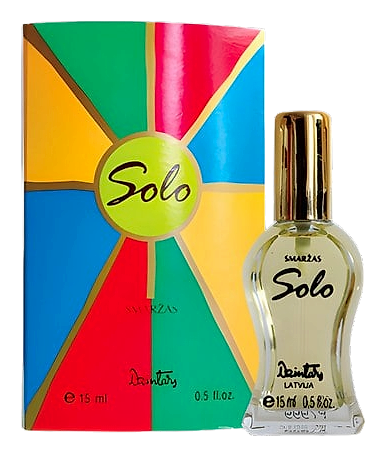
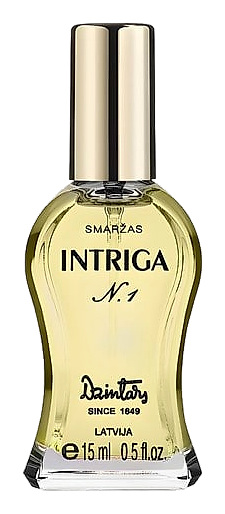
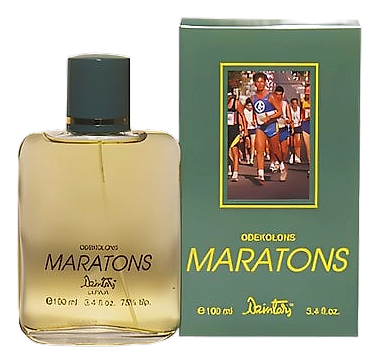
Maratons arrived from Dzintars, the Latvian house that has been blending in Riga since 1924, during a period when the Soviet-run perfume complex was producing men's fragrances on a scale few Western houses could match. The name, meaning "marathon" in Russian, suggests endurance rather than sprint: a composition built to outlast a full day rather than dazzle in the first hour. Dzintars built its reputation on accessibility and regional identity, and Maratons fits that brief. A chypre structured around patchouli, oakmoss, and a quietly animalic civet note, rooted in the aromatic-green tradition that defined men's perfumery through the mid-twentieth century. The launch year isn't recorded in available catalogs, placing it somewhere in the late Soviet era when Latvian perfume oils reached markets across Eastern Europe and a few curious collectors further west.
What's unusual here is the structural honesty. Most chypres of this era cushioned their moss-and-patchouli architecture behind heavier fougère aromatics. Maratons skips that padding and lets the chypre skeleton breathe. Tomato leaf at the top is a classical green note rarely paired with lavender and civet, and that odd tension gives the whole thing its slight unpredictability. The civet in the base is doing real work, adding a warmth that reads almost human against the cool moss, and the sandalwood underneath rounds the edges without smoothing them into something safe. It's a study in what happens when a house trusts its classic structure enough to skip the orchestral flourishes other brands would pile on.
The evolution
The opening announces itself before you're ready: tomato leaf and lemon hit in a cool, green wave that smells closer to a greenhouse than a cologne counter. Mint sits underneath, adding a clean sharpness that makes the first ten minutes feel almost bracing. Twenty minutes in, the lavender shows up, soft and slightly medicinal, and patchouli begins its slow takeover, earthy and dense without crossing into the hippie-incense territory it sometimes inhabits. By the forty-five-minute mark the composition has gone fully chypre: oakmoss wraps around the patchouli, vetiver pulls the whole thing a shade drier, and the air around you turns woody, mossy, grounded. The civet surfaces around the second hour, a warmth that reads almost skin-like, like someone else's body heat in the room. Five hours in, you're left with sandalwood and a trace of moss on fabric, the kind of drydown that wakes up the next morning when you pull your jacket off the chair. Moderate sillage, closer than most modern releases, but it doesn't need more room to do its work.
Cultural impact
Maratons sits firmly in the chypre-aromatic tradition that defined men's perfumery across the Eastern Bloc during the 1970s and 1980s, the kind of composition that found devoted wearers more through regional distribution than marketing. In communities where Dzintars bottles circulated as gifts and quiet status symbols, the name still carries weight. Among contemporary Western fragrance collectors, it draws interest as an artifact: a discontinued Soviet-era men's chypre with real animalic civet and classical oakmoss, the kind of formulation that modern regulations have quietly priced out of mass production.