The Story
Why it exists.
The beginning
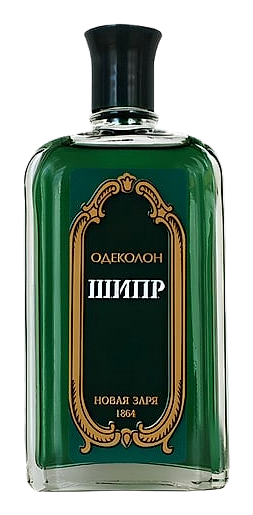
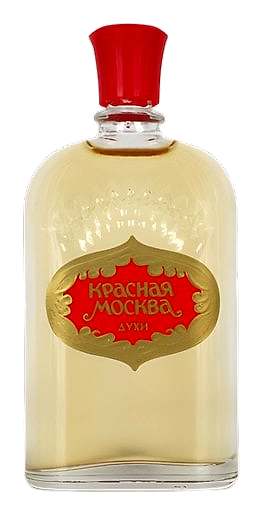
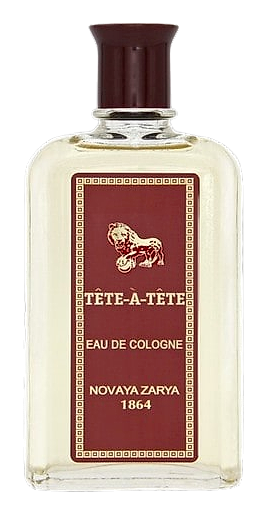
Tête-à-Tête comes from Novaya Zarya, a Moscow perfume house. The name means a private conversation between two people, the kind where nothing's performed. That's the brief: a cologne for close quarters, not grand entrances. The composition was built for intimacy: green, sharp, warm at the base, nothing that needs three feet of clearance to register. The opening hits with a bracing burst of citrus and herbaceous green notes, the kind of freshness that announces itself the moment it touches warm skin. There's something almost vegetable about it, a raw-cut quality that reads as crisp galbanum and bitter lemon zest rather than the polished bergamot found in many classic colognes.
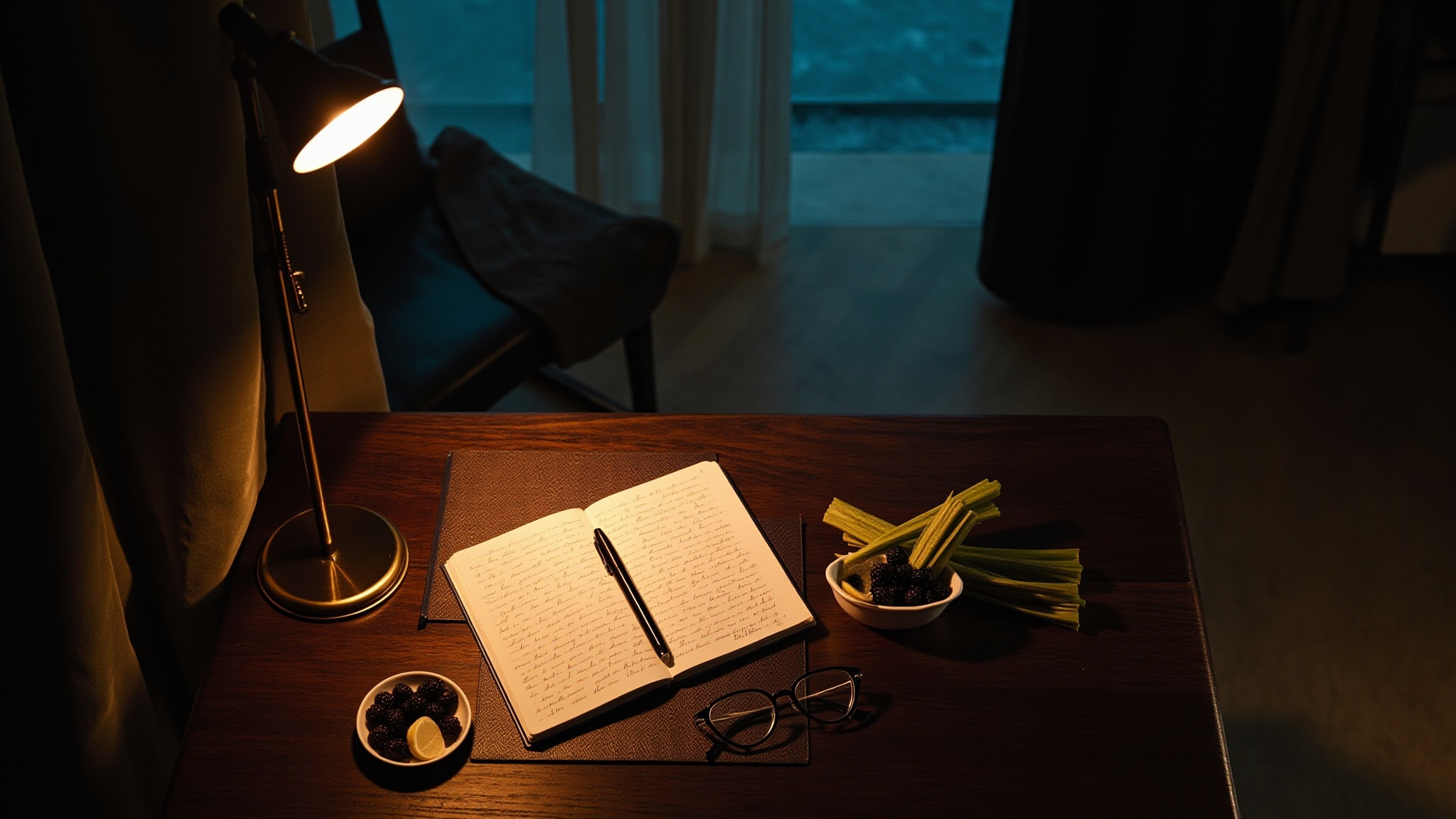
What makes Tête-à-Tête structurally interesting is the celery. It isn't decorative. It sits in the top notes alongside blackcurrant and anise, lending a vegetal bitterness you rarely encounter in mainstream masculine cologne. Most men's fragrances of that era leaned on lavender or citrus to do the opening work. Novaya Zarya chose celery, a note more common in kitchen gardens than in perfumery, and let it carry the first ten minutes. The anise reinforces it with a liquorice sweetness that reads as herbal rather than candy. By the time the florals arrive (ylang-ylang, jasmine, rose), you've already committed to something unusual.
The evolution
The opening hits within the first thirty seconds: celery's green bite, blackcurrant's tart sweetness, anise threading through like the memory of pastis. Mandarin adds a fleeting brightness before the green notes take full control. Around the twenty-minute mark, the sharpness softens. Ylang-ylang arrives first, dense and almost tropical, then jasmine and rose settle in, creating a floral heart that reads richer than most colognes attempt. This isn't the polite floral of a British lavender water. It's heavier, slightly indolic, warm. After two hours, the base takes over. Oakmoss anchors everything with its damp, earthy weight. Patchouli and vetiver add a dry, rooty undertone. Amber and vanilla smooth the edges, giving the drydown a sweet, resinous warmth that lingers on skin for four to six hours. On fabric the next morning: vanilla and oakmoss, quiet, still present.
Cultural impact
Tête-à-Tête wears its Soviet-era origins quietly. It's not a fragrance that name-drops fashion weeks or celebrity faces. The kind of cologne that shows up in a grandfather's bathroom cabinet and never gets replaced. Wearers describe it as the scent of someone who doesn't need to explain themselves: green, sharp, warm at the base, built for close quarters rather than grand entrances. It sits closer to classical European chypres than to modern aquatic or gourmand trends, which makes it a quiet rebellion against the current cologne landscape.