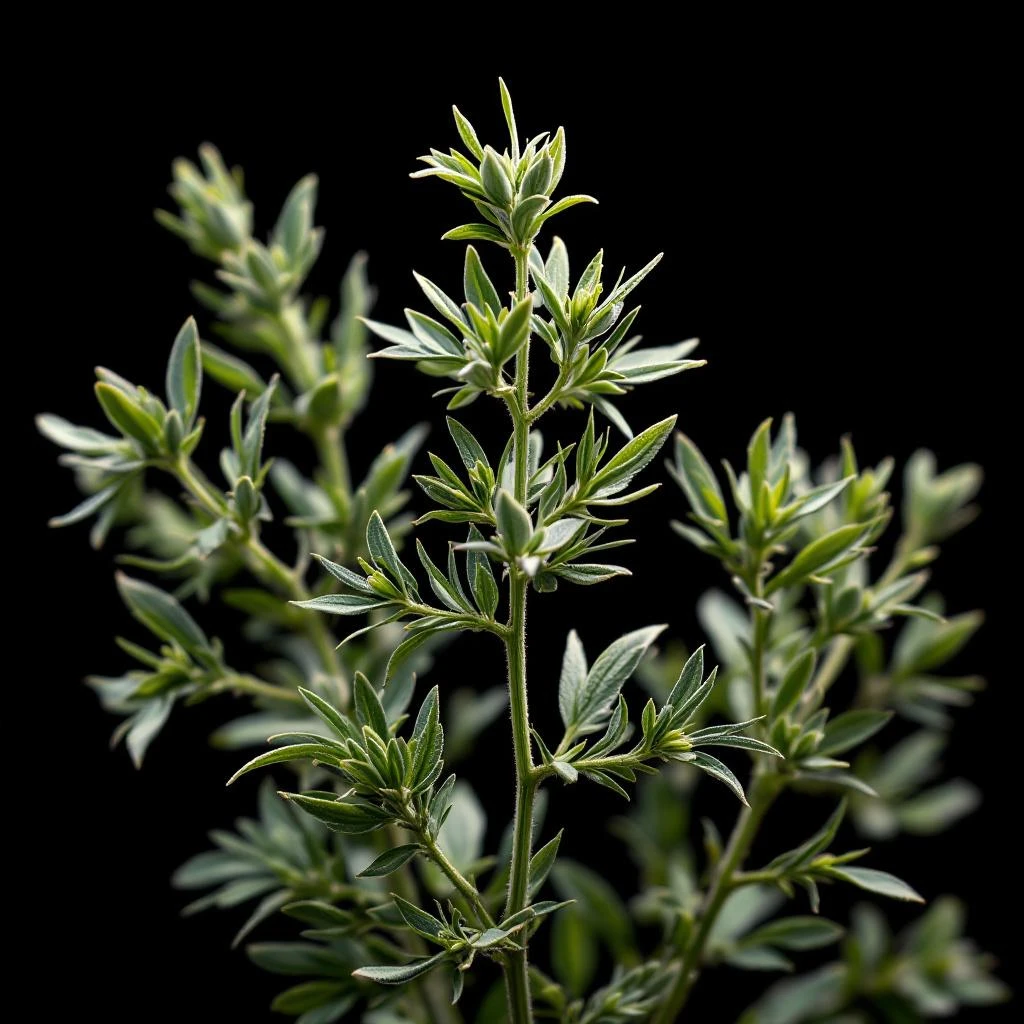
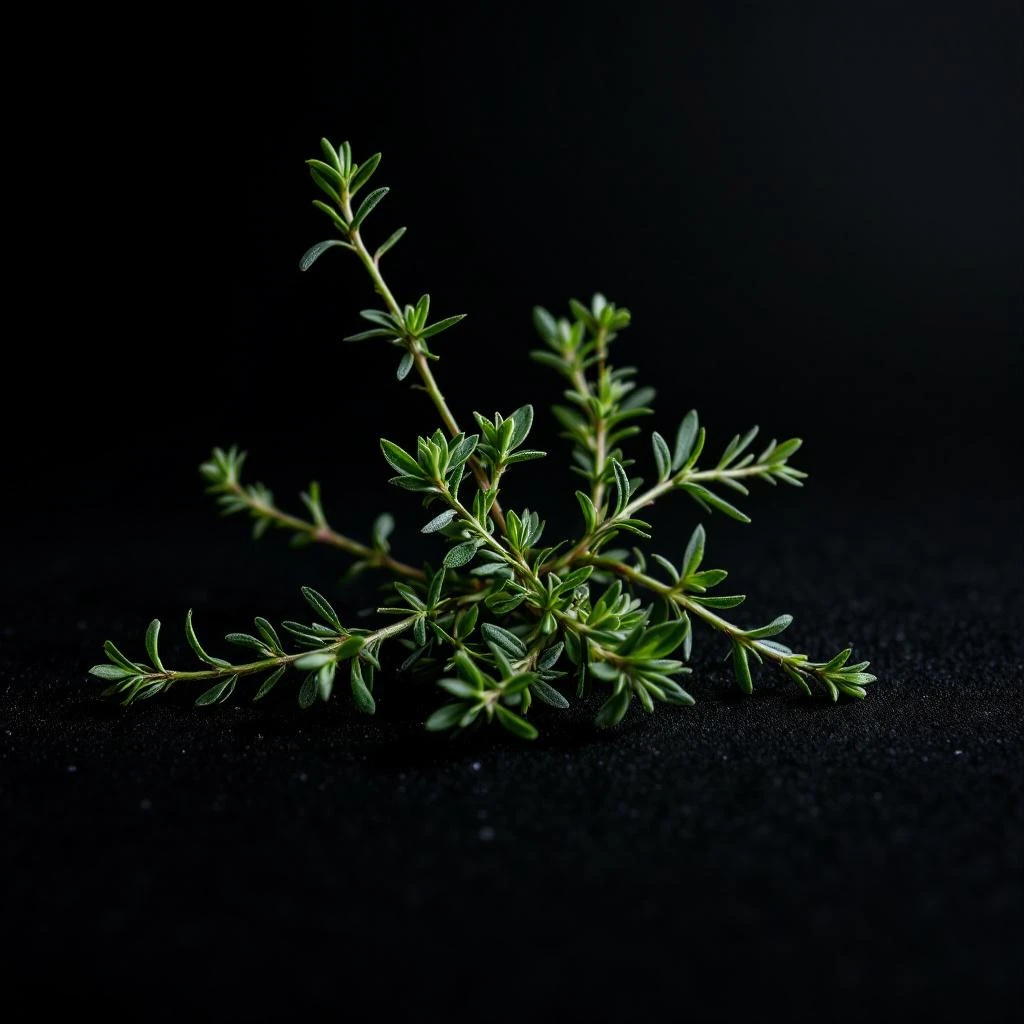
Celery
Celery seed brings an unexpected green, herbal depth to fragrances. This vegetable note cuts through sweetness, adding a crisp, natural quality that grounds compositions with subtle vegetable warmth.
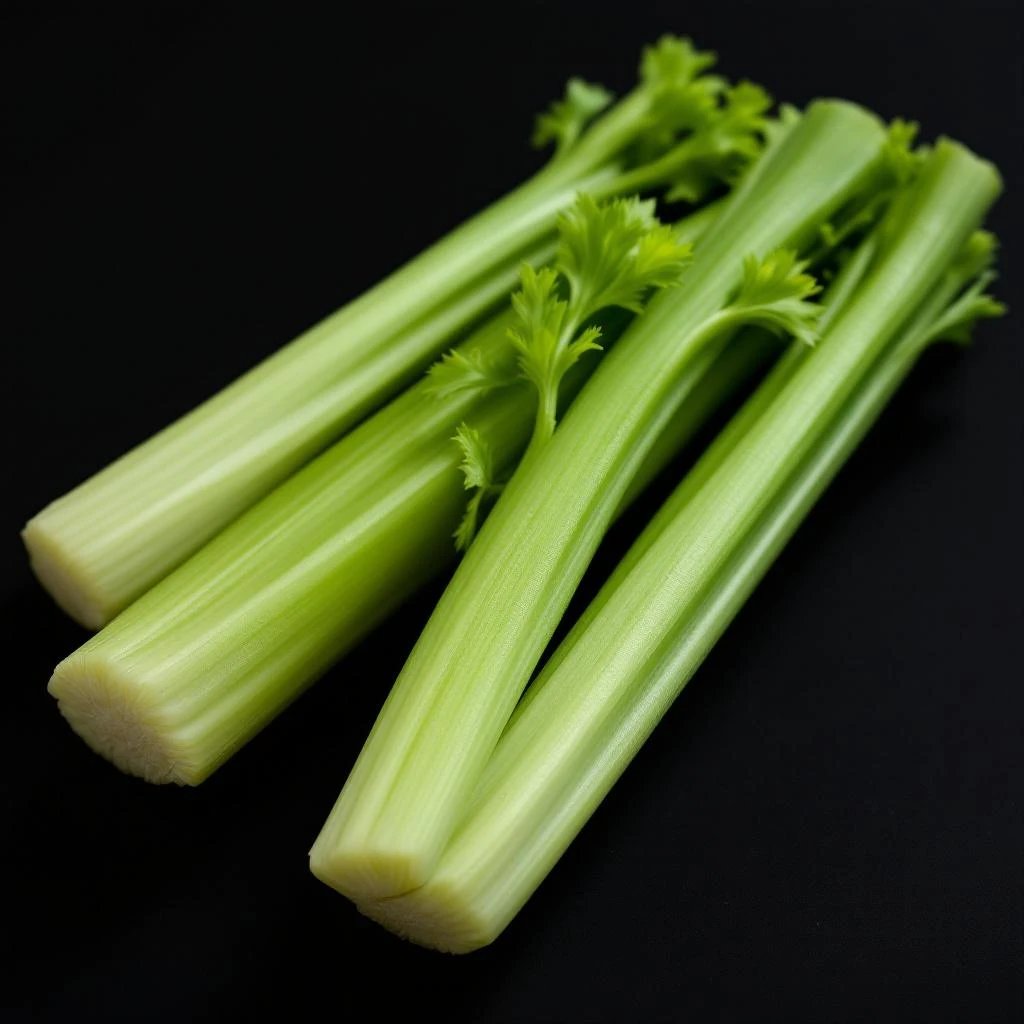
Character
How it smells
The vegetable heart note that grounds the garden.
Celery seeds contain up to 2-3% essential oil by weight, making them one of the most potent aromatic seeds in perfumery.







Origin
India
Celery has been cultivated for over 3,000 years, originally as medicine before becoming a culinary staple. Its journey into perfumery came much later, with the seed oil finding niche applications as a fragrance modifier.
The Apiaceae family, which includes celery, parsley, and dill, shares a characteristic green, aromatic quality that perfumers value. French perfume houses began experimenting with celery seed in the mid-20th century, discovering its ability to add vegetable-like depth and natural freshness to green and chypre compositions.
Wears it best
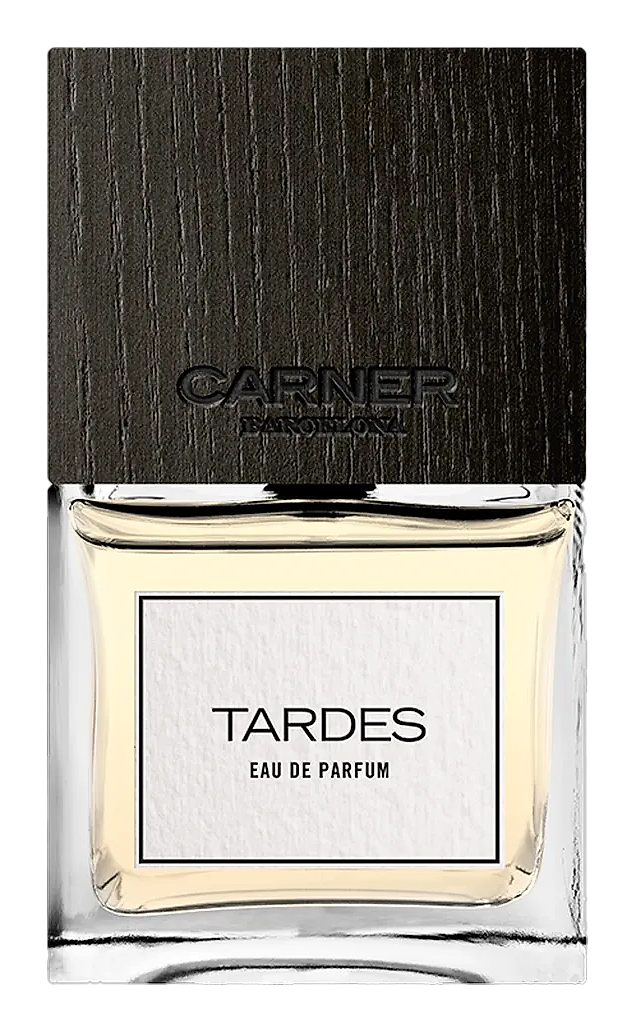
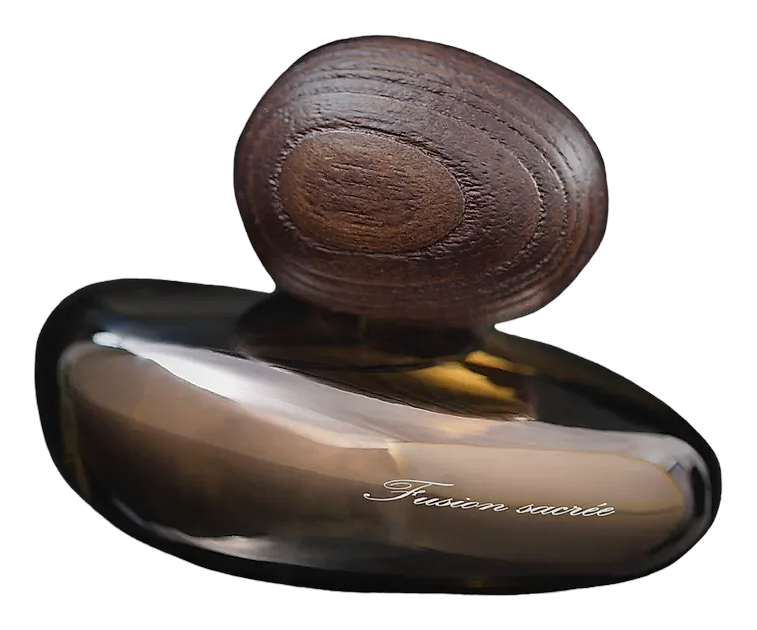
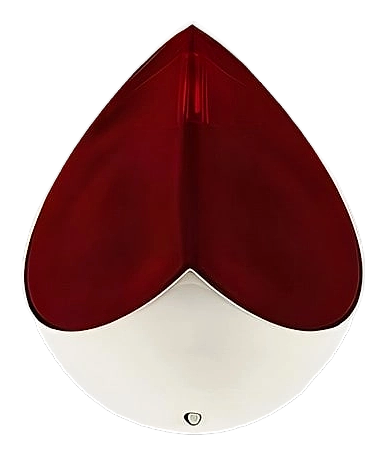
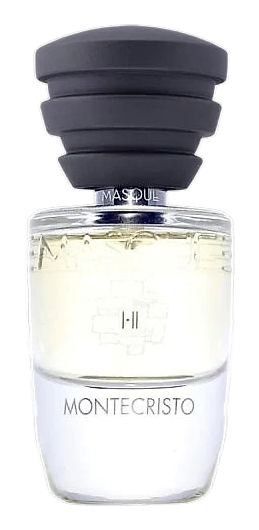
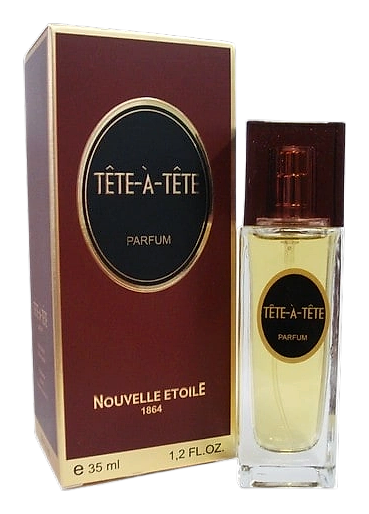
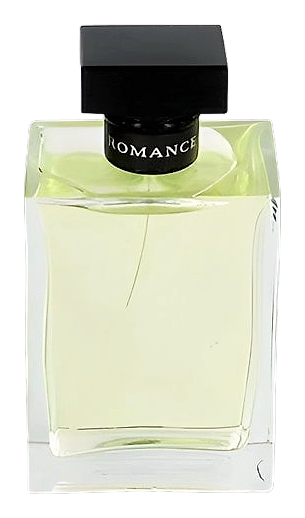
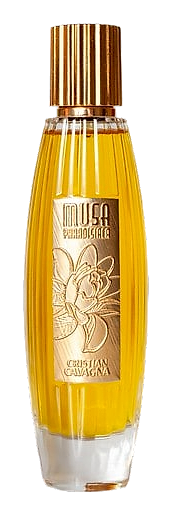
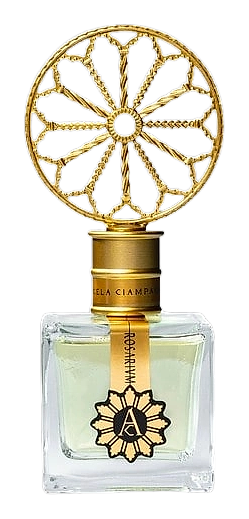
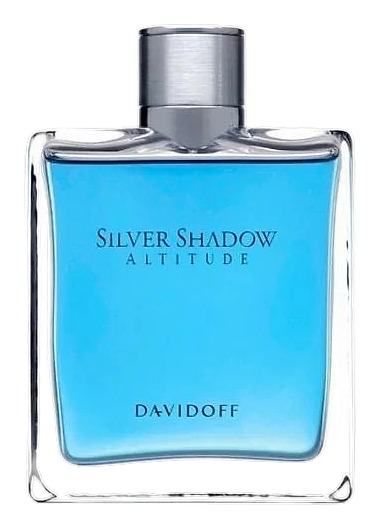
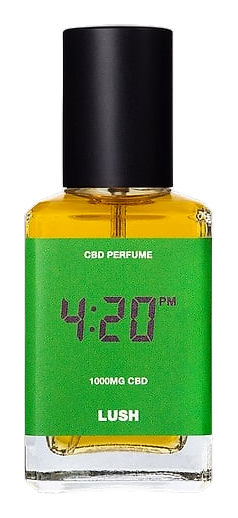
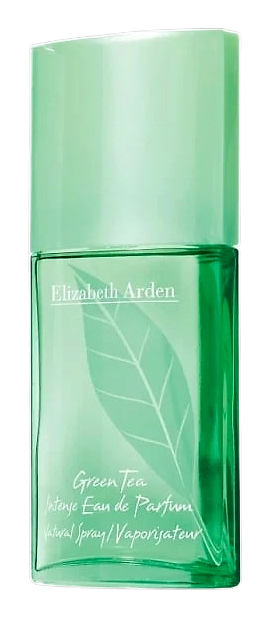
Fragrances featuring Celery

Good to know
Questions, answered
The essentials on Celery in perfumery: how it smells, where it comes from, and how it behaves on skin.
What does celery smell like in perfume?
Celery seed delivers a green, herbaceous, slightly fatty aroma. It adds a vegetable-like freshness that grounds sweeter notes without becoming sharp.
Is celery used as a fragrance ingredient?
Yes, celery seed oil appears sparingly in perfumery as a modifier. It adds natural, green depth to compositions seeking an organic quality.
Where does celery seed oil for perfumery come from?
India produces approximately 4,000 tonnes of celery seed annually, accounting for about two-thirds of global production. France also cultivates celery for essential oil.
How is celery seed oil extracted?
Steam distillation is the primary method, producing a pale yellow oil. Subcritical CO2 extraction yields a more comprehensive aromatic profile.
Which fragrance families use celery?
Celery appears in green fragrances, chypres, and aromatic compositions. Perfumers use it to add natural depth and cut through sweet or synthetic elements.
Is celery a natural or synthetic ingredient in perfumery?
Celery seed oil is a natural ingredient. Perfumers source it from cultivated Apium graveolens seeds through steam distillation.
What part of the celery plant is used?
Perfumers use the dried seeds of the celery plant, not the stalks or leaves. The seeds contain the highest concentration of aromatic compounds.
How much celery seed is produced globally?
Global celery seed production reaches approximately 6,000 tonnes annually, with India supplying about 4,000 tonnes as the dominant producer.