The Story
Why it exists.
The beginning
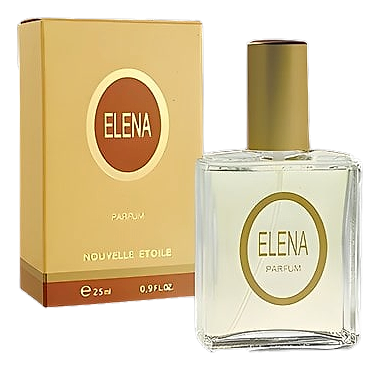
Elena arrived in 1978 from Novaya Zarya, the Russian perfume house founded in 1912. The name means 'bright, shining one' in Greek. For Novaya Zarya, fragrance had always been cultural expression, not commerce: translating literature, folklore, and distinctly Russian emotional states into scent. Elena translated that philosophy into a fresh-floral composition with powdery depth. The house drew on both imported aromatic materials and domestically sourced botanicals, creating something that felt neither imported nor derivative. It was Russian perfumery's answer to what a modern feminine scent could be.
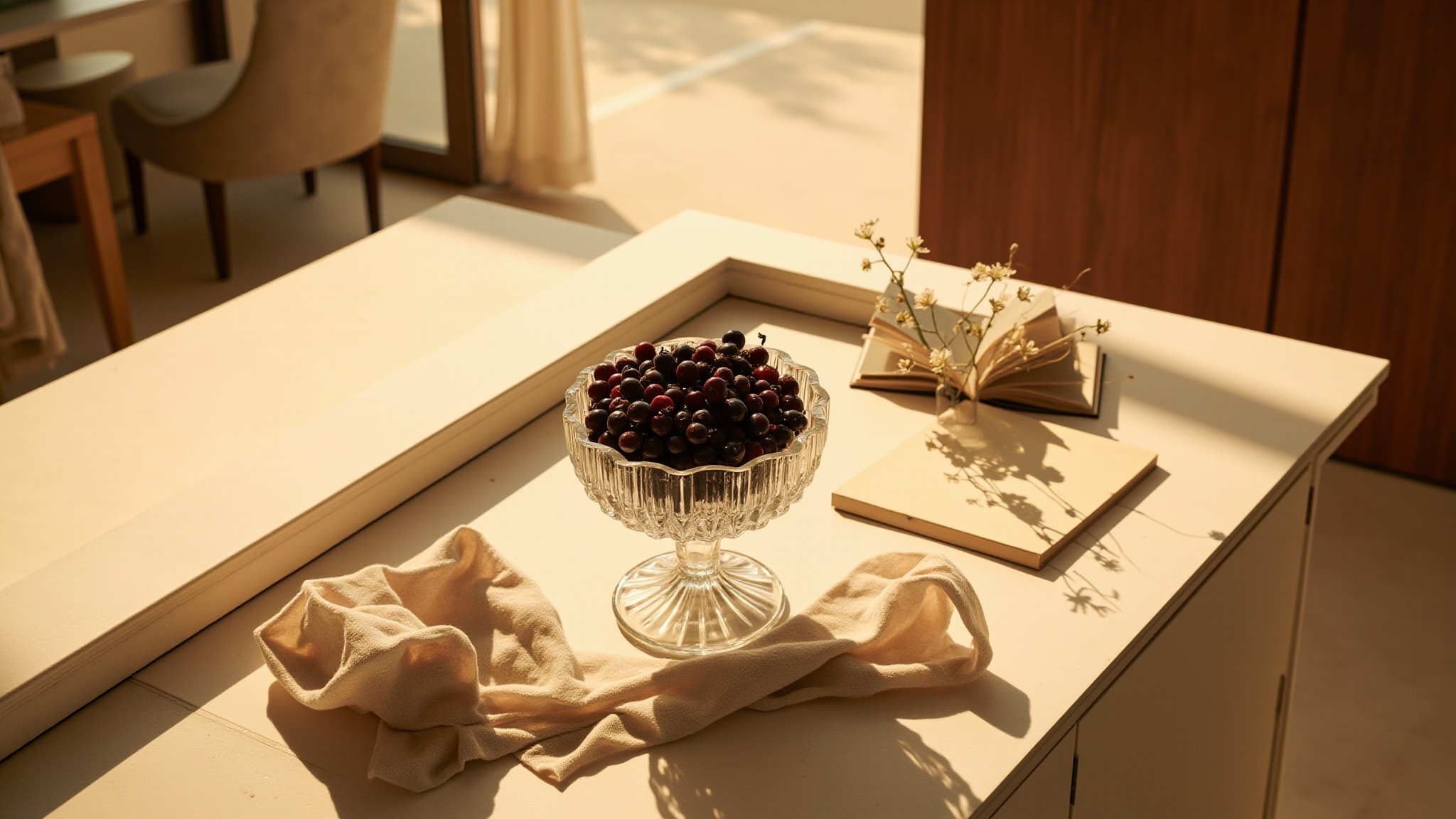
The structure is worth noting. A Soviet-era house built a mass-market scent around blackcurrant in the top, which was unusual for 1978. The fruity opening reads modern even now, bright and tart before the florals soften everything. The heart of jasmine, rose, and lily of the valley is classic and powdery. The base with tobacco and sandalwood gives it warmth, making this work across seasons rather than just spring. It's the kind of composition that doesn't announce itself but holds up over hours.
The evolution
The opening hits bright and tart. Blackcurrant berries, immediately juicy. The fruity notes don't dawdle. Within minutes, jasmine arrives, creamy and present. Rose follows, then lily of the valley. The florals blend clean and soft, not heady. The base notes begin their slow arrival around the 30-minute mark. Sandalwood and tobacco emerge first, warming the composition. Cedarwood adds structure. Musk and amber linger underneath, adding animalic depth without being aggressive. By hour two, the florals have quietened and the woody-tobacco base carries the scent. The drydown is intimate, close to the skin, lasting another 3-4 hours. On most skin types, Elena holds for 6-8 hours total. The sillage stays moderate throughout, never broadcasting, always present for the wearer and those close enough to notice.
Cultural impact
Elena holds a quiet position in fragrance history as a Russian scent that has remained in production since 1978. It's not trying to rival French perfumery or compete with Western mass-market florals. It's something homegrown, with its own character. The scent represents a specific moment in Soviet-era Russian perfumery when domestic houses were creating accessible luxury for everyday wear. The blend of fruity florals with tobacco and sandalwood gives it a character distinct from both Eastern and Western contemporaries. Wearers who seek it out tend to value its restraint, its longevity, and its quiet confidence over trend-chasing novelty.