The Story
Why it exists.
The beginning
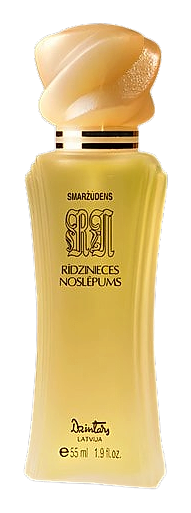
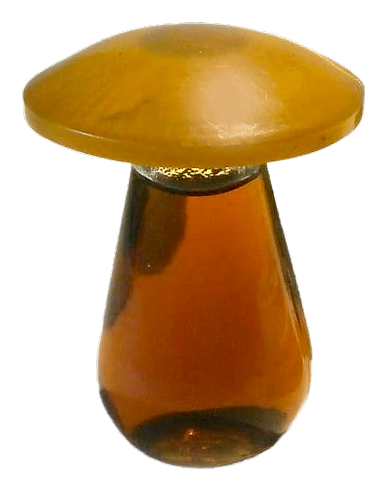
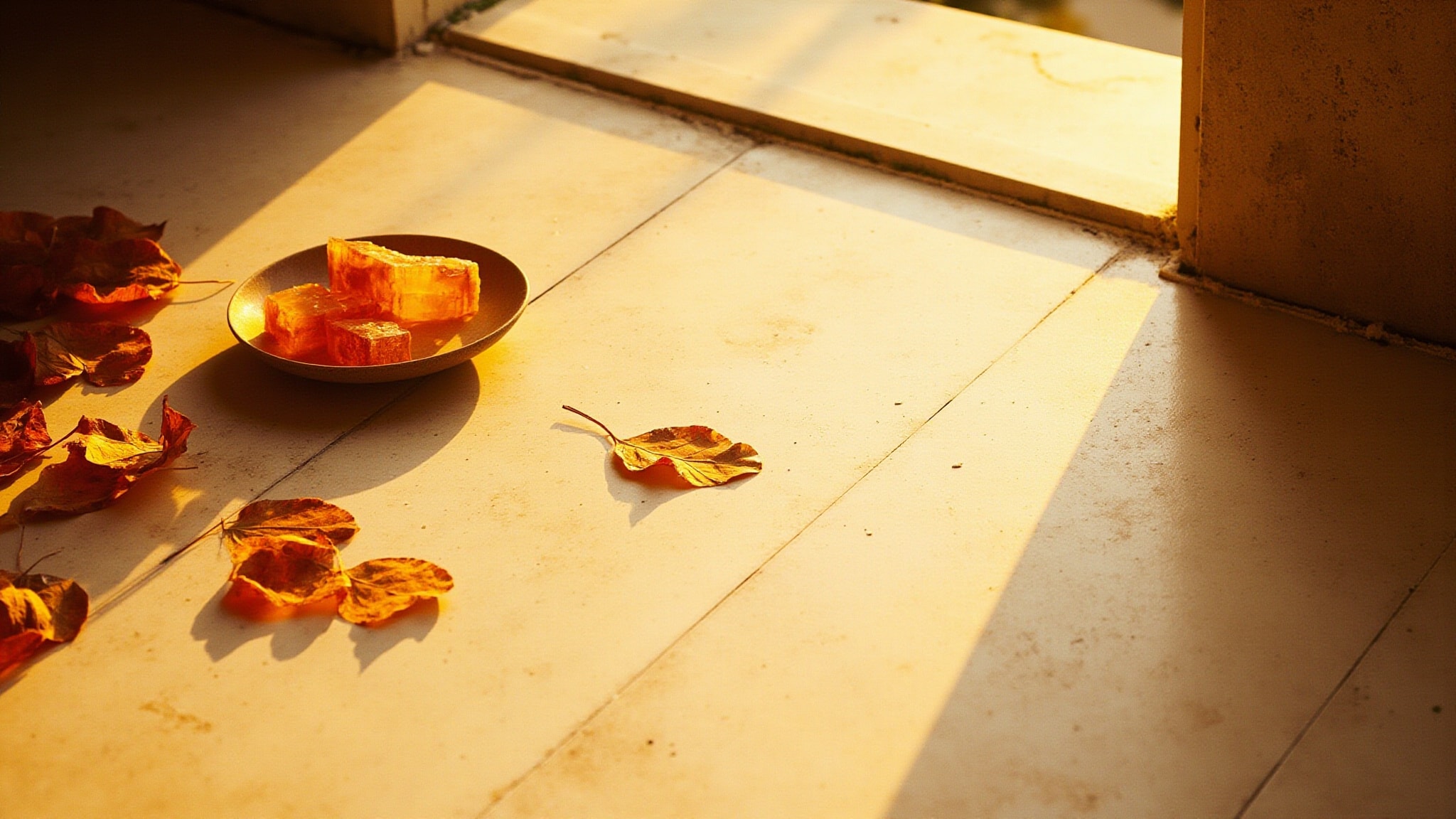
Rudens, Latvian for autumn, came from the Dzintars house in Riga during the 1960s. The perfumers Bronislava Schwarzman and Milda Gulbe chose a name that doubles as a promise: this is a fragrance for the season that Baltic winters can't rush. Lilac, lily of the valley, rose, a spring bouquet compressed into a bottle that says October. No nostalgia for summer. Just acknowledgment that it happened, and something better is coming. The name, spoken in Latvian, carries the weight of place. When you say Rudens, you're speaking the language of the coast, the forests, the particular quality of light that arrives in September and stays through the first cold nights.
What makes this composition worth revisiting is its structure: a floral opening that plays against a woody-mossy base, but not the way you'd expect. The lilac and lily of the valley arrive together, quick and translucent, before the sandalwood-vetiver-patchouli heart shifts the register toward something earthier and more grounded. The real move is in the base, oakmoss and amber together create a cool-warm paradox that neither note could achieve alone. Tonka bean adds sweetness that never reads as sugary, just soft. This is a chypre that takes its time, built for the kind of wearer who finds autumn interesting rather than inconvenient.
The evolution
The opening unfolds with lilac giving way to lily of the valley as rose settles into the composition. It carries a freshness that feels almost contradictory to the season the name promises, a reminder that autumn doesn't arrive all at once. The heart takes over and everything shifts, vetiver bringing green and mineral depth while sandalwood adds warmth and patchouli deepens the whole thing into something that smells like the forest floor after rain. There's an earthy quality here, substantial and grounded, the kind of scent that makes you want to breathe deeply. The base is where Rudens earns its name. Oakmoss settles against the skin with a cool, almost metallic crispness, the smell of cold air and damp wood. Amber holds warmth underneath, preventing the fragrance from becoming bleak.
Cultural impact
In Eastern Europe, Rudens occupies a particular niche for those interested in the broader chypre family. It's a fragrance that represents a different approach to perfume making, one that developed in parallel to the French tradition rather than in imitation of it. The name itself marks this distinction: Rudens means autumn in Latvian, and the fragrance lives up to that name with a composition that captures the season rather than fighting it. For those exploring chypres beyond the well-known classics, this scent offers something worth investigating.