Bronislava Schwarzman
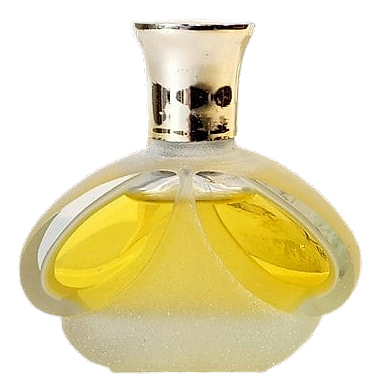
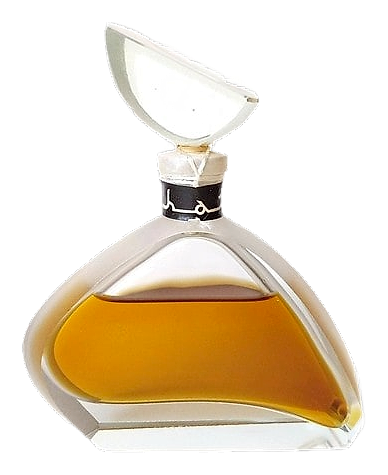
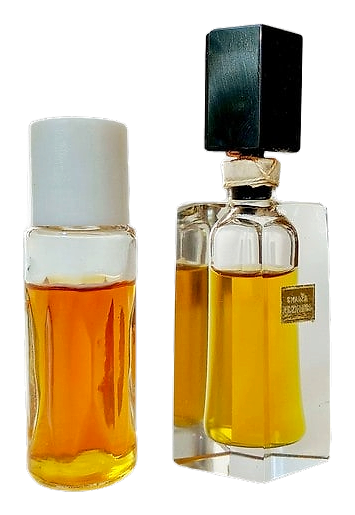
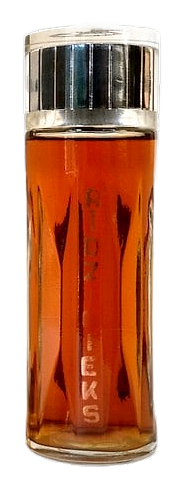
Bronislava Schwarzman built her legacy at Dzintars, the venerable Latvian perfume house, where she shaped the creative direction of the brand throughout the 1960s. Her work reflects a distinctly Eastern European approach to perfumery, grounded in rigorous formulation and an appreciation for the dramatic seasonal shifts of the Baltic region. Schwarzman emerged during an era when Soviet-bloc cosmetics houses were pushing for distinctive national identities within their fragrance lines, and she delivered compositions that balanced international sophistication with regional character. Her training appears rooted in the traditional European system, emphasizing raw material knowledge and architectural construction. The three fragrances attributed to her span a remarkable range: from the coniferous drama of her 1963 chypre to the powdery elegance of her aldehydic florals. Schwarzman's output may be modest in volume, but each creation demonstrates a command of structure that suggests years of technical refinement. She worked at a time when perfumers behind the Iron Curtain had limited access to Western aroma chemicals, which only sharpened her skill with available materials.
The hits
Notable creations

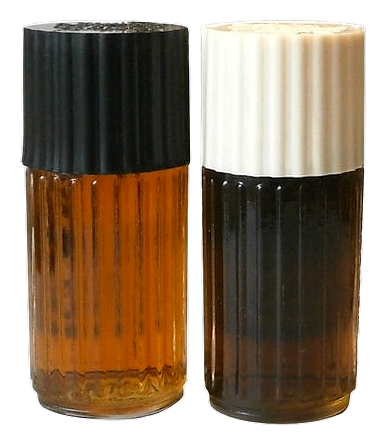
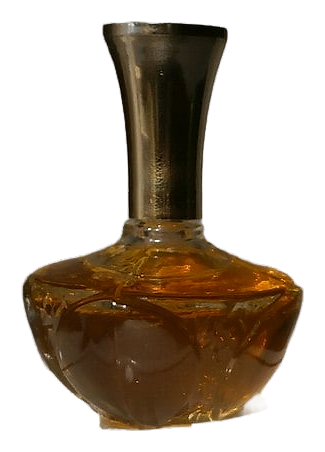
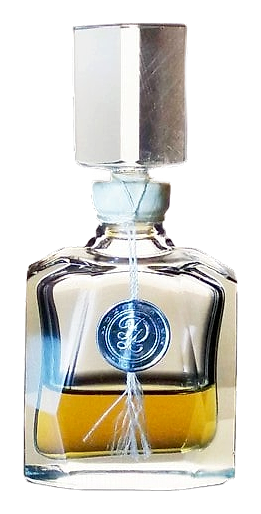
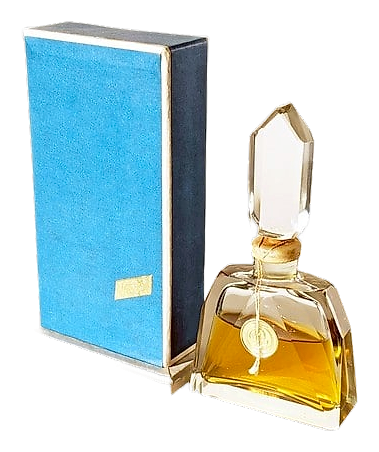
The signature
How Bronislava composes
Her signature technique involves layering aldehydic brightness over structured florals, creating an effect that feels both vintage and surprisingly modern. Schwarzman favored ingredients with clear, assertive characters: pine needles, lilac, violet, and lily-of-the-valley appear frequently in her work, suggesting an affinity for crisp, slightly cool floral notes. Her chypre compositions demonstrate a command of moss and resin depth, while her aldehydic pieces show an understanding of how metallic brightness can elevate a fragrance's perceived texture. Schwarzman avoided overly smooth or rounded profiles, preferring edges and transitions that made her perfumes feel alive rather than static. Her work holds up particularly well in cooler temperatures, where its structural elements have room to breathe.
Philosophy
What drives Bronislava
Schwarzman approached fragrance as an exercise in contrasts, drawing on the dramatic landscapes of her homeland for inspiration. She believed in building perfumes that revealed different facets as they developed, much like the layered terrain of forests and coastline she knew intimately. Her compositions prioritize emotional arc over mere pleasantness, targeting memories and sensations rather than safe, universally agreeable accords. Schwarzman seemed particularly interested in the tension between freshness and depth, often anchoring bright opening notes with substantial, sometimes austere, bases. She worked with what she had, transforming accessible ingredients into something memorable through sheer craftsmanship rather than exotic materials.
The houses