
The Story
Why it exists.
The beginning
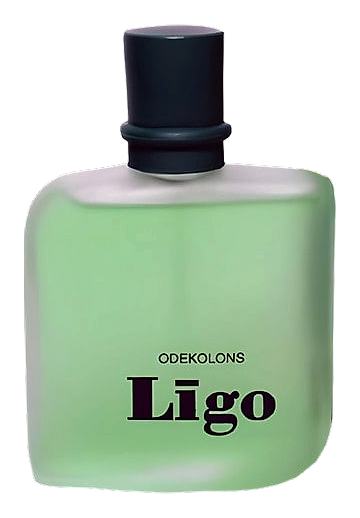
Līgo takes its name from the Latvian midsummer festival, the summer solstice celebration when the country fills with wild herbs, bonfire smoke, and wreaths of oak and fern. Dzintars, the Riga-based house, launched this fougère in 2000, drawing on Baltic greenery as the anchor. The fragrance wears the colours of that celebration across its entire arc, from the herbal opening through to the balsamic close. It is built for the season when Latvia stays light for almost no darkness at all, a green scent made for green hours. The composition leans on fern and herbal notes that evoke the wild harvest of the solstice, with tolu balsam grounding the structure in a softer, warmer register than most fougère conventions would allow.
What sets Līgo apart is its restraint. The herbal top, fern heart, and tolu balsam base form a triangle that stays transparent instead of dense. Each layer does its job without crowding the others, and the result is a composition that breathes. The tolu balsam grounds the base with a warm, vanillic softness that anchors the greener elements without smothering the freshness above it. Mint adds a cooling thread that reads like river water running through the composition, a sharp counterpoint to the creamier balsamic undertone.
The evolution
The first ten minutes belong to mint and bergamot, cold and lifted, the kind of opening that feels like water on a hot forehead. Within twenty minutes the iris arrives, powdery and cool, settling beneath the green fern like a shadow under leaves. Sandalwood adds a soft creaminess that prevents the heart from going skeletal. By the two-hour mark the oakmoss and tolu balsam take over, warm but not heavy, a quiet hum rather than a chord. The drydown carries for four to six hours total, staying intimate throughout. On clothing the next morning, the tolu balsam and oakmoss return, slightly sweeter than on skin, like the memory of a meadow after rain.
Cultural impact
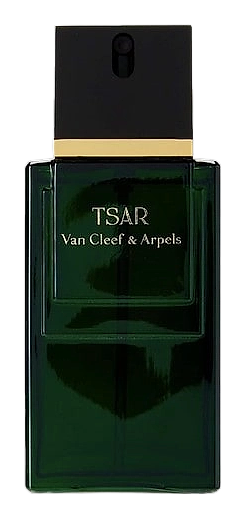
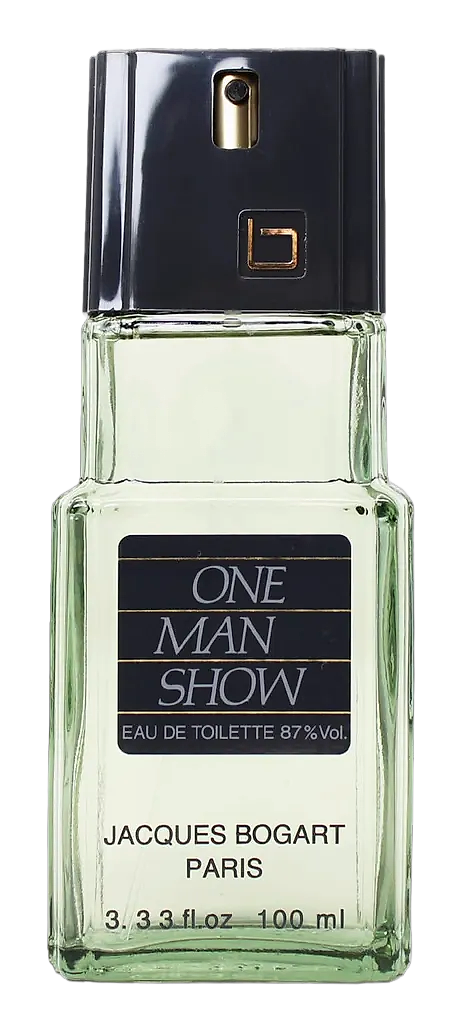
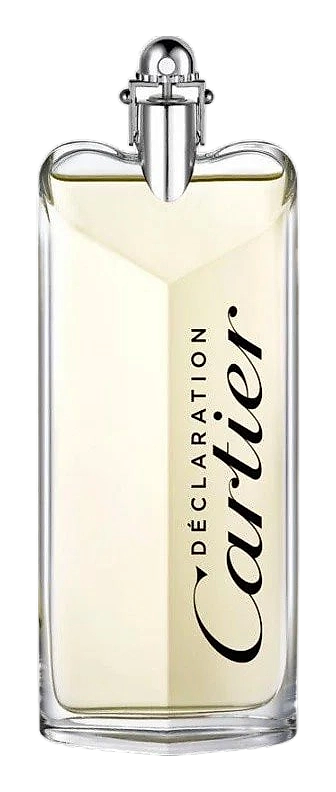
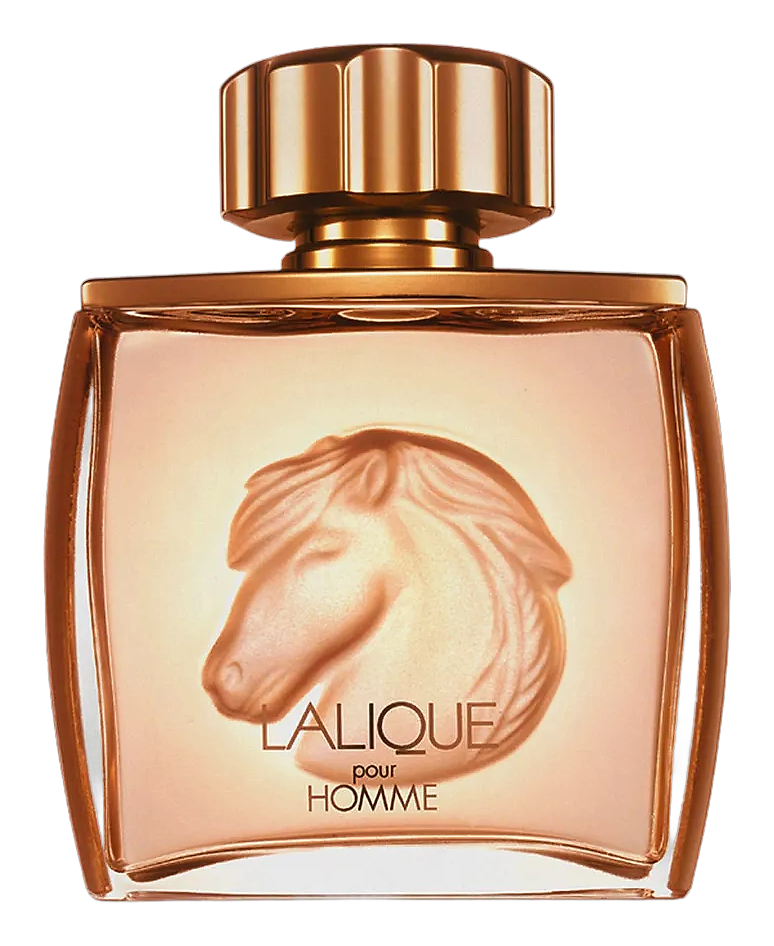
Līgo sits in an unusual space. It is a Baltic fougère from a house most Western fragrance audiences have never encountered, and its composition shows a level of restraint that surprises anyone expecting the heavier, more aggressive fougère template. Similarity comparisons place it near established designer fougères like Grey Flannel, Yatagan, and Pour Monsieur, suggesting it operates in conversation with those reference points rather than against them. Wearers tend to describe it as a quiet scent, the kind that gets recognised by those who know rather than announced to those who don't.