The Story
Why it exists.
The beginning
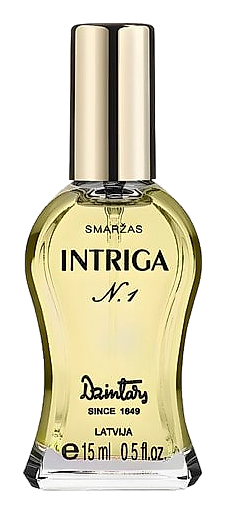
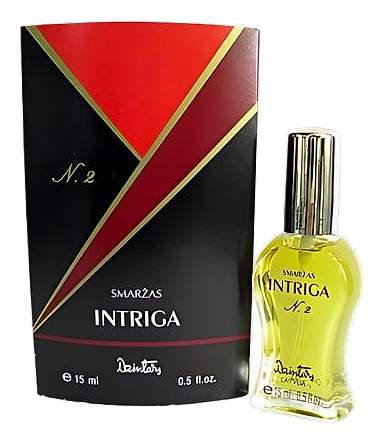
Dzintars released Intriga No2 in 1994, at a moment when the Baltic region was rediscovering luxury after decades of Soviet-era scarcity. The original Intriga arrived in 1988, created by Antonina Vitkovskaya and Ilya Gerchikov, a chypre that earned its name. The sequel doubled down on the concept: a fragrance built for the woman who understood that intrigue is not about loudness, but about what stays with you after she's gone.
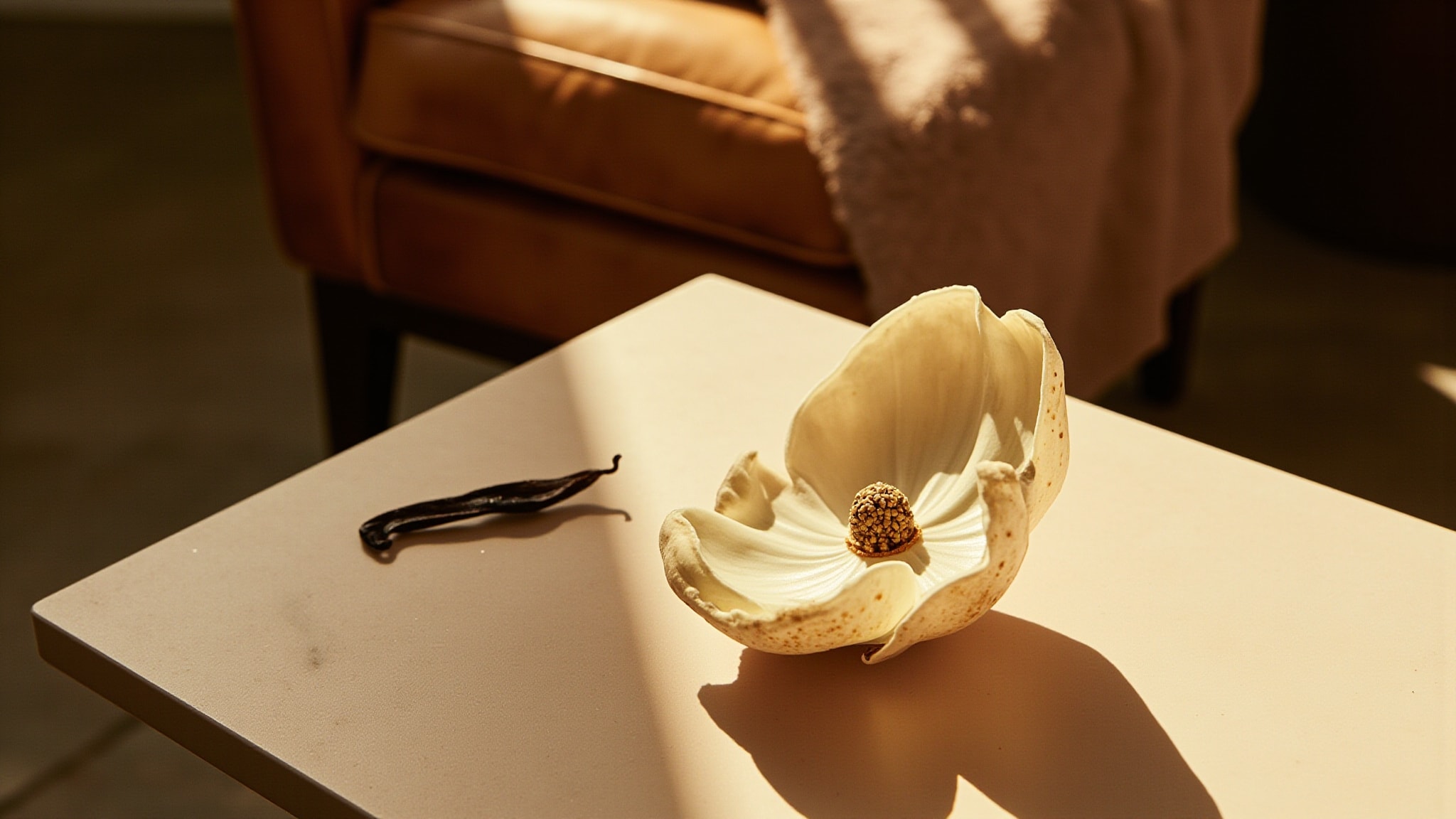
What makes Intriga No2 structurally unusual is the sheer volume of yellow florals, magnolia, ylang-ylang, violet, anchored by warm spices and a resinous base that refuses to fade politely. The carnation and cassia in the heart give it a spicy edge that most floral-orientals of the era softened. This is not a bouquet. It's an argument.
The evolution
The opening hits fast, a rush of cool floral brightness that feels like stepping into a garden after rain. Within twenty minutes, the carnation pushes through, sharpening the sweetness with something almost medicinal. The ylang-ylang thickens into cream. By the second hour, patchouli and vanilla have taken over entirely, warm, earthy, intimate. On fabric, this one lasts well past six hours. On skin, the drydown becomes a quiet skin-musk that only someone standing close will catch.
Cultural impact
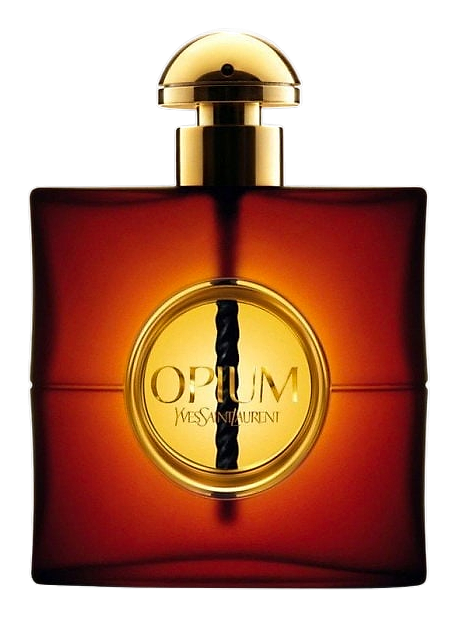
Intriga No2 has developed a quiet reputation among collectors as a Baltic alternative to YSL Opium, particularly the 2009 reissue. One community reviewer noted the structural similarity, both are spicy-oriental with resinous bases and above-average projection. The resemblance is close enough that wearers who can't source Opium have turned to Intriga No2 as a budget-conscious substitute. Released in 1994, it arrived at a moment when Eastern European consumers were newly able to access Western luxury goods, making this fragrance both a product of transition and a survivor of it.