
The Story
Why it exists.
The beginning
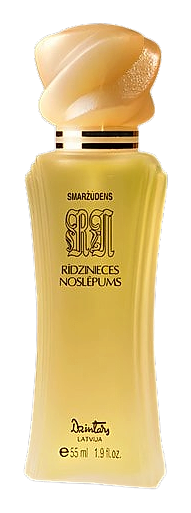
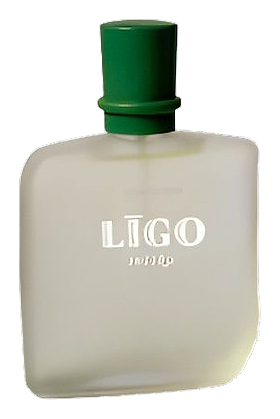
Līgo Svētku translates to Ligo Holiday, and in Latvia, that means something. Līgo is the country's Midsummer celebration, the longest day of the year, when Riga empties and bonfires light the coast. Dzintars named this 2010 release for that specific moment: the heat of afternoon, the smell of cut grass on warm air, the energy of a people who know exactly what they're celebrating. It's a fragrance with a built-in memory, even if you've never stood in a Latvian meadow on June 23rd.
The note structure tells you everything about what Dzintars was going for. Grass and citrus in the top third, green and bright, like walking outside without warning. Lavender and heliotrope in the heart, that powdery, almost old-fashioned floral that arrives without announcing itself. Oak and vetiver anchoring the base, earthy, mineral, the kind of drydown that stays close to the skin instead of announcing itself across a room. This is a green fougère built for proximity, not projection. It doesn't compete with the Midsummer bonfire smoke. It exists alongside it.
The evolution
The opening hits fast. Grass and citrus, orange and lemon cutting through with a brightness that reads as clean without ever reading as sharp. No bergamot here, despite what some descriptions claim; it's citrus the way citrus smells on a lawn, stem and zest together. Within twenty minutes the mint arrives, and this is where Līgo Svētku earns its reputation. Not chewing-gum mint. Tea mint. The kind that cools without freezing. The ferns enter around the thirty-minute mark, green, herbal, slightly medicinal in the way good fougère should be. The heart shifts to lavender and heliotrope, a powdery floral that softens everything. Oak adds structure without weight. By the third hour the base takes over: amber warmth, vetiver earth, a pinch of nutmeg. The drydown is intimate. You have to lean in. On most skin types this holds for four to six hours, not extraordinary, but consistent with what it was built to do. The next morning there is a faint vetiver and resin trace on the wrist. Close. Familiar. Already missing it.
Cultural impact
Līgo Svētku occupies a specific place in Eastern European fragrance culture: the affordable classic that still shows up in conversations about value. Dzintars has never chased global markets, which means this scent exists largely outside the anglophone fragrance internet, discovered rather than hyped. For collectors of Soviet-era and post-Soviet fragrance houses, it's a known quantity. For everyone else, it's a solstice afternoon waiting to be found.