The Story
Why it exists.
The beginning
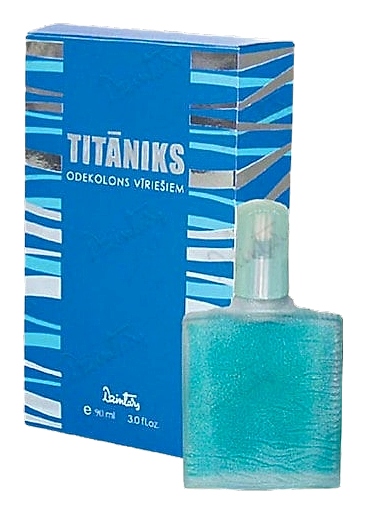
The name Titāniks landed in 2000, a deliberate choice rooted in Baltic identity. Dzintars, the house that had been producing fragrance in Riga since 1924, had spent four decades under Soviet production quotas. The 1990s brought independence and the freedom to create without ideological constraints. Titāniks emerged from that context, not as a tribute to disaster, but as an assertion of presence. The name carried weight: something vast, built to cross difficult waters, impossible to ignore.
The note structure tells you exactly where this fragrance was conceived. Seaweed anchors the heart, a material that smells of the real Baltic coast, not the synthetic aquatics dominating Western shelves in 2000. Myrtle adds a green, slightly bitter aromatic quality that gives the composition an herbal complexity unusual in mass-market masculines of that era. The iris in the heart brings a powdery floral undertone that prevents the whole thing from becoming too austere. This is a fragrance built from regional materials: pine, amber, marine notes. The perfumer knew the coastline.
The evolution
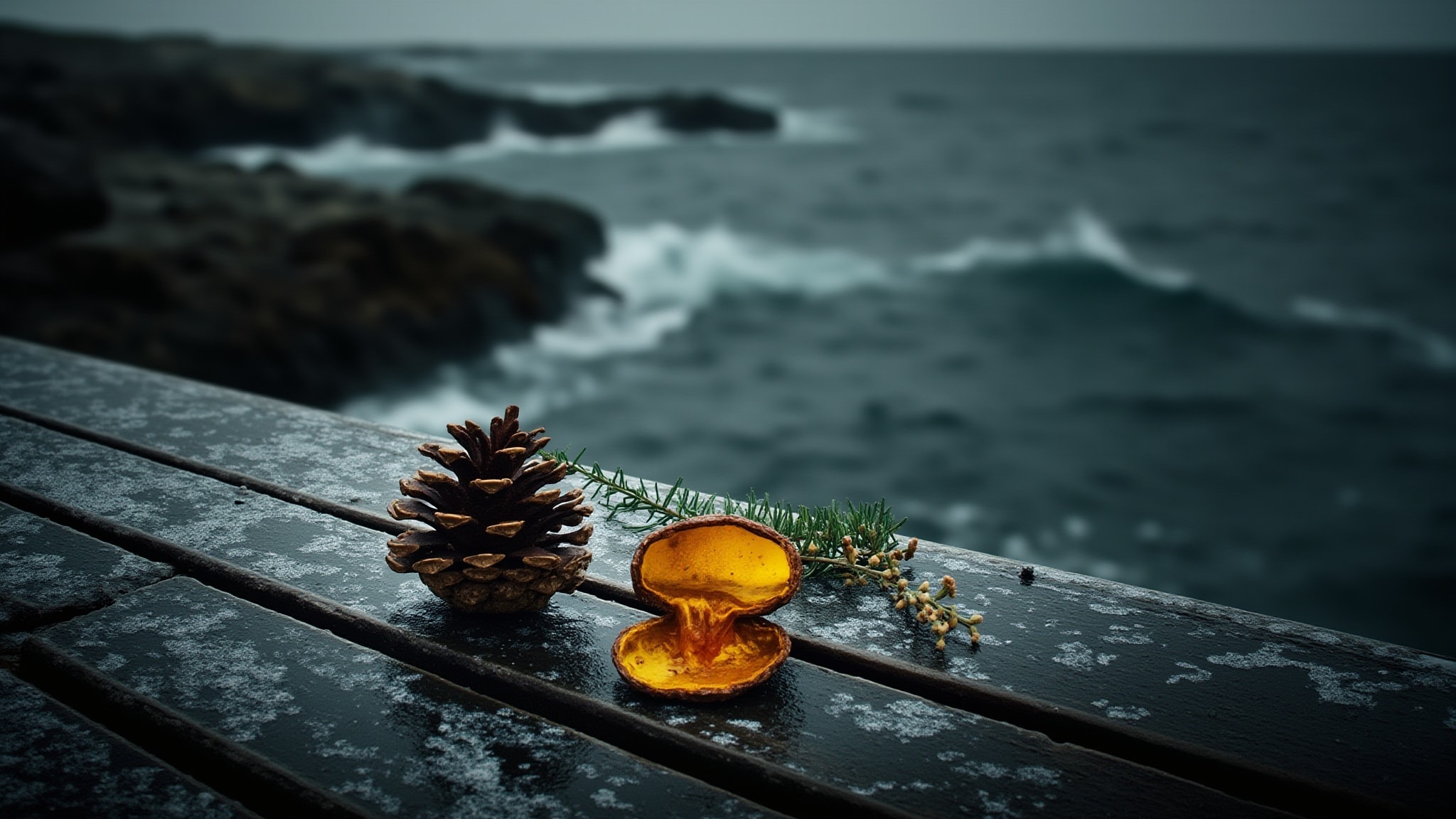
The opening hits sharp and cold, bergamot and grapefruit arriving like January wind off the Gulf of Riga. The citrus doesn't linger; it clears a path. Within minutes, the aquatic layer asserts itself, but this isn't the synthetic freshness of mainstream aquatics. There's weight to it. Density. Seaweed isn't a metaphor here, it's literal, mineral, the smell of open water hitting a rocky shore in autumn. The heart takes hold around the thirty-minute mark. Myrtle rises with an herbal, almost medicinal greenness, while iris adds a quiet powdery floral layer underneath. The marine quality doesn't disappear, it deepens, becomes the bed the other notes rest in. Pine becomes the dominant signal by hour two, genuine and coniferous, the smell of a Baltic forest after rain rather than a curated forest accord. The drydown belongs to conifer and amber. The amber adds warmth without sweetness, earthy, resinous, the kind of warmth you find under fallen logs in October. Pine holds its ground throughout, refusing to become a soft skin scent.
Cultural impact
Titāniks occupies an unusual position in the post-Soviet fragrance landscape. Where most masculine releases from Eastern Europe followed Western trends with a delay, Titāniks committed to regional materials and austere character. The marine-herbal combination places it closer to certain French masculines of the 1970s than to the aquatic boom of the 2000s. Wearers who connect with it tend to describe it as the scent of someone who has actually stood on a Baltic coast in autumn. The fragrance appeals to those who want Baltic identity rendered in liquid form, not international mass-market freshness. It remains a collector's item for enthusiasts tracking how regional perfumery survived, adapted, and refused to disappear.