The Story
Why it exists.
The beginning
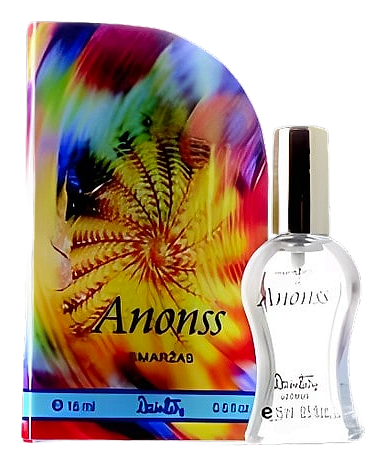
Anonss arrived in 2011 from a Latvian house that had already outlasted empires. The name carries a certain self-awareness. Not a declaration. A whisper that knew it didn't need to shout. This was a fragrance for someone who had already walked into the room and found it was fine without her. There's a quiet confidence woven into the composition, a sense that it knows exactly what it is without needing to prove anything to anyone.
The structure is what makes it interesting: citrus that actually bites, followed by a white floral heart that refuses to be decorative. Magnolia provides the weight, lily of the valley the green accent that keeps jasmine from going heady, rose tying it all together without leaving fingerprints. The base is where Baltic perfumery shows its hand, amber that reads more mineral than sweet, cedar that grounds without darkening, sandalwood that extends the wear without overwhelming. It's not trying to compete with niche houses or French classics. It's doing something more difficult: being complete without being loud.
The evolution
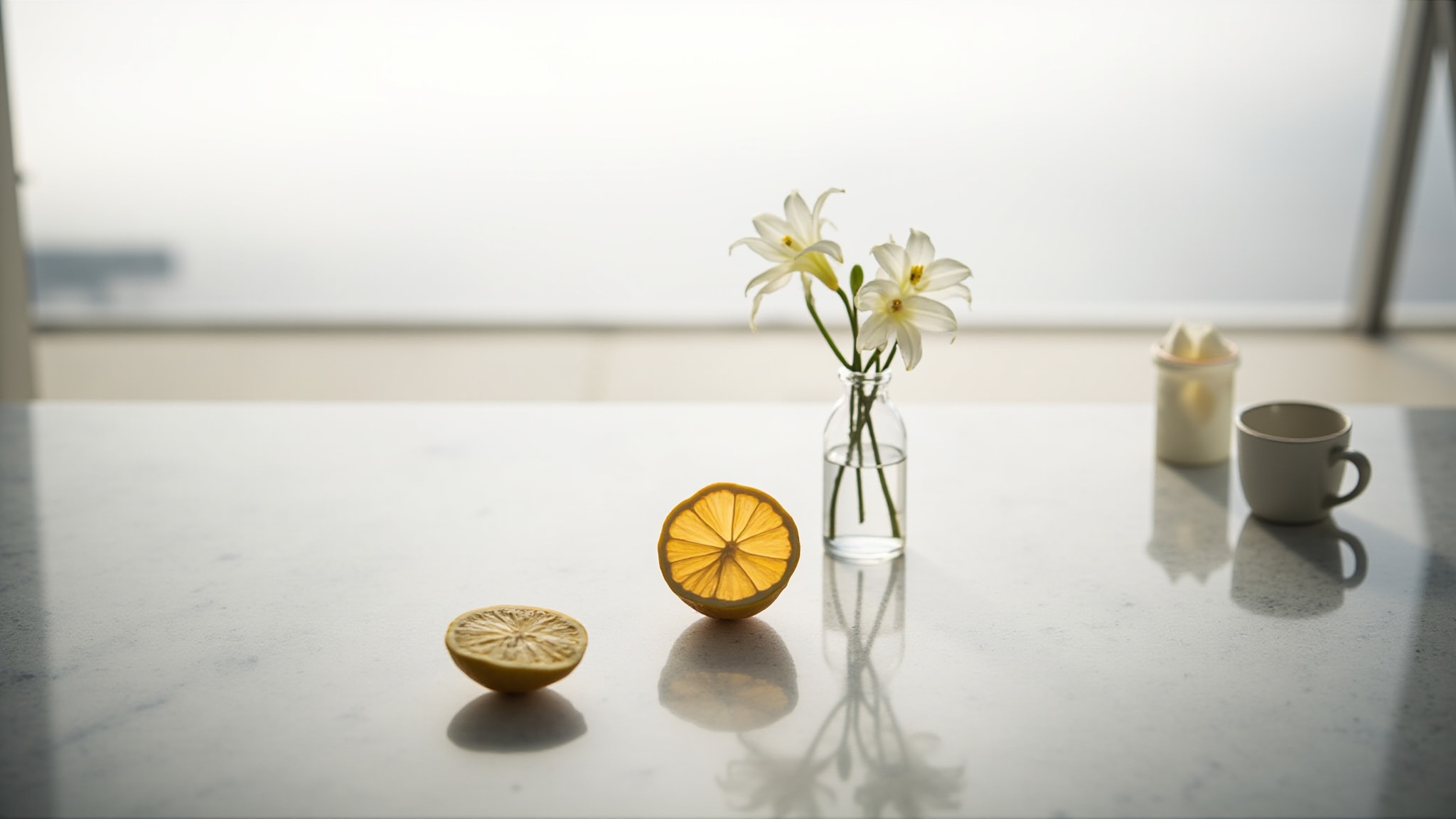
The first minutes belong to citrus. Lemon and lime arrive crisp, almost astringent, with freesia adding a clean sweetness that keeps it from feeling like cleaning product. This is the alert phase, you're awake, you're present. The florals begin their slow takeover. Magnolia opens first, creamy and expansive, followed by lily of the valley adding its characteristic green whisper. The handoff feels natural, not staged. The white florals have fully settled and the drydown begins its patient work. The cedar emerges quietly, then sandalwood, then amber, a warm base that extends the wear. The longevity is above average, with a presence that starts bold and ends intimate.
Cultural impact
Anonss exists in the margins of mainstream fragrance culture, appreciated by those who seek out Eastern European heritage houses. It occupies a space apart from the visibility of Western niche brands, but within collector circles it holds a quiet reputation as a complete white floral that performs well. The 2011 launch placed it in a period when many fragrances were following familiar formulas, and Dzintars offered something with more structural depth. Wearers who find it tend to hold onto it.