
The Story
Why it exists.
The beginning
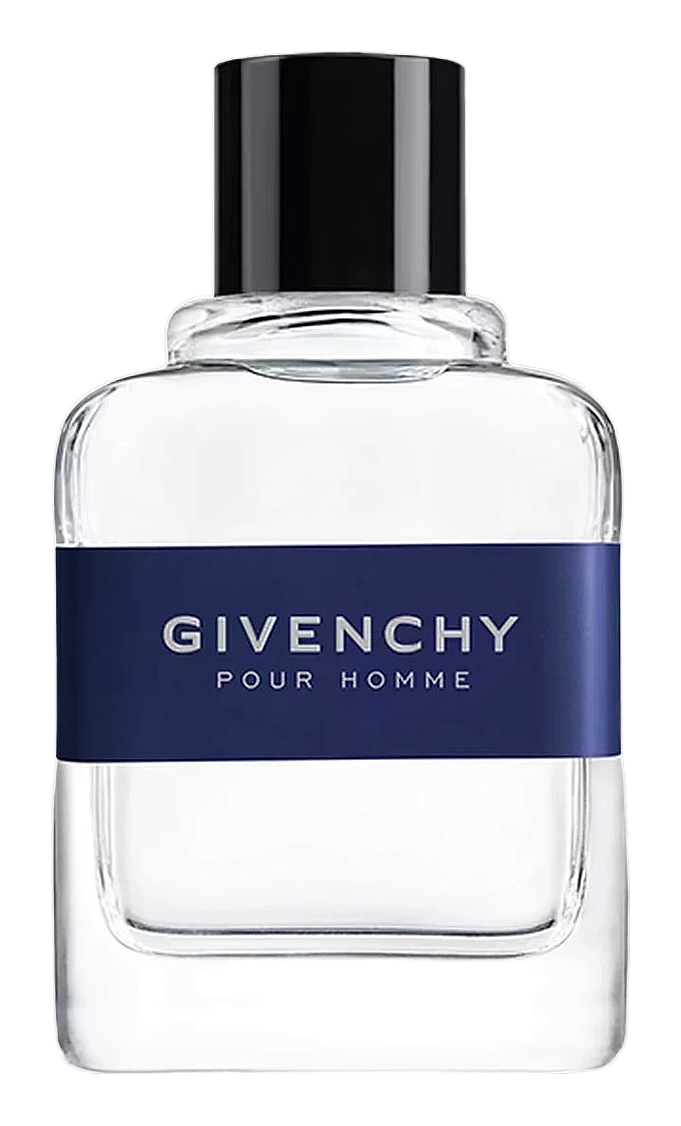
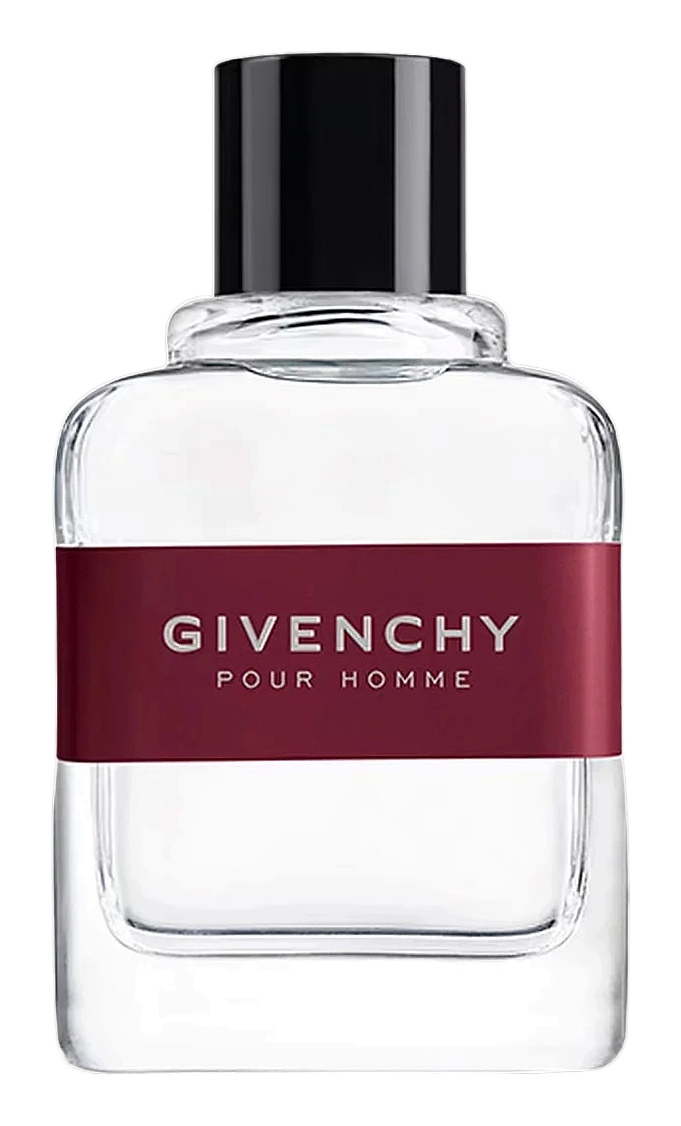
Alberto Morillas built Givenchy pour Homme around a simple premise: restraint is its own kind of power. Released in 2002, it arrived when masculine fragrances were leaning into extremes, loud declarations, aggressive woods, sweetness as a weapon. Instead, this worked the middle ground. The grapefruit and mandarin create an immediate freshness, almost casual in its clarity. The vetiver and cedarwood quietly anchor everything that follows. It's a composition designed around the idea that sophistication doesn't announce itself, it waits for you to notice.
The choice of labdanum in the base separates this from other woody-fresh compositions. It's a resin that doesn't show up often in masculine work, too subtle, too complex for fragrances that want to hit hard. Here it bridges the citrus opening and cedarwood foundation, giving the drydown a slightly resinous warmth that keeps the wood from going flat. The coriander adds a spice that threads through the heart without ever becoming prominent. Nothing dominates. Everything supports. The result reads as effortless even though the construction is anything but.
The evolution
The opening hits fast, grapefruit and mandarin orange arriving together with a tart, clean energy that doesn't wait. No preamble. Within minutes the lavender and vetiver take over, shifting the character from bright to grounded. The coriander keeps things interesting, a quiet spice that prevents the heart from feeling too soft. By the second hour the cedarwood begins its slow reveal, taking over from the citrus which fades gracefully rather than disappearing. The labdanum emerges as subtle warmth in the base, resinous and close to the skin. Six to eight hours later you're left with cedarwood and labdanum, a woody, slightly sweet residue that stays intimate and close. On fabric the cedar lingers longest. You might catch traces of it the next morning.
Cultural impact
Givenchy pour Homme found its audience among men who wanted refinement without aggression. It's worn by the guy who doesn't need his fragrance to announce his presence, he trusts that his choices will do that for him. The balance of fresh citrus and woody warmth makes it versatile enough for the office and consistent enough for evening. It's the kind of fragrance people discover, then keep coming back to.