
The Story
Why it exists.
The beginning
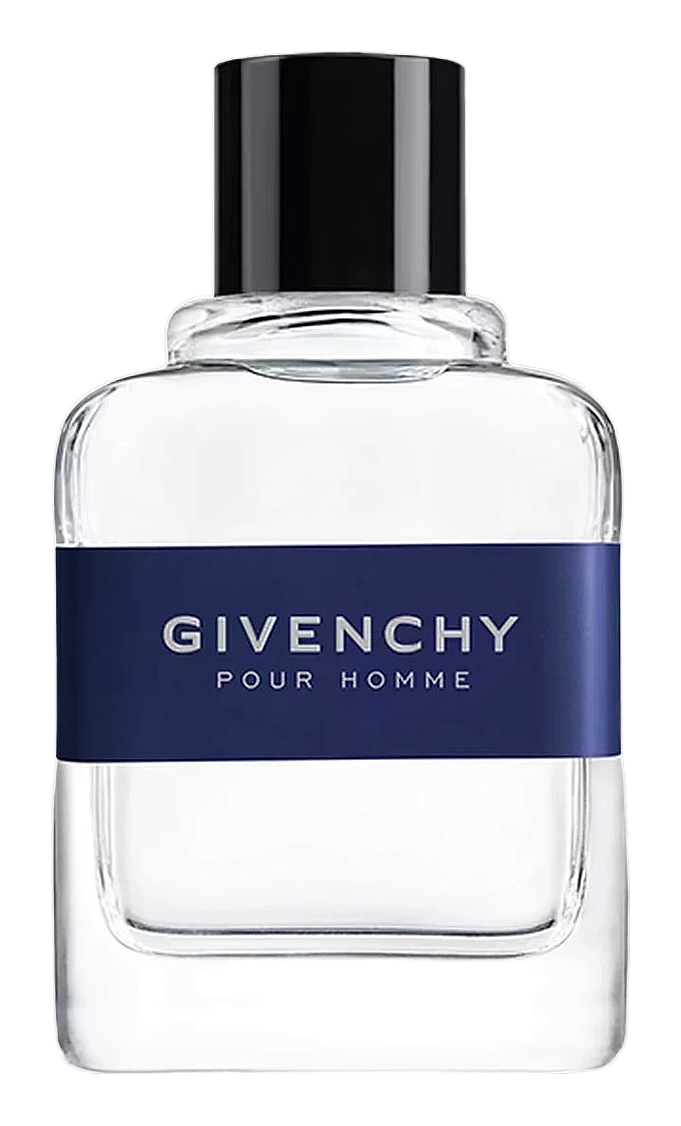
Pour Homme Blue Label arrived in 2004 as a fresher, more rebellious counterpart to the original Pour Homme. The brief was simple: preserve the elegance, add a new edge. Alberto Morillas and Ilias Ermenidis built it around a citrus cocktail, grapefruit and bergamot opening that hits harder than most fresh fragrances dare, then let Sichuan pepper and davana introduce a warmth that the original lacked. It was positioned as the scent for an active man who appreciates freedom, without sacrificing the aristocratic restraint that defines Givenchy's masculine identity.
What makes this composition interesting is the hedione. The community reviews flag it repeatedly, hedione is the jasmine-precursor molecule that gives a bright, ozonic lift to the heart. Here, it works against the herbal artemisia and warm cardamom to create a middle ground that reads as both clean and complex. The Sichuan pepper acts as a bridge between the bright opening and the incense-tinged base, giving the fragrance an unexpected cohesiveness that feels intentional rather than accidental.
The evolution
The opening announces itself immediately. Grapefruit and bergamot arrive sharp, almost astringent, with the grapefruit carrying most of the weight in those initial moments. Then the Sichuan pepper kicks in, a clean, tingly heat that doesn't burn so much as wake the skin up. The heart phase is where it settles. Lavender arrives to soften, cardamom adds a warm spice, and hedione's jasmine-like brightness keeps everything lifted. This middle phase unfolds gradually, with the clean warmth of the composition holding steady as the brighter top notes recede. The drydown belongs to cedar and vetiver, with the olibanum (frankincense) appearing as a quiet resinous note that extends the scent into evening. The sillage stays moderate, close enough to notice, far enough to not announce yourself walking in.
Cultural impact
Pour Homme Blue Label complicates the fresh-woody genre in ways that feel intentional rather than accidental. The Sichuan pepper and artemisia give it an herbal edge that distinguishes it from more straightforward offerings in this category. The composition holds together in a way that suggests real craft, the various elements supporting each other rather than competing for attention. Wearers describe it as the scent of someone who walks into a room and doesn't need to announce themselves, a quiet confidence that comes from knowing exactly who you are.