The Story
Why it exists.
The beginning
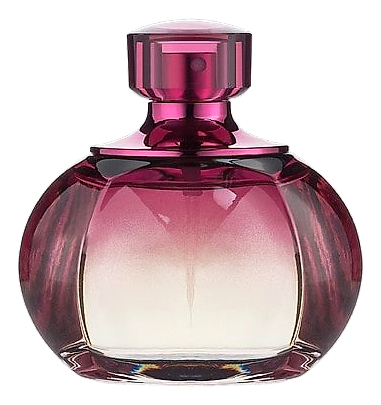
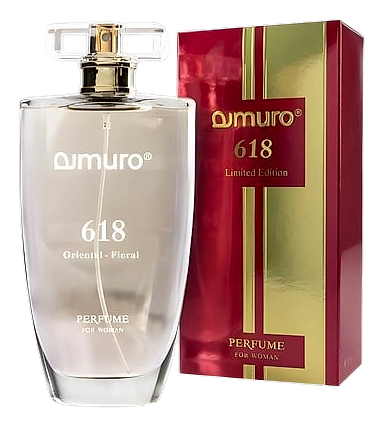
Amuro 618 arrived in 2013 from Dzintars, a Latvian house based in Riga. The name carries no obvious Latvian meaning, and the composition stands without commentary from the brand. It's part of the broader Amuro numbered series, a line of fragrances from the house focused on a specific kind of wearer. The 618 variant leans fully into that brief: citrus and fruit up top, a dense white-floral heart, and a warm woody base. The opening is brisk and almost confected, with the pineapple and grapefruit giving way to a neroli-laced softness that keeps things from reading as a simple fruit basket. As the citrus recedes, the white florals gather.
What makes Amuro 618 worth a second look is the way it stacks pineapple and kumquat with neroli. That's an unusually bright opening for a fragrance that then dives into lilac and honeysuckle, two florals that don't always get invited to the same party. The carnation in the base is the quiet surprise. It bridges the fruity-floral top into the cedarwood-sandalwood wood without making the transition feel like a gear change.
The evolution
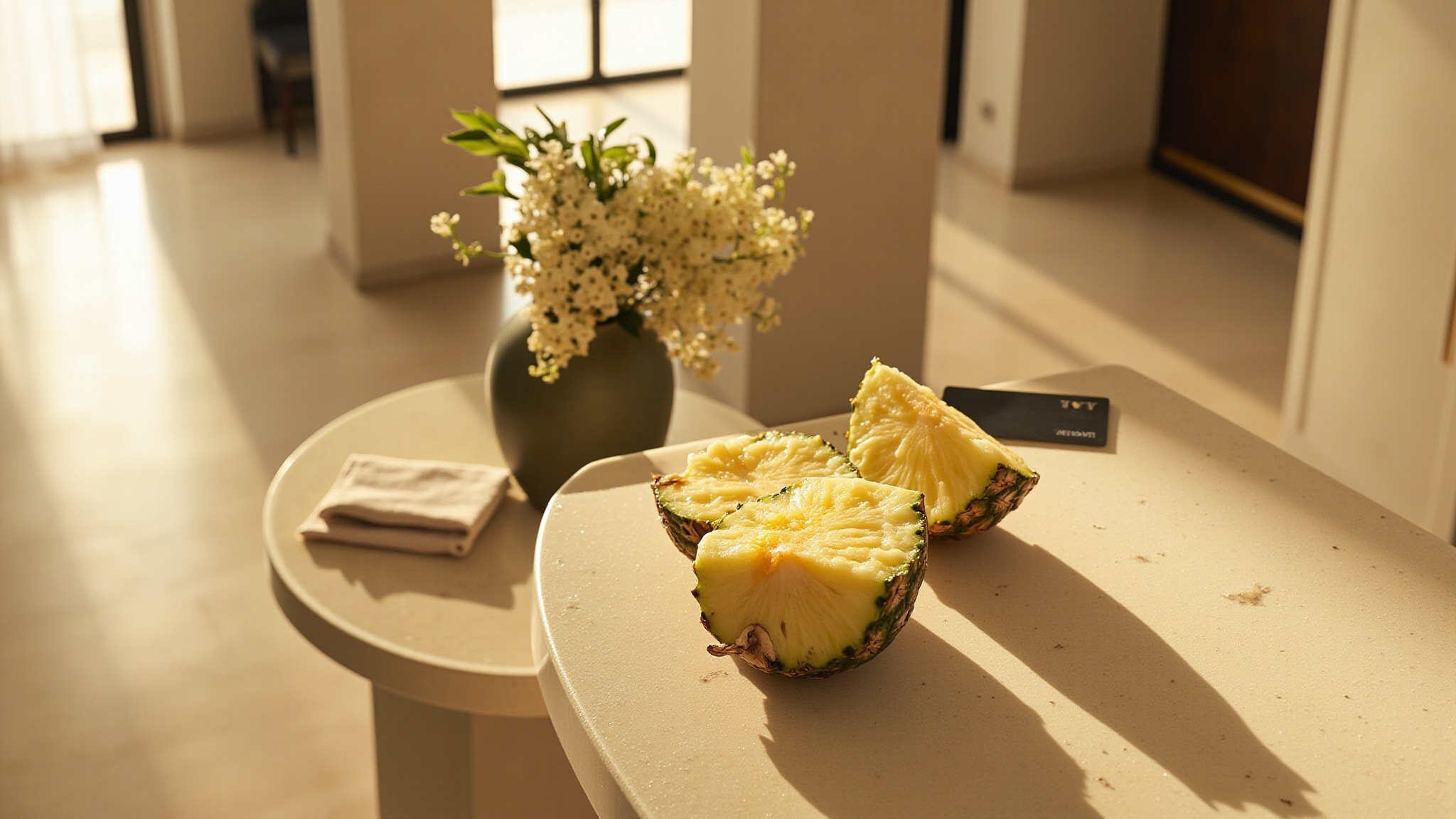
The first ten minutes are almost aggressively cheerful. Pineapple and grapefruit push forward with kumquat cutting behind them, the neroli just there softening the edges so it doesn't read as a fruit salad. By the twenty-minute mark, the citrus starts stepping back and the white florals begin to take the room. Rose comes in first, then lilac and honeysuckle fill in around it, and for a solid stretch the fragrance smells like a bouquet sitting in a sunlit kitchen. Jasmine adds just enough warmth to keep the florals from feeling cold or soapy. Around the middle of the wear, the carnation arrives. It's not a loud material, but it changes the temperature of everything, pulling the sweetness down into something spicier and more grounded. Cedarwood and sandalwood come in underneath, and the later hours of wear are warm, slightly powdery, and close to the skin.
Cultural impact
Amuro 618 arrived in 2013 from Dzintars, a Latvian house based in Riga, at a moment when regional perfumery was navigating the realities of an open market and shifting consumer tastes. The numbered Amuro line, including 618, fits within a wider catalogue of releases from the house, with fruity-floral structures that lean into familiar territory. The opening is brisk and almost confected, with the pineapple and grapefruit giving way to a neroli-laced softness that keeps things from reading as a simple fruit basket. As the citrus recedes, the white florals gather.