The Story
Why it exists.
The beginning
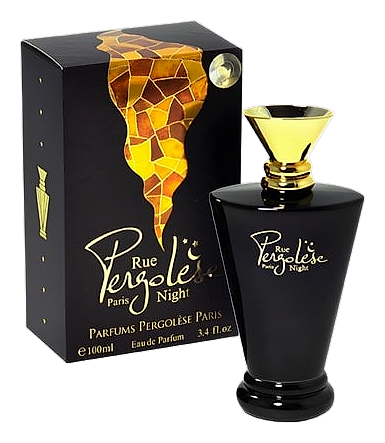
Rue Pergolese Night takes its name from a quiet street in Paris's 16th arrondissement, the kind of address that doesn't need explaining, just recognition. It's a flanker to the original Rue Pergolese, which launched in 1996, but Night doesn't merely extend the family. It reimagines it. Where the original stayed within daylight hours, fresh florals, approachable citrus, Night pushes into evening territory. Ursula Wandel built this one for the hours after everything else has been said and done.
The choice of litchi and kiwi as leading notes is unusual in this register. Both are high-moisture fruits, the kind that smell like they were just peeled, and pairing them with white chocolate is a deliberate act of contrast. Chocolate is warm, dense, almost buttery. Fruit is bright, fleeting, acidic. The orchid bridges them, a flower known for its stillness, its slow unfurling after dark. This isn't a fragrance that rushes its own reveal.
The evolution
It opens cool. Litchi and kiwi arrive crisp, almost translucent, like fruit juice on ice. The quince adds a slight tartness that keeps everything grounded for the first twenty minutes. Then the white chocolate steps in, not in a confectionery way, more like the memory of chocolate, something sweet without weight. The orchid starts to bloom around the thirty-minute mark, and the jasmine pushes through, green and heady. By hour two, the musk has settled into skin, warm and close. It stays there. The drydown is this: white chocolate that never fully disappears, musk that has become part of you, a faint echo of orchid that the next morning, on a scarf or a collar, you'll catch and think about wearing again.
Cultural impact
Rue Pergolese Night arrived during the late-2000s to early-2010s shift in mainstream perfumery, when brands began releasing evening flankers of popular daytime scents. CFFC Fragrances targeted women who loved their morning florals but wanted something richer after dark. The 2012 launch tapped into a growing demand for gourmand notes in mainstream fragrances, positioning itself alongside the rise of edible, dessert-like compositions that would dominate the mid-2010s. Its blend of tropical fruit with white chocolate marked it as distinctly of its era while remaining distinctive enough to outlast many contemporaries.