The Story
Why it exists.
The beginning
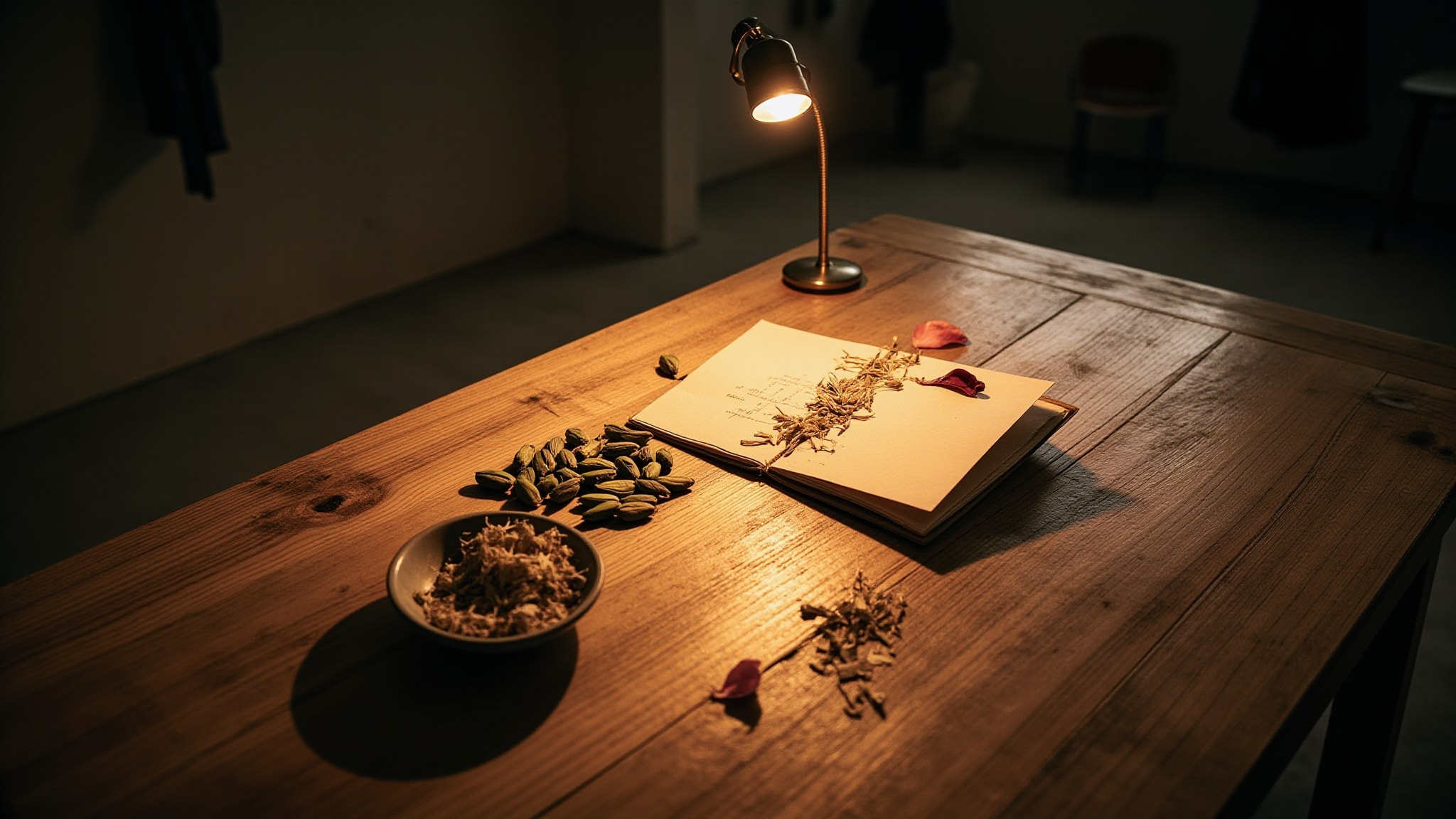
Dawn Spencer Hurwitz built Prana around a sandalwood-dominant core, constructing the composition to hold the tension between bright, opening spices and deep, grounding resins. Every material earns its place in that balance. Cardamom and coriander bring the first inhale forward, lifting the opening with their sharp, aromatic snap. The floral heart, rose, champaca, jasmine, and tuberose, gives the composition its warmth and its breath, a layered bouquet that blooms without ever tipping into sweetness or powder. Then the base settles into Australian sandalwood, frankincense, oud, and myrrh, materials that have carried spiritual weight across cultures for centuries. The resins wrap the woods in something ancient and lived-in, as if the fragrance had been aging somewhere quiet.
What makes Prana distinctive is its refusal to pick a lane. The spice top could lean kitchen-warm, the florals could lean powdery or indolic, the sandalwood base could go solo and meditative. Hurwitz threads them together instead, using mace and davana to ease the citrus-spice opening into the floral bouquet with a gentle transition that never breaks stride. Champaca absolute, less common than rose or jasmine, adds a fruity sweetness that keeps the heart from turning too serious.
The evolution
Prana opens with a sharp, almost savory burst of cardamom, coriander seed, and davana, cut by Amalfi lemon that brightens without screaming. Mace adds a warm nutmeg-like heat that lingers at the edges of the citrus. Palmarosa slides in underneath, giving the opening a grassy-rosy undertone that hints at what's coming in the heart. The transition into the florals happens fast, within fifteen minutes, and it softens everything. Rose absolute, champaca, jasmine sambac, and tuberose come through together, less as individual flowers than as a single warm exhale. The champaca keeps it from going too dense, lending a fruity, almost bruised quality that stops the florals from turning soapy. After about two hours, the base starts to take over. Australian sandalwood dominates, creamy and milky, but it's not alone.
Cultural impact
Prana carries a name drawn from Sanskrit, evoking breath and the life force that moves through every living thing. That conceptual weight informs how the fragrance presents itself, less as a casual accessory and more as an aromatic statement with intention behind it. The composition draws on materials long used in sacred and ceremonial contexts, from frankincense and myrrh in temple rituals to champaca and sandalwood in devotional practice across South and Southeast Asia.