
The Story
Why it exists.
The beginning
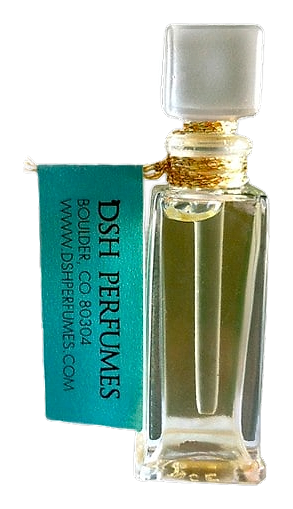
Dawn Spencer Hurwitz created Cardamom & Khyphi in 2010 for the "Secrets of Egypt" collection at the Denver Art Museum's King Tut exhibition. Kyphi, the incense the Egyptians burned, became the backbone. But Hurwitz didn't stop there. She anchored it with cardamom, using CO2 extraction. The spice arrives with clarity and precision, its essential oils forming a bright counterpoint to the warm, ancient incense. What follows is a fragrance that balances something old with something immediate, the cool bite of the cardamom meeting the rich depth of the Kyphi accord in a composition that feels both rooted and alive.
What makes Cardamom & Khyphi unusual is its structure. The bright, sharp cardamom announces itself and then cedes the stage to something older. The Kyphi accord brings warmth and closeness, a dense and resinous presence that lingers. The CO2 cardamom isn't the green spice of cooking, it's the essential oil, concentrated and clear, lending a quality that cuts through the deeper notes. The combination creates a tension between cool spice and warm resin, modern botanical precision meeting something ancient and ritualistic in character.
The evolution
The opening arrives bright. Cardamom CO2 cuts through first, sharp, almost electric, a spice jolt rather than a spice warmth. It clears the air before the structure shifts. A dark, spiced phase arrives with burnt edges that recall notes of black pepper. Then the incense takes hold, warm and resinous, with a depth that suggests something older and more complex than simple smoke. On skin, the fragrance stays close, the drydown warming quietly and revealing how the bright spice condenses into something grounded and lasting.
Cultural impact
Cardamom & Khyphi found its audience among fragrance collectors who seek the unconventional. The 2010 release was part of a collection that invited museum visitors to engage with fragrance in a new way. It remains in the DSH catalog as a reference point for how ancient materials can translate into contemporary wearable art.