The Story
Why it exists.
The beginning
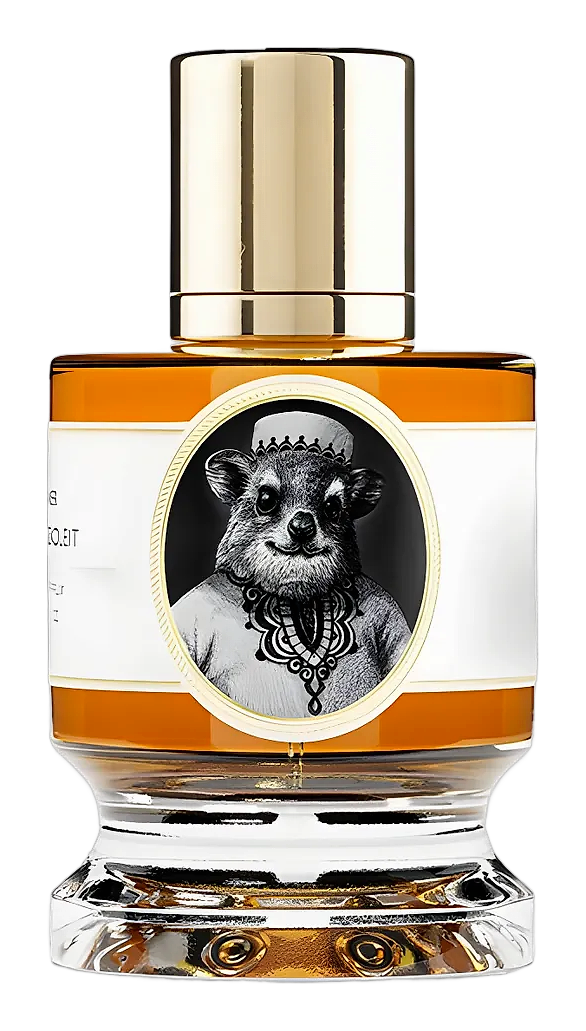
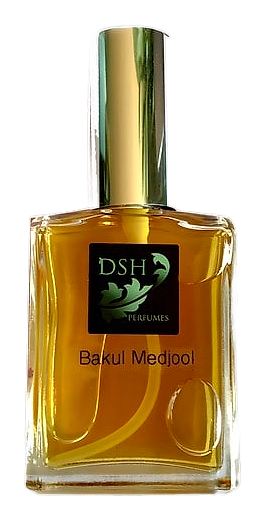
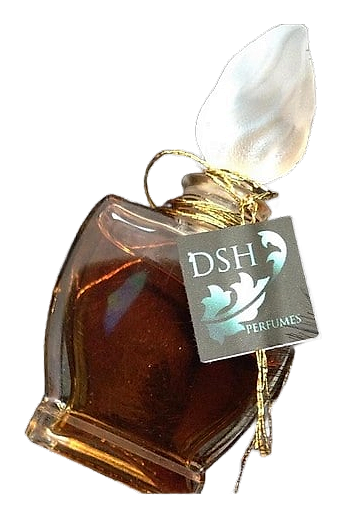
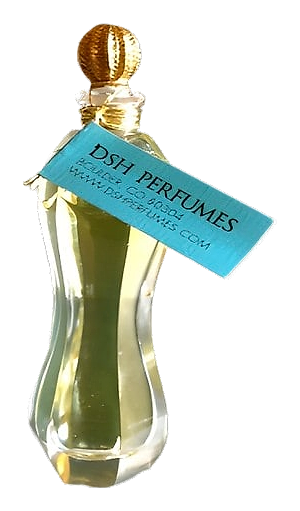
Chinchilla takes its name from the small, impossibly soft rodent prized for its dense, warm fur. The fragrance does the same thing, wraps around you in layers of honeyed warmth and animalic intimacy, the kind of scent that makes people lean closer instead of stepping back. Released in 2016 by Dawn Spencer Hurwitz at DSH Perfumes, this is a floriental built on a collision of ideas: cozy and provocative, vintage and contemporary, floral softness against castoreum and civet. The concept hearkens back to the animalic perfumes of the 1930s, perfumes that smelled like skin, like fur, like something alive. Chinchilla isn't a recreation of any single vintage fragrance. It's a love letter to that era, filtered through a modern hand that knows when to push and when to pull back.
The base is where Chinchilla earns its name. Castoreum, civet, and hyraceum, a rare trio of animalic materials that modern perfumery often sidesteps for being too challenging. Castoreum comes from beaver castor glands, lending a warm, leathery, slightly tarry depth. Civet, extracted from the African civet cat, contributes that infamous fecal-animalic sweetness that either captivates or repels. Hyraceum, derived from the secretions of the African rock hyrax, sits somewhere between animalic and earthy, adding a musky, slightly urinous complexity that most perfumes never attempt. These materials aren't used to shock. They're used because they smell like warm skin. Like fur. Like something alive.
The evolution
The opening is quick, bergamot and white pepper announce themselves for maybe five minutes, a brief citrus-spice spark that disappears before you can pin it down. Then the honey arrives. Not the bright, floral honey of a spring garden but something deeper, darker, mixed with beeswax that gives it a waxy, almost sticky richness. The carnation and gardenia follow, their creaminess tempering the sweetness with a soft spice that feels almost powdery. The honey doesn't stay sweet, though. As the hours pass, it deepens into something more animalic, more intimate, and the florals begin to recede. By the fourth hour, the animalic materials have taken over. Castoreum and civet push through the honey, adding a warm, leathery, slightly feral edge that clings to the skin like a second layer. Vetiver and oakmoss keep it grounded, earthy, from floating away entirely. By the sixth hour, the tonka and ambrette dominate, a warm, sweet, musky drydown that smells like skin warmed by fabric. This is the payoff.
Cultural impact
Chinchilla occupies a specific niche: lovers of vintage animalic perfumes and honey-warm orientals who want that experience without hunting for discontinued bottles. The 2016 release arrived during a period of renewed interest in retro-style compositions, and it holds a particular appeal for those who found 1930s-era fragrances through secondhand descriptions and wanted to know what that actually smelled like. Unlike many modern interpretations that soften or sanitize the animalic materials, Chinchilla leans into them, making it a statement choice rather than a safe one.