The Story
Why it exists.
The beginning
Number eight in a series that treats travel as archaeology, not tourism. Dawn Spencer Hurwitz named this one after Cimabue, the late thirteenth-century Florentine painter who lived in the gap between traditions. Still working within Byzantine iconography, already reaching toward something human and observed. The series title promises Italy, but the deeper promise is time. Not the geography of a place, but the texture of a moment that has passed and left only its smell behind. For Hurwitz, this is the painter who could not quite let go of the old world while something new pressed in from every direction. The fragrance maps that tension: citrus fruits and spices of a warm climate, yes, but arranged with a density and darkness that feels weighted with centuries. The Italian Journey collection is Hurwitz's serial project, each number a study rather than a postcard.
The structure of Cimabue separates it from most citrus-spice compositions in a specific way: the beeswax and carnation do not arrive late. They are present from the heart phase, threading through the citrus and nutmeg from the first hour onward. This is unusual. Most fragrances stage their materials sequentially, the bright notes lead, the warm notes follow. Cimabue collapses the distance. From the beginning, the florals and resins are already arguing with the citrus for position. The composition refuses to be one thing at any moment.
The evolution
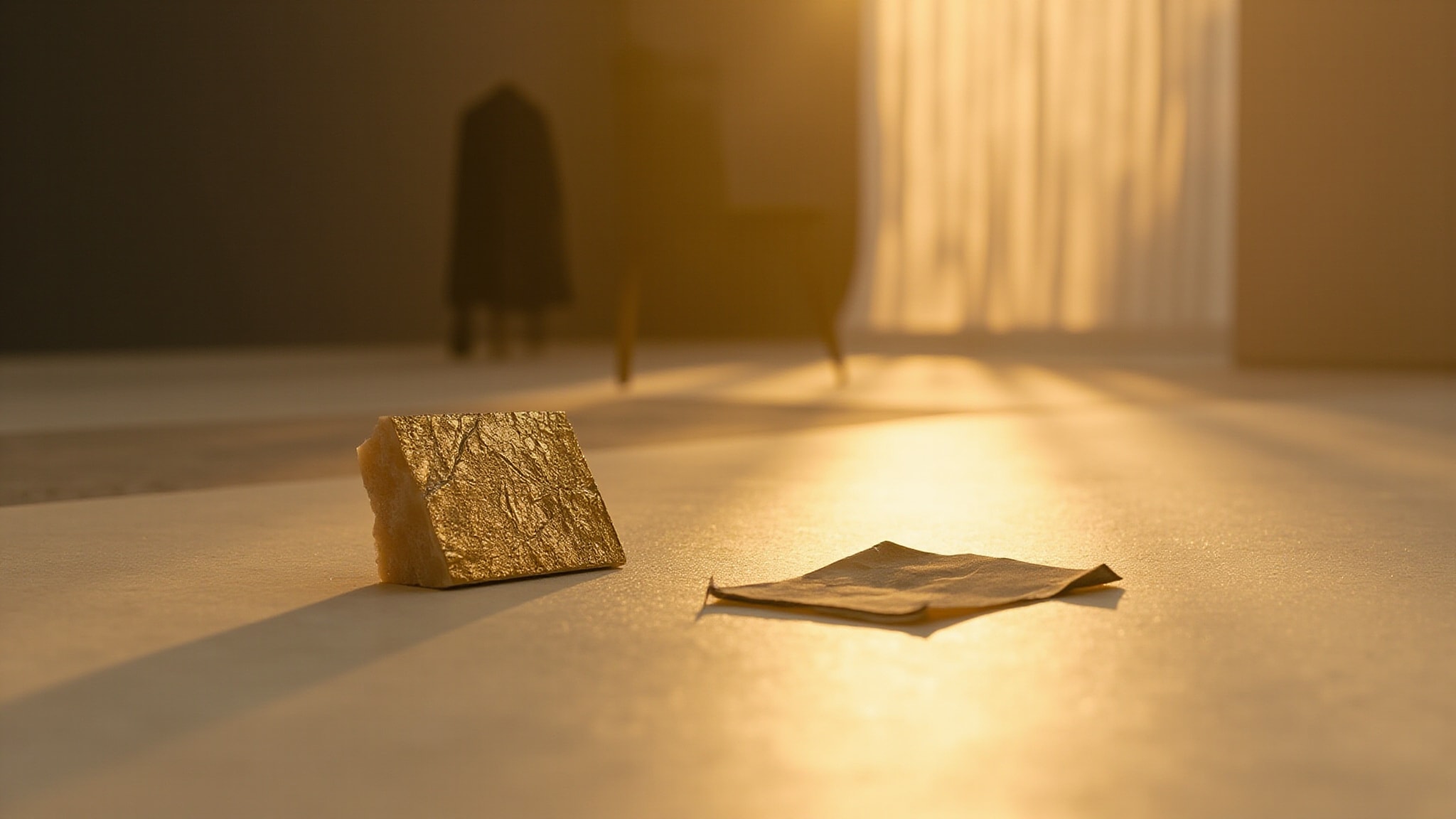
The first thing that arrives is citrus, but not the bright, easy citrus of summer colognes. The bergamot and bitter orange arrive with the nutmeg and cardamom already beneath them, the spices pushing back against the fruit. The clementine and Amalfi lemon add sweetness, but the cardamom keeps the opening from reading as simple. The first thirty minutes are the most challenging: bright, warm, slightly sharp. Then the florals begin to emerge. The Moroccan rose and jasmine arrive together, their sweetness tempered by the Egyptian geranium's slightly minty-green quality. The beeswax is the surprise here, not the harsh wax of a candle, but the warm, honeyed wax of an old painting. It wraps around the florals and does not let go. The carnation adds a clove-like spice that pushes the composition toward warmth without heat. This is the heart of the fragrance: a warm, resinous, slightly waxy floral that lasts for hours. By the third hour, the sandalwood and benzoin have begun to dominate.
Cultural impact
Cimabue occupies a specific position in the DSH catalog: the richest, most resinous, most openly opulent composition in the Italian Journey series. The series itself appeals to collectors who treat fragrance as study rather than trend, who approach each bottle the way a visual artist approaches a canvas. Within that audience, Cimabue has become known as the one for people who already own the others. Its combination of warm spices, beeswax, and resinous florals reads as both historical and contemporary, the materials are ancient (beeswax absolute, carnation absolute, labdanum), the structure is not.