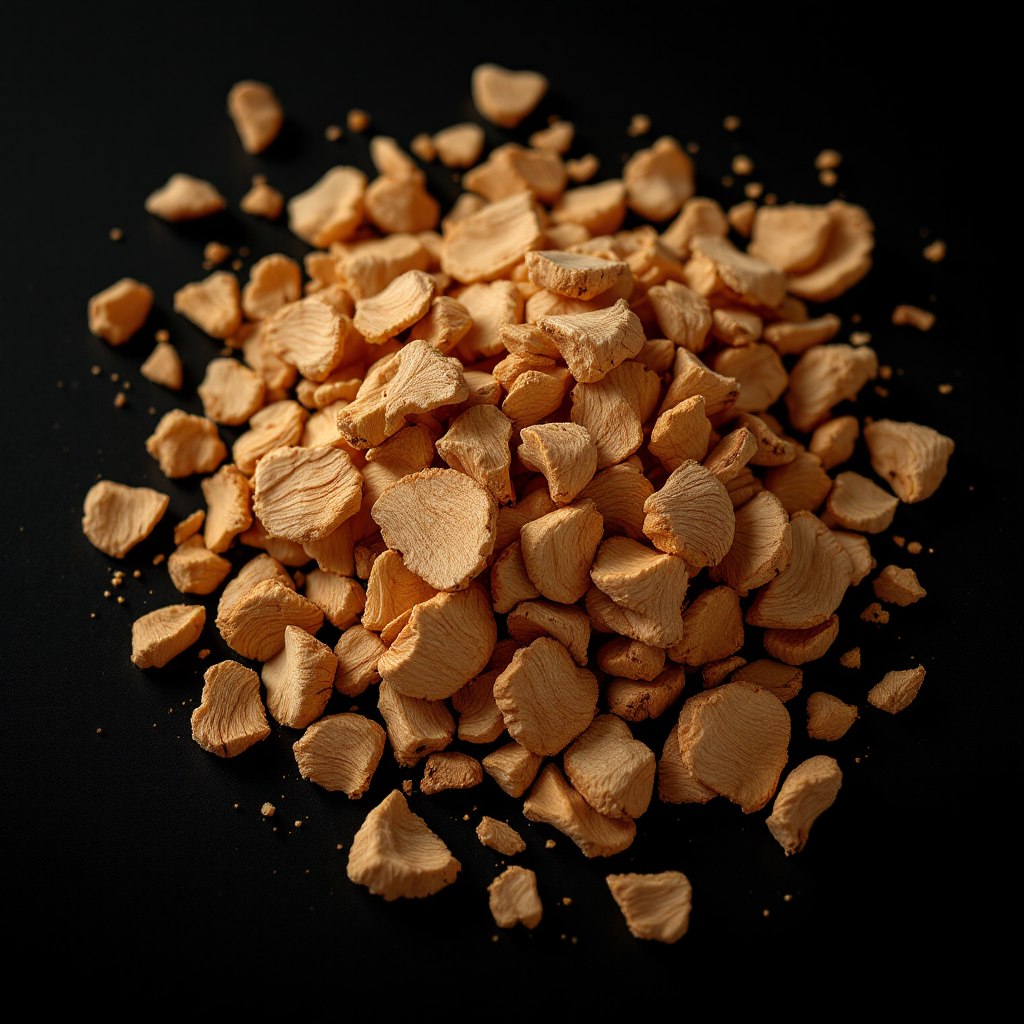
Tamil Nadu Sandalwood
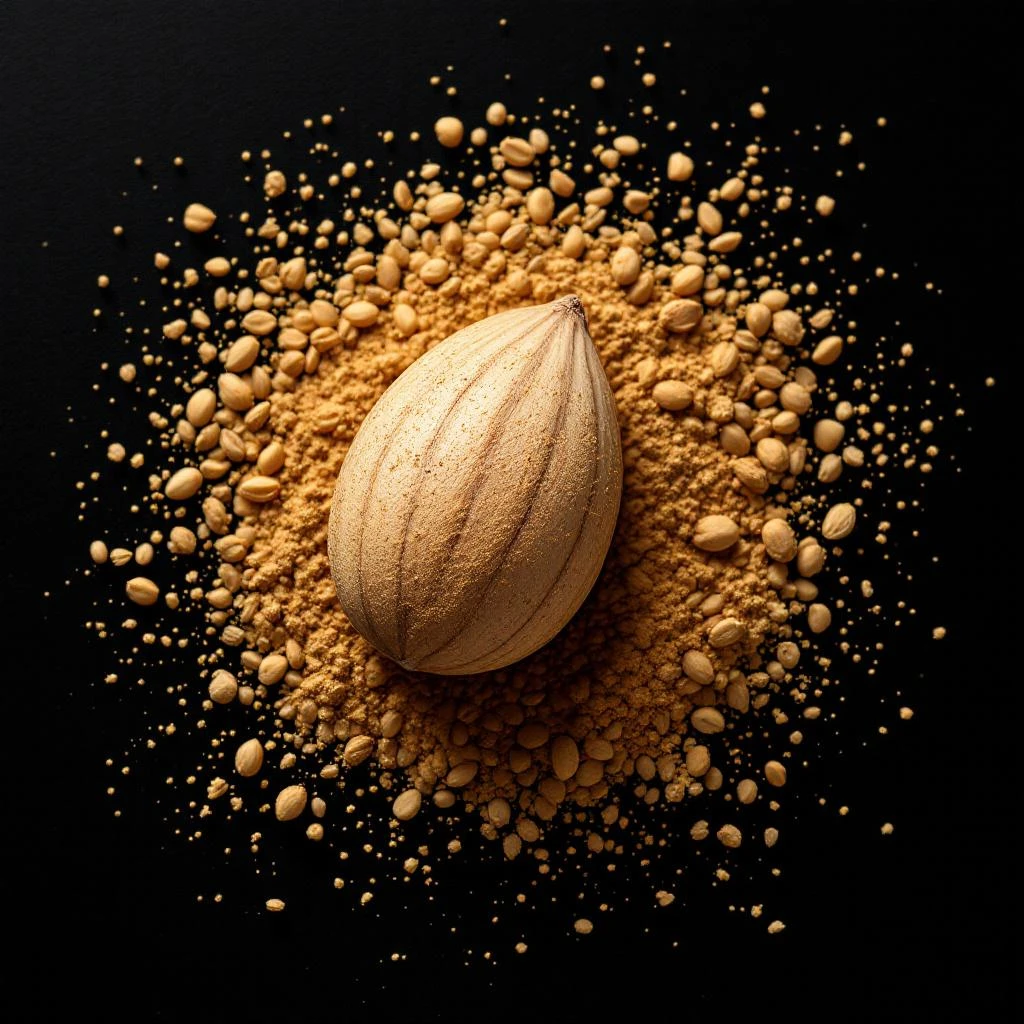
From the misty hills of Tamil Nadu, Santalum album yields one of perfumery's most coveted woods. Its creamy, milky warmth anchors compositions with a quiet intensity that has drawn cultures together for millennia.
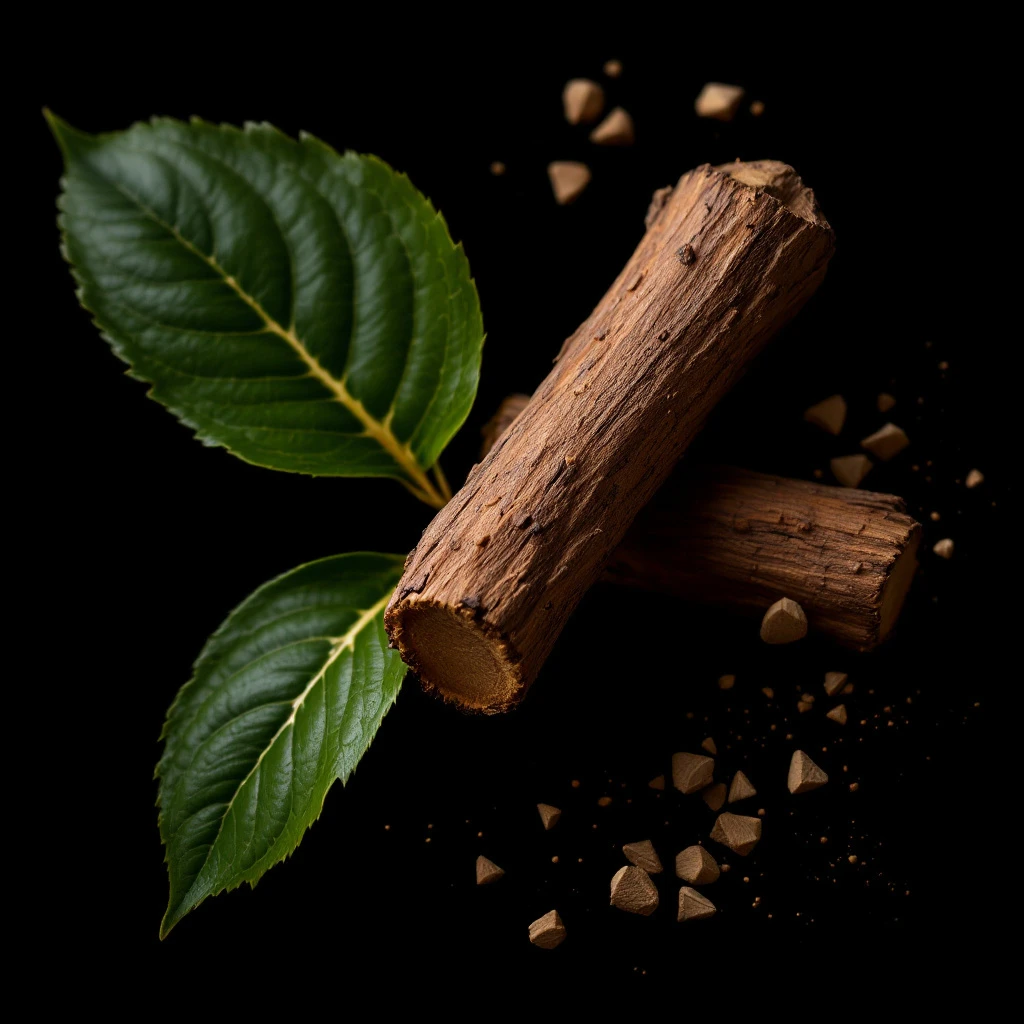
Character
How it smells
Ancient warmth, modern obsession
The word 'sandal' traces back to Tamil, though Western perfumery historically omitted its South Asian roots from bottles.



Origin
India
Indian sandalwood's perfume qualities first appeared in texts from what is now modern India, written as early as 700 BC. During this period, sandalwood held sacred status in Hindu traditions, burning in temples and accompanying the deceased. Ancient Arab perfumers discovered Tamil Nadu sandalwood and incorporated it into solid perfumes and incense mixtures. Egyptian embalmers used it for embalming, and across centuries, trade routes carried this precious commodity westward.
Despite 4,000 years of documented use in South Asia, Western luxury perfumery rarely credited its South Asian origins. Perfumers referenced 'sandal' without naming Tamil Nadu or acknowledging the word's roots. This changed slowly as traceability and origin transparency gained importance in the industry. Tamil Nadu and Karnataka remain primary regions for Santalum album cultivation today.
The trees grow wild and in managed plantations, their slow growth and parasitic nature making quality control essential. Each harvested tree represents decades of patience, a fact that grounds sandalwood's mystique in agricultural reality rather than marketing. The ingredient continues to anchor some of the world's most recognized fragrances, its history as layered as its scent.
Wears it best
Fragrances featuring Tamil Nadu Sandalwood

Brands
Brands known for Tamil Nadu Sandalwood
Good to know
Questions, answered
The essentials on Tamil Nadu Sandalwood in perfumery: how it smells, where it comes from, and how it behaves on skin.
What does Tamil Nadu sandalwood smell like?
Blunt: it is the gold standard for soft, enveloping warmth. Creamy, milky sweetness with balsamic depth, hints of honey, and dry wood that lingers for hours on skin.
How long before Tamil Nadu sandalwood is harvested?
Blunt: patience defines every drop. Santalum album requires 15 to 30 years minimum before the heartwood develops sufficient oil content and aromatic complexity.
Why is sandalwood so expensive?
Blunt: it ranks among the most expensive woods globally. Slow growth, parasitic requirements, high demand, and regulated supplies drive prices, making ethical sourcing essential.
What extraction method produces sandalwood oil?
Blunt: water and heat unlock centuries of aromatic history. Steam distillation of heartwood chips remains the standard, though solvent and CO2 extraction also produce aromatic extracts.
Is Tamil Nadu sandalwood sustainable?
Blunt: not all sandalwood meets ethical standards. Overharvesting has endangered wild populations, so certified sustainable and plantation-grown sources protect both supply and ecosystems.
What role does sandalwood play in perfumery?
Blunt: it holds compositions together. As fixative and base note, Tamil Nadu sandalwood extends fragrance longevity and smooths sharper top and heart notes into unified blends.
What cultures used sandalwood historically?
Blunt: four millennia of devotion. From Hindu temples to Arab solid perfumes to Egyptian embalming, sandalwood has shaped spiritual and luxury traditions across Asia and the Middle East.
What distinguishes Indian sandalwood from other origins?
Blunt: Tamil Nadu carries centuries of documented heritage. Santalum album from this region produces the classic creamy-milky profile, different from Australian or New Caledonian varieties which tend toward sharper, greener tones.