The Story
Why it exists.
The beginning
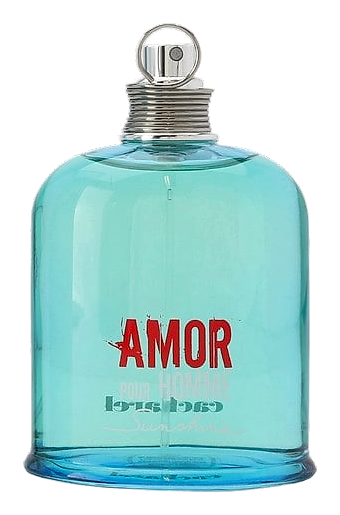
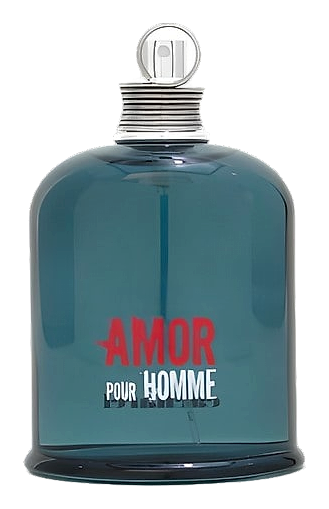
Amor pour Homme arrived in 2006 with a name that requires no translation. Amor. Love, in the original language, undressed of metaphor. Sophie Labbé and Pierre Wargnye built the composition around a simple conviction: when a man wears rose, it carries a different kind of weight. Not borrowed. Claimed. The name says it plainly, and the juice follows the brief. Cacharel has built its fragrance portfolio on pieces that wear their intent without apology, and this 2006 release stays in that lane. It's a scent for a man in love and not trying to pretend otherwise, composed by two perfumers who understood that vulnerability reads as confidence when the materials are right. The opening carries a quiet luminosity, bergamot and mandarin catching light before the deeper registers take hold.
The unusual move here is structural. Cacharel placed rose in the heart, not the top. Bergamot, mandarin, and tea open the door, but they don't linger. Once they step aside, the rose arrives wearing cardamom and spice, grounded by accents that keep it from drifting into something too pretty. The base matters: Brazilian rosewood, vetiver, tonka, benzoin. That's a quartet built for warmth with backbone, not sweetness without architecture. The perfumers built a composition where each layer has a job to do. The top notes introduce the wearer to the scent's softer side, brief and bright.
The evolution
The first ten minutes are the lightest this fragrance ever gets. Bergamot and Sicilian mandarin sparkle briefly, lifted by something almost transparent. Then the tea arrives, and the whole composition shifts register, less citrus, more contemplation. Rose enters around the 20-minute mark, soft at first, then fuller as the cardamom heats up underneath it. The spices don't burn. They glow, like a radiator in a room nobody's left yet. By hour two, the base has taken over: benzoin's resinous warmth, tonka's almond-tinged sweetness, vetiver's dry green shadow. Brazilian rosewood runs underneath all of it, adding a faint rosy-woody hum that ties the opening rose back to its foundation. Parfumo's community rates its longevity at a modest 6.2 out of 10, placing it in moderate territory rather than beast-mode performance, and that assessment tracks with how the fragrance actually wears.
Cultural impact
Amor pour Homme shares its name with Cacharel's Amor Amor, and it carries a similar emotional register without the sweetness. It found its audience among men who wanted something warm and distinctive but not aggressive: a scent that earns compliments from people close enough to notice. The discontinued status has only deepened its appeal among collectors who prize compositions from that particular moment. Amor pour Homme occupies a specific niche in men's fragrance: warm, rose-led, built on spice and resin rather than the citrus or aquatic structures that dominated the early 2000s.