The Story
Why it exists.
The beginning
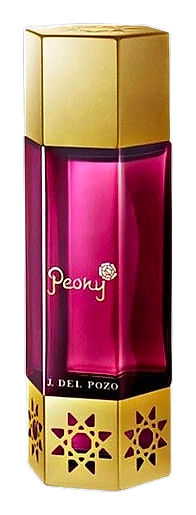
Desert Flowers arrived in 2013 as part of an ongoing exploration within the Jesús del Pozo fragrance line, one that kept returning to the tension between softness and structure. Peony, with its reputation for delicate femininity, was an unexpected choice for a house built on architectural confidence. But that was the point. The brief wasn't to make peony smell pretty. It was to make it matter.
Dates added sweetness that wasn't fruit, it was deeper, almost caramelized, like the memory of sweetness rather than the thing itself. Labdanum brought the shift that made everything click: a resinous, slightly leathery warmth that pulled the composition away from bridal and toward something with opinion. The result is a floral-oriental that behaves like it has somewhere to be.
The evolution
The opening is quick and bright. Bergamot, mandarin, a flicker of spice. Thirty seconds and it's already moving. The peony arrives in force, but it doesn't arrive alone, dates lend it weight, labdanum shifts the register from garden to something older. There's a brief moment, maybe two hours in, where the composition feels like two fragrances at once: the soft exhale of peony and the warm murmur of myrrh beneath. Then the resins take over. Patchouli and benzoin settle into the skin. Vetiver lingers. On fabric, this one doesn't let go. Eight to ten hours is the range, though certain skin types push toward more. The next morning, what's left isn't floral anymore, it's the myrrh and benzoin, close and warm, like something that stayed.
Cultural impact
Desert Flowers Peony occupies a specific space: oriental warmth without the visual weight of typical amber fragrances. The peony-dates pairing is unusual enough that wearers remember it. Community reception leans warm, strong longevity, distinctive character, and the kind of composition that doesn't apologize for itself. It's not trying to please everyone. That, perhaps, is the Jesús del Pozo inheritance.