The Story
Why it exists.
The beginning
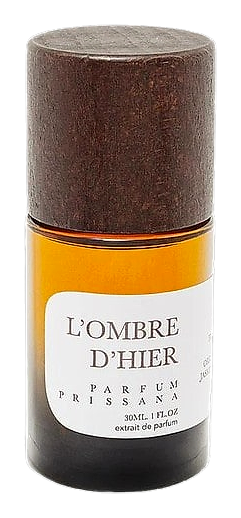
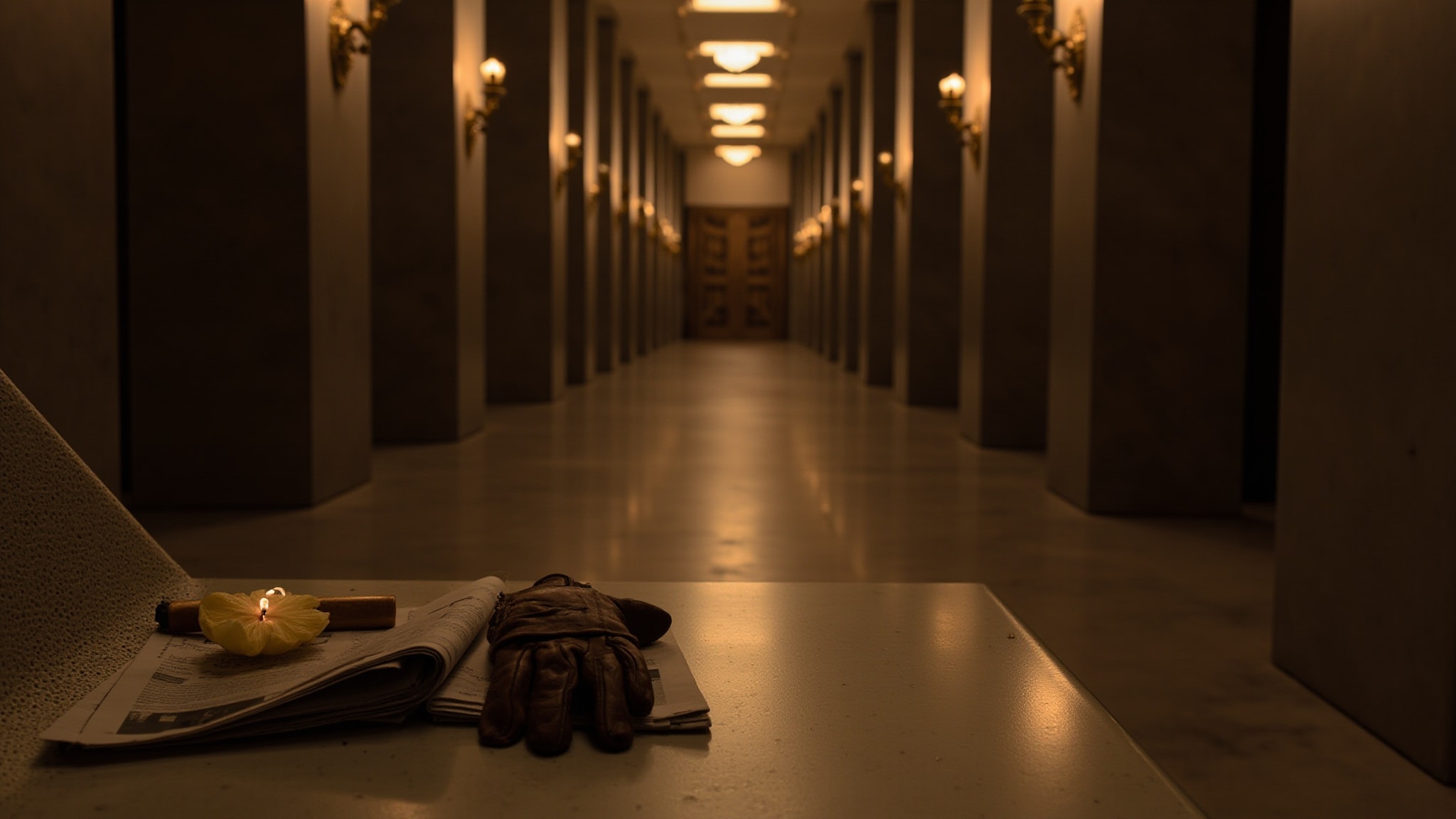
L'ombre d'hier translates from French as "the shadow of yesterday," and the name isn't decoration. Prin Lomros built the 2026 extrait as an olfactory response to Alain Resnais's 1961 film L'Année Dernière à Marienbad, where memory, architecture, and desire blur into something that refuses to settle. The film moves through baroque hotel corridors, gardens, and whispered repetitions that never quite confirm themselves. Lomros translated that tension into composition: bright aldehydes that glitter and recede, a dense animalic interior, a structure that loops back on itself. On skin the aldehydes open with a sharp, almost metallic sparkle, quickly warming as the civet and resinous base materials rise underneath.
The unusual move here is the aldehyde-civet axis. Aldehydes usually anchor vintage florals or soapy abstracts. Pairing them with civet, cumin, and frankincense pushes the aldehyde into unfamiliar territory, more the cold marble corridor of a hotel where time has stopped agreeing with itself. The champaca and jasmine absolute provide a tropical floral undertow that keeps the composition from collapsing into pure chypre shadow, while orris concrete gives the heart a powdery, rooty gravity. It's a deliberate collision of high-perfumery tradition with something feral underneath.
The evolution
The aldehydes arrive first, almost aggressive in their brightness, carrying bergamot and a green herbal snap from basil and coriander. Within 20 minutes, the civet and cumin surface, pulling the composition into a warmer, more animalic register. The heart phase is where the film reference lives: champaca and jasmine absolute against orris concrete, leather arriving underneath, frankincense threading through like smoke caught in a column of light. Carnation and clove add a spicy, slightly bruised floral quality. As the hours pass, the aldehydes fully recede. What's left is a dense, earthy base of patchouli, vetiver, and orris concrete, with leather and civet still holding. The drydown is quieter, closer to skin, and lasts well into the next morning on fabric.
Cultural impact
Wearers tend to describe L'ombre d'hier in cinematic language, reaching for words like corridor, echo, and reverie when they write about how it moves on skin. That vocabulary is both the source of its appeal and the reason it asks something of the person wearing it: this is a composition that rewards patience and attention, rewarding close listening rather than casual glancing. It pulls toward chypre territory through its civet and patchouli backbone, while the aldehydes give the opening a colder, almost architectural gleam.
The House
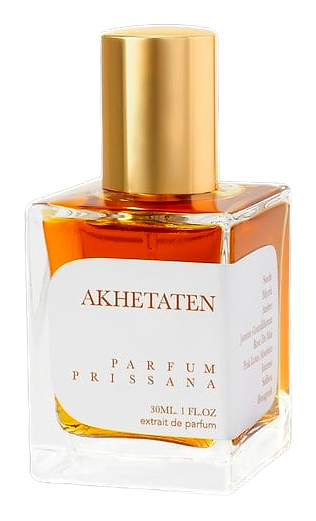
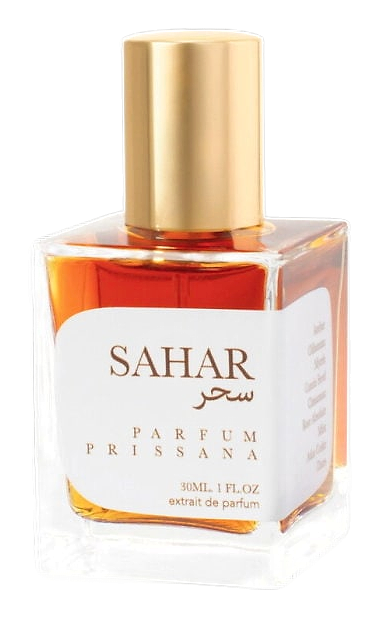
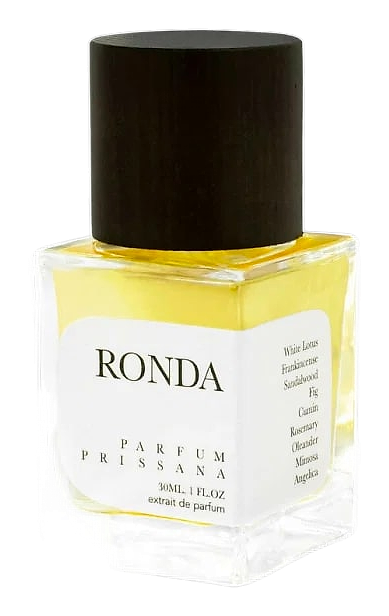
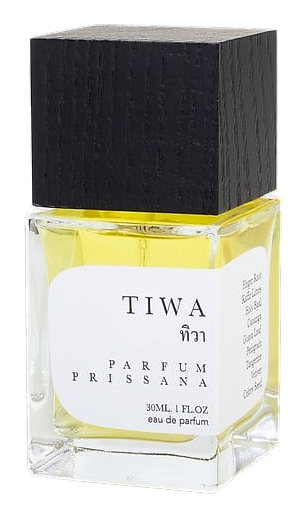
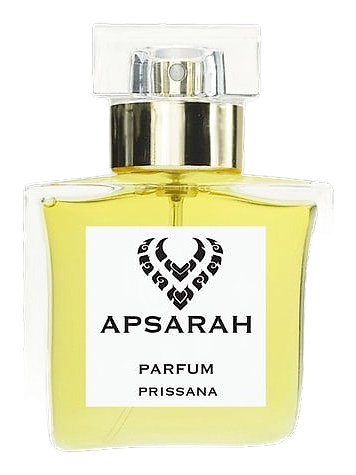
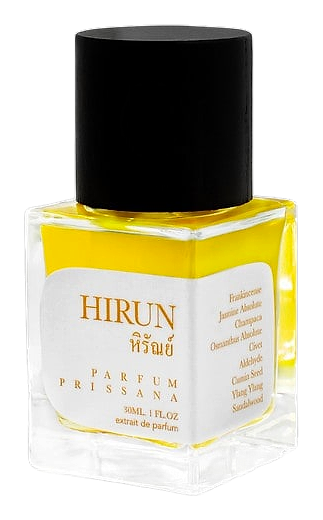
PrissanaParfums Prissana emerged in 2018 as a niche house that blends Mediterranean lineage with contemporary storytelling. The brand offers a compact catalogue of single‑note or concept‑driven scents, each anchored by a clear narrative. From the desert‑inspired Akhetaten (2023) to the forest‑rich Hirun (2024), Prissana invites collectors to explore places and memories through scent. The line balances bold compositions with restrained packaging, positioning the house as a quiet but confident voice in modern perfumery.
The Creator
Prin LomrosLomros favors a minimalist palette that highlights contrast. He often pairs bright, bitter black tea notes with deep, earthy bases, creating a bridge between light and shadow.